Indonesia isn't backing down. After years of quiet tension, regulatory slowdowns, and aggressive pressure from Beijing, Jakarta has quietly greenlit work on its $3 billion Tuna Block gas field in the North Natuna Sea.
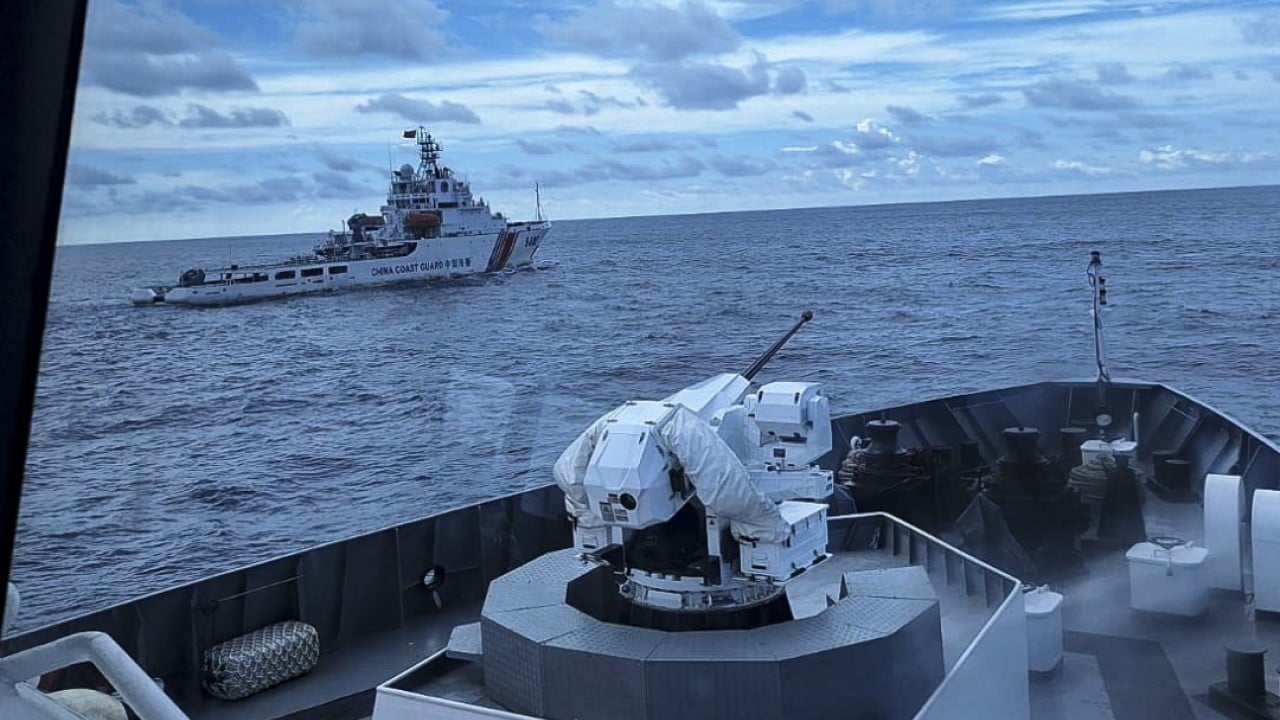
If you've been following South China Sea dynamics, you know this area is a flashpoint. Back in 2021, China sent warships, coast guard vessels, and research ships to intimidate Indonesian drilling rigs in this exact patch of water. Beijing claimed the area belonged to China under its sweeping nine-dash line map. Indonesia rejected those claims entirely, standing on international maritime law.
Now, the project is moving again. Indonesian firm Prime Group has taken over operatorship after acquiring British company Harbour Energy's 50% stake in the Production Sharing Contract (PSC) for $215 million. With Russian state energy firm Zarubezhneft remaining on board as the joint venture partner, Jakarta is signaling that its maritime sovereignty isn't up for negotiation.
Here's why this restart matters so much, how western sanctions created an unexpected domestic takeover, and what this means for energy power plays in Southeast Asia.
What Beijing Tried to Stop in the North Natuna Sea
To understand why this restart is a big deal, you have to look at what happened in 2021.
When Harbour Energy (then Premier Oil) began exploratory drilling in the Tuna Block, Beijing didn't just issue routine diplomatic notes. Chinese coast guard vessels started patrolling dangerously close to the Indonesian rigs. Soon after, China sent its survey vessel, the Haiyang Dizhi 10, to conduct unauthorized mapping right inside Indonesia's Exclusive Economic Zone (EEZ).
Beijing sent an unprecedented letter to Jakarta demanding that Indonesia cease all drilling in the area. China argued that the field fell within its historical territorial claims.
Jakarta's response was simple and firm. Under the 1982 United Nations Convention on the Law of the Sea (UNCLOS), the North Natuna Sea belongs exclusively to Indonesia's EEZ. An international tribunal in 2016 had already ruled China's nine-dash line completely illegal. Indonesia isn't even a official claimant in the broader South China Sea dispute, yet Beijing was trying to swallow a piece of Indonesian territory anyway.
Indonesia refused to halt exploration back then, but the political heat combined with Western sanctions on Moscow later slowed progress to a crawl.
How Western Sanctions Reshaped the Deal
For a while, it looked like the project might stay stuck in limbo forever.
The original arrangement paired Britain's Harbour Energy with Russia's Zarubezhneft. When Russia invaded Ukraine in 2022, western financial sanctions kicked in. Harbour Energy found itself in a tough spot. Working directly alongside a Russian state-backed enterprise meant risking massive regulatory penalties from Western authorities.
Harbour couldn't easily finance its share or import specialized equipment with a Russian partner attached to the contract. The project hit a wall.
That was until local industry stepped in. In late 2025, Harbour Energy agreed to sell its operated interests in Natuna Sea Block A and the Tuna Block to Indonesia's Prime Group for $215 million. The deal officially closed in mid-2026.
By passing the torch to Prime Group, the operational headache disappeared. An Indonesian company doesn't face the same Western sanction barriers when co-operating with a Russian firm inside Indonesian waters. Prime Group confirmed that activities under the Tuna PSC have fully resumed under local regulatory oversight.
It's a classic example of how global sanctions hit unexpected collateral targets, only for local actors to find a workaround.
The Awkward Position for Beijing and Moscow
This restart creates a messy situation for China.
Over the past few years, Beijing and Moscow have boasted about their "no-limits" partnership. They run joint naval exercises and trade heavily. Yet in the North Natuna Sea, their commercial and strategic interests run directly into each other.
Zarubezhneft is a Russian government-owned enterprise. The gas extracted from the Tuna field isn't just meant for domestic Indonesian consumption—a significant portion is slated to be piped across maritime boundaries directly to Vietnam, another country with deep strategic friction against Beijing.
Think about the position this puts China in.
If Beijing sends its coast guard to harass drilling platforms or survey ships in the Tuna Block now, it isn't just threatening an Indonesian asset. It's actively disrupting a major state-backed project run by Russia, one of its primary global allies.
Will Chinese coast guard ships attempt the same aggressive maneuvers against Zarubezhneft and Prime Group that they used against Harbour Energy in 2021? Doing so risks straining Beijing's relations with Moscow. Standing down, on the other hand, signals to every nation in Southeast Asia that China's nine-dash line claims bend when Russian money is on the line.
President Prabowo's Strategic Balance
When Prabowo Subianto took office as Indonesia's president, critics worried he might take a softer stance on Beijing. Shortly after taking office, Prabowo visited Beijing and signed a joint economic statement mentioning "joint development" in areas of overlapping claims.
That wording raised red flags among regional security analysts. Had Indonesia conceded ground on its EEZ? Was Jakarta quietly accepting Beijing's illegal claims in exchange for infrastructure investment?
The restart of the Tuna project gives us a clear answer: no.
By allowing an Indonesian company and its Russian partner to move forward without offering China a slice of the pie, Prabowo's administration is drawing a firm boundary. Indonesia is showing it can accept Chinese trade and investment on land while simultaneously defending its energy assets at sea.
Jakarta knows that energy security isn't something you trade away. With global supply chains unpredictable and regional energy demands climbing, getting natural gas out of the seabed is a national priority.
The Real Numbers Behind the Tuna Field
Why is everyone fighting over this specific patch of water? The numbers tell the story clearly.
The Tuna field holds an estimated 100 to 150 million barrels of oil equivalent in reserves. In natural gas terms, we're talking about massive deposits capable of producing over 100 million standard cubic feet per day once full commercial production hits.
Beyond the raw volume, geography is everything here.
The field lies just 14 kilometers from the maritime boundary with Vietnam. The original development plan involves building a dedicated submarine pipeline to deliver natural gas straight into Vietnam's energy grid.
For Vietnam, this imported gas offers a crucial buffer against its own power shortages. For Indonesia, it provides a stable export revenue stream in hard currency. For Beijing, a direct energy link between two ASEAN neighbors right through water China claims to own is a diplomatic nightmare.
Why ASEAN Is Watching Natuna Very Closely
The ripple effects of this move extend far beyond Jakarta and Beijing. Every country in Southeast Asia is paying attention.
For years, ASEAN nations have tried to negotiate a regional "Code of Conduct" for the South China Sea. The negotiations have dragged on for more than two decades, routinely bogged down by disagreements over enforcement and legal weight. Foreign Minister Sugiono recently pushed for a completed agreement, stressing that a region governed by rules is stronger than one governed by raw power.
While diplomats talk in conference rooms, real facts are established on the water.
When the Philippines pushes back against Chinese intrusions at Second Thomas Shoal, or when Indonesia restarts resource extraction in the Natuna Sea, it sets a physical precedent. It demonstrates that Southeast Asian states don't need Beijing's permission to develop their own natural resources within their lawful economic zones.
If Prime Group and Zarubezhneft successfully install platforms and start pumping gas without major Chinese interference, expect other nations like Malaysia and Vietnam to double down on their own offshore energy projects.
Practical Takeaways and What to Track Next
The restart of the Tuna Block project isn't just a routine energy update—it's a critical stress test for South China Sea politics. Here are the key indicators you should watch over the coming months to see how this plays out:
- Coast Guard Activity in Block A and Tuna: Keep an eye on vessel tracking data around the North Natuna Sea. Look for whether China's Coast Guard ships or research vessels like the Haiyang Dizhi series return to contest the area, or if Beijing chooses to maintain a low profile.
- Pipeline Construction Announcements: Track the regulatory approvals between Indonesia and Vietnam regarding the inter-country gas pipeline. Formal agreements will signal that both nations are moving from exploration into long-term infrastructure binding.
- Russian Diplomatic Signals: Watch how Moscow responds if Beijing tries to apply pressure. Any official statements from Russia's Foreign Ministry regarding resource rights in the EEZ will reveal how deep the Russia-China alignment actually goes when commercial interests collide.
- ASEAN Code of Conduct Timelines: Watch whether Jakarta uses its leverage from this project to force firmer language into the draft Code of Conduct before year-end deadlines.
Indonesia showed that standing your ground doesn't always require loud military posturing. Sometimes, it just takes passing the operational reins to local firms, keeping your strategic partners close, and turning the drills back on.


