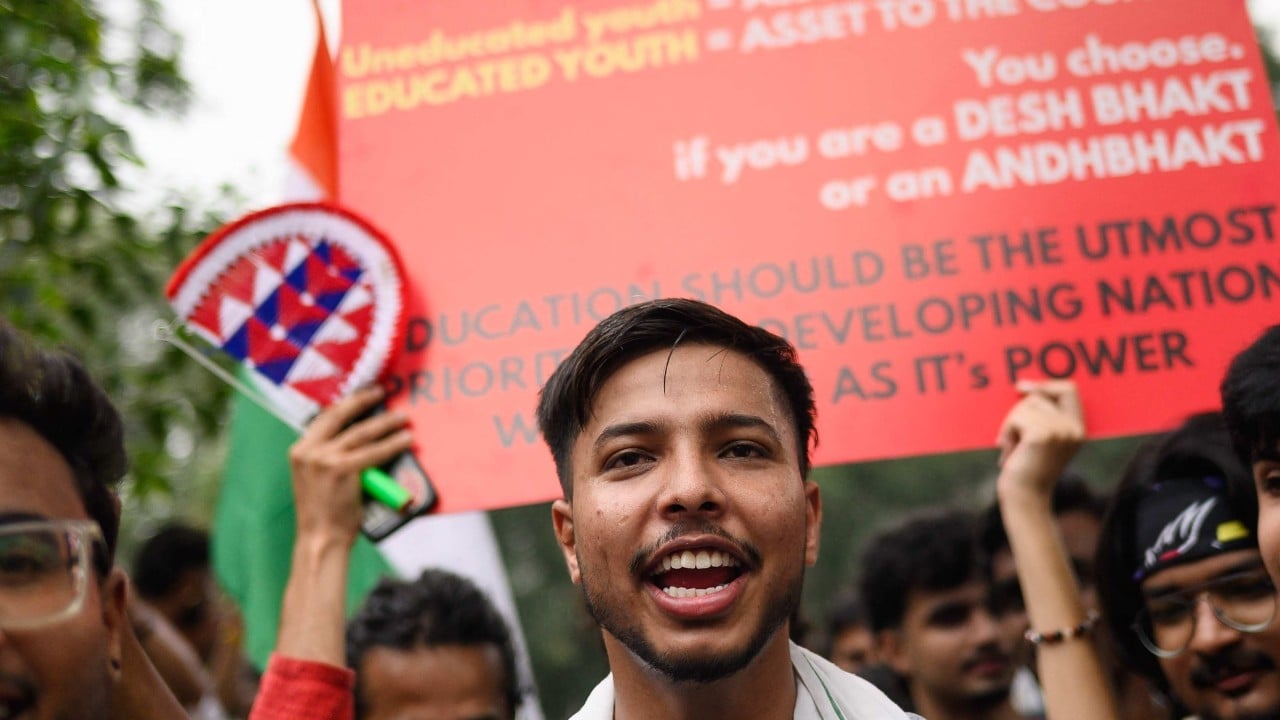
Thousands of young protesters tried marching on India's Parliament on July 20, 2026, only to meet barricades, tear gas, and police batons. They call themselves "cockroaches." They aren't an underground gang or a fringe radical group. They're Gen Z students, job seekers, and young professionals who turned an insult from the highest court in the land into one of the biggest youth political movements the country has seen in decades.
If you've been following headline news, you've probably seen images of young people holding banners with drawn insects while facing off against Delhi Police near Jantar Mantar. But this isn't just about a street scuffle outside Parliament. It's the boiling point of years of frustration over leaked entrance exams, cancelled recruitment tests, and a broken system that leaves millions of educated youth stranded.
How a Judicial Insult Turned Into a Political Force
The movement began back in May 2026 during a court hearing. Supreme Court Chief Justice Surya Kant made a dismissive comment comparing unemployed young job-seekers to "cockroaches."
Instead of sulking, Indian youth did what Gen Z does best. They took the insult, flipped it on its head, and turned it into satire.
Within days, social media accounts for the newly named "Cockroach Janta Party" exploded. The Instagram handle alone crossed 20 million followers almost overnight. What started as memes, viral videos, and self-deprecating jokes quickly transformed into real-world mobilization. The logic behind the name was simple enough: cockroaches are impossible to crush, they survive everything, and they multiply fast when you try to sweep them under the rug.
By June, the online satire turned into physical ground protests. Young people started pitching tents at Delhi's Jantar Mantar, setting up an open-air resistance camp.
The Real Issue Behind the Anger
You can't understand why thousands of young people are willing to face tear gas without looking at what happened to India's examination system over the last few years.
Every year, tens of millions of students sit for competitive entrance tests. These aren't minor classroom quizzes. Tests like the national medical entrance exam and national recruitment exams determine whether a young person from a middle-class or working-class family gets a shot at a secure career. Families spend their entire life savings on coaching institutes, textbooks, and hostel fees just to give their children a chance.
Then the leaks started happening over and over again.
- Repeated paper leaks: Solved question papers ended up on messaging apps hours before exams began.
- Technical failures: Server crashes, sudden centre cancellations, and biometric glitches ruined testing sessions for hundreds of thousands of candidates.
- Delayed results and cancellations: Re-examinations were ordered month after month, dragging hiring processes out for years and leaving applicants in financial ruin.
When young people realized that studying 14 hours a day meant nothing if someone else bought the answer key for a few thousand rupees, the frustration boiled over.
Hunger Strikes and Street Clashes Outside Parliament
The situation escalated dramatically when 59-year-old climate activist and educator Sonam Wangchuk joined the protest camp. Wangchuk launched an indefinite hunger strike at Jantar Mantar to support the students, lasting over three weeks under the open sky.
By mid-July, Wangchuk's health deteriorated severely, prompting police to forcibly transport him to a hospital. That move triggered widespread outrage among student groups across major Indian cities, including Mumbai, Patna, and Delhi.
On July 20, as Parliament opened its new session, the Cockroach Janta Party called for a march directly to the gates of Parliament. Their core demands were direct:
- The immediate resignation of Education Minister Dharmendra Pradhan.
- A complete overhaul of test security protocols and national examination agencies.
- Financial compensation for families of students who died by suicide after exam cancellations.
Delhi Police put strict prohibitory orders in place, deployed heavy security forces, and shut down mobile internet in parts of central Delhi. When marchers pushed against security barricades, police charged with batons and fired tear gas to disperse the crowd. Officials insisted no excessive force was used and that they handled the situation professionally, but videos of injured students quickly flooded social media platforms.
The Government Strategy and Why It Failed
For two months, ministers tried two different approaches. First, Education Minister Dharmendra Pradhan dismissed the movement, accusing protesters of acting against national interests and politicizing education. Other ministers simply ignored the rallies, hoping the hot summer heat and social media fatigue would wear the movement down.
That strategy failed completely.
By late July, political opposition figures took up the movement's cause inside Parliament, disrupting legislative proceedings on day one of the session. The pressure got so high that representatives from the government finally broke silence. Health Minister J.P. Nadda held preliminary, behind-the-scenes meetings with CJP spokesperson Saurav Das.
It was the first sign that the administration realized this wasn't going away with a routine police disperse order.
What Needs to Happen Next
If you're a student, parent, or observer trying to figure out where this goes from here, pay attention to these concrete indicators in the coming weeks:
- Watch legislative action: See whether Parliament sets up an independent bipartisan commission to audit national test-conducting bodies instead of relying on internal reviews.
- Track formal negotiations: Check if official talks continue between ministry heads and youth representatives, or if initial outreach was just a stall tactic to clear the streets.
- Monitor exam security laws: True reform requires strict criminal penalties for organized paper-leak syndicates and coaching center collusions.
The Cockroach Janta Party proved that social media satire can convert directly into political weight. The government can clear barricades at Jantar Mantar, but until they fix the structural flaws in national entrance examinations, the anger on the streets will keep returning.