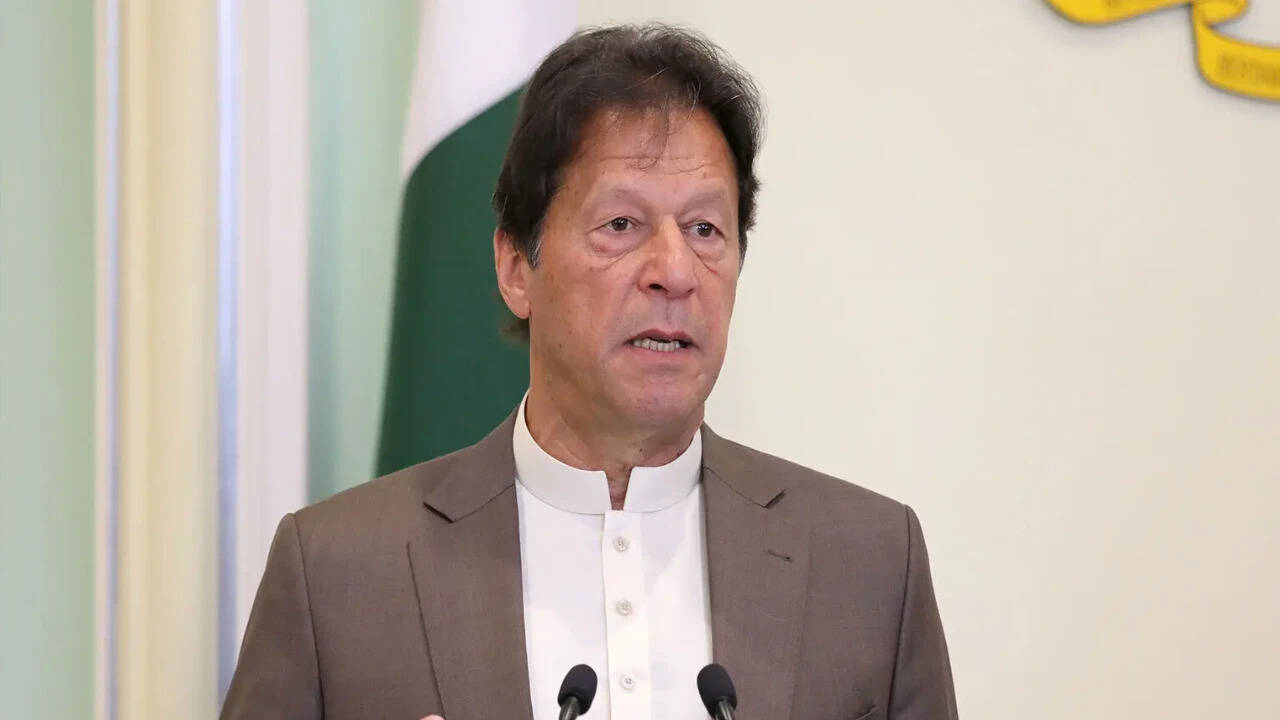
The recent transfer of former Pakistan Prime Minister Imran Khan from Adiala prison to a private hospital in Islamabad isn't just a routine medical visit. It’s a high-stakes standoff between the judiciary and the executive branch that signals something deep about the current state of Pakistan's political order.
When you see a top political prisoner shifted under a Supreme Court order, you aren't just looking at a health checkup. You're watching a tense battle over optics, authority, and the fundamental rights of incarcerated leaders.
Beyond the hospital walls
The move to Shifa International Hospital happened in the dead of night. This tells you everything you need to know about the sensitivity of the situation. Governments don't move high-profile prisoners after midnight because the process is simple; they do it to avoid public scrutiny, prevent mass gatherings of supporters, and keep the temperature down.
The Supreme Court’s involvement is the missing piece in the puzzle that many miss. By ordering the examination, the court essentially bypassed the typical bureaucratic stonewalling often used by prison authorities. This isn't just about a vision impairment or a general health check. It’s a direct intervention that forces the government to admit that the standard of care within the prison system was being questioned by the highest legal authority in the country.
The health optics game
Let’s be honest about the health claims. We’ve seen conflicting reports for months. His party, the Pakistan Tehreek-e-Insaf (PTI), has been consistent in flagging serious health issues, specifically regarding his vision. The government, on the other hand, has played a classic game of minimization.
When you have a government spokesperson claiming that vision improved by 70% while the family claims an 85% loss, you aren't dealing with medical facts anymore. You are dealing with political narrative control. This is a common tactic in high-stakes political detentions. Keep the leader physically isolated, control the medical information, and you effectively control the public’s perception of his "fitness" for continued incarceration.
Why this matters for the rule of law
The government’s attempt to seek "clarification" from the Supreme Court after the initial order was a clear stalling tactic. They wanted to know if this medical relief applied to other prisoners, too.
Why ask that? It’s a distraction. If the court says yes, it opens a floodgate of requests they aren't prepared to handle. If the court says no, it looks like preferential treatment for Khan. Either way, the executive branch was trying to shift the burden back to the judiciary. The fact that the court pushed forward with the original order shows that the judges were not in the mood for administrative delays.
The real test for the judiciary
You should look at this as a litmus test for the Pakistani judiciary. When the courts intervene in the treatment of a former prime minister, they are essentially signaling how much independence they actually possess. If Khan remains in the hospital for proper treatment as requested by his family, the court wins a round of credibility. If he is rushed back to a prison cell before he is stable, the public will see it as the judiciary folding under pressure.
What you need to watch next
Don't focus on the daily headlines about his health. Focus on the administrative follow-through. Here is how you can track if this is truly a shift in treatment or just a temporary maneuver:
- Duration of the stay. If he is sent back within 24 to 48 hours, it’s a performative gesture to satisfy a court order. If he stays long enough for a comprehensive medical board to complete their work, it signifies genuine, if forced, compliance.
- Access to personal physicians. The court ordered his personal physician, Faisal Sultan, to be part of the board. If that access is restricted or managed, then the "medical board" is just a cover for state-approved doctors.
- Government posture. Watch the language used by the Ministry of Parliamentary Affairs. If they continue to publicly doubt the severity of his illness, they are still trying to maintain their narrative, which suggests the detention will remain harsh regardless of medical findings.
This situation isn't ending with a hospital visit. It's a ongoing confrontation that tests whether legal mandates can actually break through the iron grip of prison administration. Stay focused on the details. The real story isn't in what is being said, but in who is actually getting access to the patient.
The outcome of this medical evaluation will define the next chapter of his political survival. Keep your eyes on the board, not the noise.