Something nasty is lurking on fresh summer produce. Over a thousand people across the Midwest just found out the hard way. A massive outbreak of a microscopic parasite has sent shockwaves through regional food supply chains, leaving hundreds hospitalized and thousands more running for the bathroom. The culprit is Cyclospora cayetanensis, a stubborn organism that infects the human intestine and causes relentless, watery, and often explosive diarrhea.
Michigan has become the undeniable epicenter of this health crisis. In a typical year, the state sees perhaps 50 isolated cases of cyclosporiasis. Right now, health departments are tracking an unprecedented explosion of infections. By the second week of July 2026, Michigan's case count skyrocketed past 1,200 confirmed infections, marking the largest outbreak in state history and one of the most severe public health spikes the United States has seen in decades. Neighbors are feeling the burn too. Northwest Ohio has logged over 500 cases, with Lucas County bearing the brunt of the border spillover.
This is not a simple 24-hour stomach bug. It does not just go away after a rough night. If you love fresh summer salads, raw herbs, or unpeeled berries, you need to understand what is happening right now. The rules of food safety just changed for the summer.
The Reality of the Midwest Outbreak
The numbers are alarming. Public health agencies first noticed a strange cluster of cases in southeastern Michigan in late June. Within days, a handful of infections turned into a flood. Dr. Natasha Bagdasarian, Michigan’s chief medical executive, confirmed that a highly synchronized, linked outbreak is actively tearing through communities.
The U.S. Centers for Disease Control and Prevention (CDC) is working alongside the Food and Drug Administration (FDA) to trace the origin. It is a massive game of biological detective work. Over 30 states have reported related illnesses, but the data lags behind reality. While official CDC trackers reported hundreds of confirmed cases nationally, independent infectious disease experts openly state that the federal numbers are a massive undercount.
Why is it spreading so fast? Summer is peak produce season. People eat raw fruits and vegetables daily. Barbecues, patio dinners, and salad bars are everywhere. This heat-loving parasite thrives in warm weather, making July the perfect storm for a foodborne disaster.
Why Finding the Source is a Public Health Nightmare
Public health officials face a massive hurdle. They do not know exactly which food item is carrying the parasite. In past national outbreaks, investigators eventually pinned the blame on fresh cilantro, Mexican basil, pre-packaged salad mixes, or imported raspberries. This time, the definitive smoking gun remains elusive.
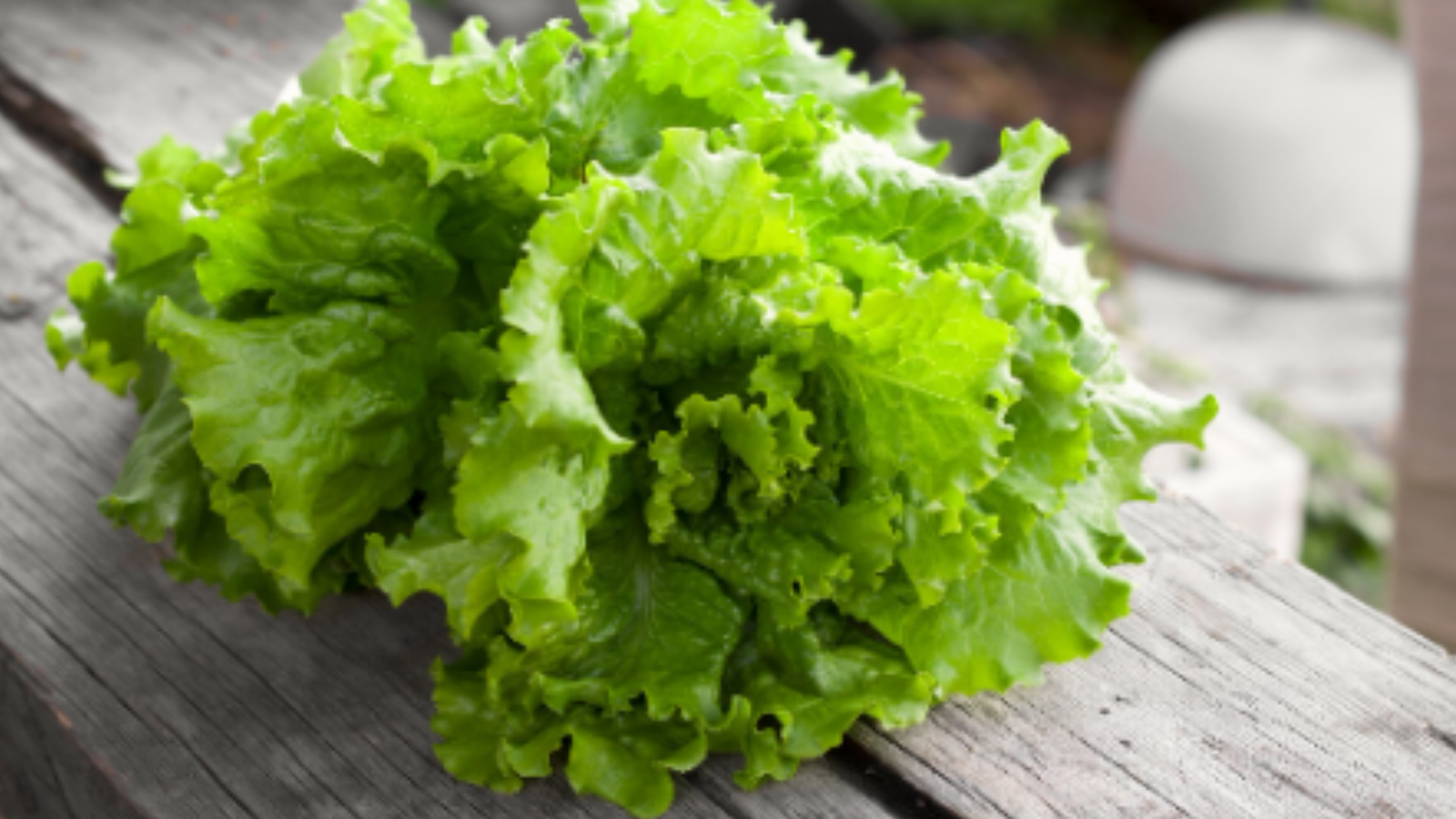
The lack of answers has caused immediate anxiety in the food service industry. Some Taco Bell franchisees in Michigan completely pulled shredded lettuce from their kitchens as a direct precaution. Meanwhile, other major fast-casual chains are quietly auditing their regional supply chains. The Michigan Department of Health and Human Services even issued urgent guidelines for commercial kitchens, advising extreme care when handling leafy greens, green onions, and fresh berries.
Tracing Cyclospora is notoriously difficult for several reasons.
First, people get sick long after they eat the contaminated food. The incubation period lasts anywhere from two days to two weeks. Try remembering every single ingredient you ate at a restaurant twelve days ago. It is almost impossible. By the time a patient tests positive, the contaminated batch of lettuce or herbs is long gone from grocery shelves and stomach contents.
Second, food distribution networks are incredibly complex. A single processing plant might wash, mix, and package greens from five different farms before shipping them to dozens of different grocery store chains and restaurant distributors. One contaminated batch spreads across an entire region within 48 hours.
The Hidden Testing Deficit
The official number of cases represents only a small fraction of the true total. The real scale of the outbreak is likely five to ten times larger than what is reported in the news.
Daniel Griffin, an infectious disease physician and president of the nonprofit Parasites Without Borders, pointed out that thousands of people are likely suffering without a proper diagnosis. When you get standard food poisoning, your doctor might order a routine stool culture. Those standard tests look for common bacterial invaders like Salmonella, E. coli, or Campylobacter. They completely miss parasites.
To find Cyclospora, a lab must run a specific molecular PCR test or a specialized gastrointestinal pathogen panel. Most clinics do not run these automatically. If your doctor does not explicitly suspect a parasite, they will not order the right test. You will be told you have a virus, sent home to rest, and your case will never register on the CDC radar.
To make matters worse, technicians cannot culture Cyclospora in a laboratory setting. You cannot grow it in a petri dish to study its strains the way you can with bacteria. Investigators must rely entirely on DNA sequencing from patient samples, which slows down the tracking process significantly.
The Biology of an Intestinal Attack
Cyclospora is a single-celled protozoan parasite. It is microscopic and spherical. It hitches a ride into the human body through the consumption of food or water contaminated with microscopic amounts of human feces. This usually happens on farms where irrigation water is compromised or where field workers lack access to proper sanitation facilities.
Once you swallow the parasite, it travels down to your small intestine. It bores into the lining of your gut and begins to replicate. This causes severe inflammation, disrupting your body's ability to absorb nutrients and water.
The resulting illness is called cyclosporiasis. The hallmark symptom is watery, voluminous diarrhea that hits with sudden, explosive force. It is accompanied by a nasty suite of secondary symptoms.
- Extreme abdominal cramping and sharp stomach pain
- Severe bloating, gas, and constant nausea
- A total loss of appetite followed by rapid weight loss
- Profound, crushing fatigue that leaves patients bedridden
- Low-grade fevers and muscle aches
The most deceptive aspect of cyclosporiasis is its cyclic nature. You might feel terrible for four days, then suddenly feel better. You think the worst is over. Then, 48 hours later, the explosive diarrhea returns with a vengeance. Without medical intervention, this grueling cycle of recovery and relapse can drag on for weeks, or even months. It strips the body of hydration and vital electrolytes. While it is rarely fatal, young children, pregnant women, and elderly individuals face a high risk of severe dehydration requiring hospitalization.
Why Your Kitchen Sink Won't Save You
Most people think a quick rinse under the tap makes their vegetables safe. For this parasite, that is wishful thinking.
Bobbi Pritt, a pathologist and clinical microbiologist at the Mayo Clinic, emphasizes that Cyclospora is incredibly sticky. The outer wall of the parasite allows it to cling tenaciously to the rough surfaces of leafy greens, the crevices of broccoli florets, and the tiny hairs on raspberries. Standard chemical sanitizers and chlorine washes used by industrial food processors often fail to kill it.
Washing your produce under running tap water is still recommended to remove loose dirt and reduce the viral load, but it does not guarantee safety. If a piece of romaine lettuce was irrigated with contaminated water, the parasite might be lodged deep within the folds of the plant.
The only definitive way to kill Cyclospora is through heat or freezing. Cooking your vegetables destroys the parasite completely. But nobody wants to eat boiled romaine lettuce or cooked Caesar salads during a hot July heatwave. That is what makes summer outbreaks so incredibly stubborn.
The Right Way to Get Diagnosed and Treated
If you live in the Midwest and have been battling watery diarrhea for more than three consecutive days, stop waiting for it to clear up on its own. You need to take action.
Schedule an appointment with your healthcare provider immediately. Do not just ask for a generic stool test. Be your own advocate. Explicitly tell your doctor about the current regional outbreak. Ask for a gastrointestinal PCR panel or an ova and parasites exam that specifically screens for Cyclospora.
If you test positive, do not reach for standard over-the-counter anti-diarrheal medications like loperamide. Those drugs slow down your bowel movements, which can trap the parasite and its toxins inside your intestinal tract longer than necessary.
Cyclosporiasis requires specific antibiotic therapy. Unlike many viral or bacterial stomach bugs that you just have to ride out, this parasite responds exceptionally well to a targeted medication. The standard treatment is a course of trimethoprim-sulfamethoxazole, commonly known by the brand names Bactrim or Septra. A typical seven-day course clears the infection up quickly.
If you have a known allergy to sulfa drugs, be sure to inform your physician right away. Alternative treatments, such as ciprofloxacin or nitazoxanide, can be used, though they are sometimes less effective and require careful monitoring by an infectious disease expert.
Immediate Steps for Food Safety
You do not have to starve, but you do need to alter your eating habits until public health agencies isolate the contaminated source. Take these steps right now to protect your household.
Cook your greens when possible. Swap out raw salads for sauteed spinach, roasted kale, or grilled vegetables.
Avoid high-risk raw items at restaurants. Until the FDA names the specific source, skip raw cilantro, raw basil, and raw garnishes when dining out. If you order a sandwich or a burger, ask the kitchen to hold the lettuce and raw onions.
Buy whole heads of produce instead of pre-washed bags. Pre-packaged salad mixes combine greens from multiple fields, increasing the statistical odds of cross-contamination. Buy whole heads of lettuce, discard the outer layers entirely, and wash the inner leaves thoroughly under heavy running water.
Scrub firm fruits. Use a clean vegetable brush on melons, cucumbers, and avocados before cutting into them. This prevents your knife from transferring parasites from the skin directly into the flesh of the fruit.
Sanitize your kitchen surfaces. Wash your cutting boards, knives, and countertops with hot, soapy water after preparing raw produce. Keep raw vegetables completely separated from cooked foods to prevent accidental cross-contamination.
Stay hydrated with safe liquids. If you or someone in your home shows symptoms, prioritize electrolyte solutions, broths, and clean water. Avoid sugary sports drinks or sodas, which can actually worsen diarrhea by drawing more water into the bowel. Keep a detailed log of everything eaten over the past two weeks to hand over to public health investigators if a diagnosis is confirmed.