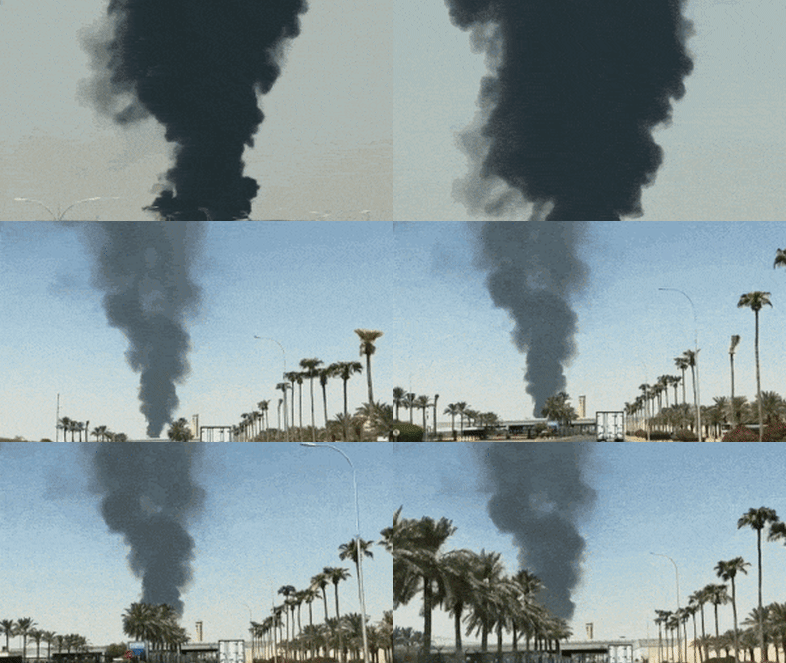
Thick black smoke rising near a major international airport changes everything. When explosions and sirens shatter the quiet of a capital city, the illusion of safety vanishes overnight.
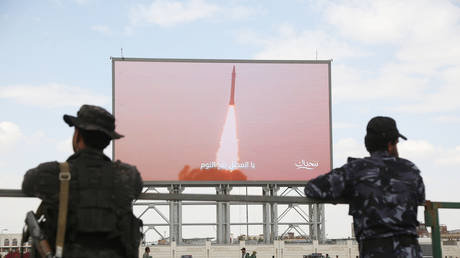
Yemen’s Houthi movement just claimed a direct missile and drone strike targeting sensitive sites in Riyadh, sending shockwaves across the Gulf. If you thought the regional war was confined to maritime skirmishes or distant border skirmishes, think again. The front lines have shifted directly to the heart of Saudi Arabia.
What Actually Happened Near Riyadh Airport
Early Saturday morning, residents near King Khalid International Airport watched towering plumes of dark smoke billow into the sky. Video footage quickly circulated online, showing flames leaping from areas adjacent to fuel storage and transport hubs.
The Saudi-led military coalition insisted its air defences intercepted an incoming missile aimed at the capital. Yet the visual evidence of fire and heavy smoke near critical aviation and fuel infrastructure tells a much messier story. It proves that air defense shields aren't foolproof. When dozens of cheap drones and ballistic missiles keep coming, some will inevitably breach the perimeter.
The Houthis didn't stop at the capital. They also hit an Aramco facility in Yanbu on the Red Sea coast, targeting energy assets that power the global economy.
The Real Strategy Behind the Escalation
Why now? Why push this escalation into high gear?
The timing is far from random. The conflict between the Houthis and Saudi Arabia has morphed into a dangerous new theater running parallel to the broader US-Iran confrontation that flared up earlier this year. The Houthis declared a strict naval blockade back in July, turning the Red Sea into a zone of high risk. Now, they're bringing that pressure straight to Riyadh's doorstep in retaliation for strikes on Sanaa.
President Donald Trump has repeatedly rebuffed Saudi pleas for direct American military intervention against the group. Washington wants to avoid getting bogged down in another quagmire. That leaves Riyadh to fend for itself, opening the door for external regional powers to step in with alternative security arrangements.
Look at Turkey's recent moves. Turkish Foreign Minister Hakan Fidan recently noted that Ankara is ready to provide technical and military assistance to Saudi Arabia under a trilateral defense pact that also includes Pakistan. Under this pact, an attack on one is treated as an attack on all. When NATO-adjacent military muscle starts aligning directly with Gulf states to counter Houthi drones, the geopolitical map redraws itself in real time.
Global Energy Markets Are Nervously Watching
Energy security remains the ultimate wildcard here. The Strait of Hormuz has faced blockades and ongoing threats, forcing Gulf exporters to rely heavily on alternative routes like the East-West Pipeline and Red Sea terminals.
When those alternative routes get hit, oil prices jump. Insurance rates for shipping spike. Tanker operators start asking hard questions about whether cargo movement through these waters is worth the risk.
Mohsen Rezaei, secretary of Iran’s Supreme National Security Council, stated that Tehran wants an end to the fighting between Saudi Arabia and the Houthis, hinting at ongoing back-channel talks through Qatari and Pakistani mediators. But words from Tehran rarely match actions on the ground. As long as regional proxies keep launching sophisticated ordnance at civilian airports and oil refineries, diplomatic posturing won't stop the fires from burning.
How to Protect Your Strategy Moving Forward
If you are tracking international logistics, energy investments, or geopolitical risk, you need to adjust your assumptions immediately.
- Expect volatile energy markets: Any disruption to Saudi infrastructure sends immediate ripples through global crude benchmarks. Do not assume supply chains will bounce back instantly.
- Factor in insurance and transit spikes: Maritime operations through the Red Sea and surrounding waterways face elevated threat levels. Route diversions and security surcharges are becoming standard operating procedure.
- Monitor multi-lateral pacts: Keep a close eye on how Turkish and Pakistani military integration evolves within Saudi Arabia. Traditional security guarantees from Western powers are no longer the only game in town.
The smoke over Riyadh is a stark warning. The rules of regional engagement have rewritten themselves, and pretending things will return to normal is a dangerous gamble.


/268075-003-58b9ddfa5f9b58af5cb9f9ac.jpg)