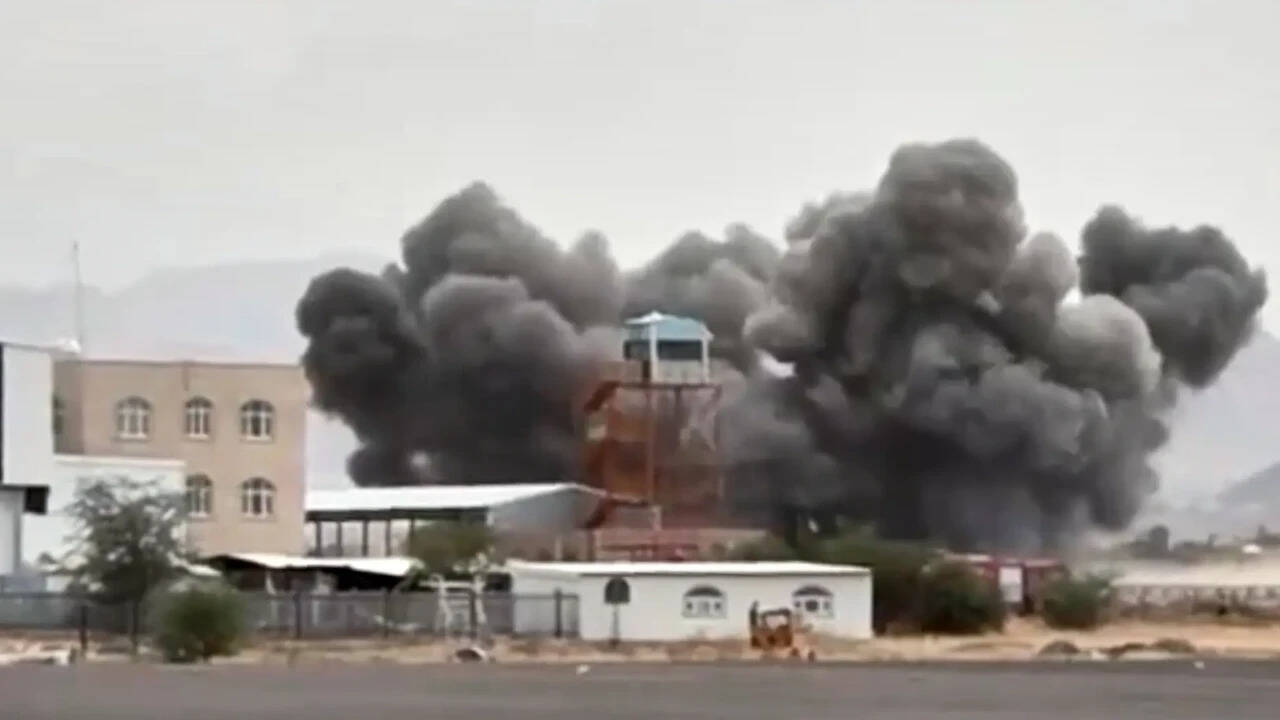
Missiles screaming toward a capital city change the geopolitical math overnight. When the Saudi-led coalition announced that Yemen's Houthis tried to strike Riyadh with a ballistic missile, it wasn't just another skirmish in a forgotten war. It marked a sharp, dangerous escalation, hitting right at the heart of Saudi power as regional tensions with Iran continue to boil over.
If you think this is isolated local conflict, you're missing the bigger picture. Let's break down what's actually happening on the ground and why military analysts are growing nervous. In other developments, we also covered: Why The White House Press Bans On Cnn And Politico Change Everything.
The Strike on Riyadh and the Air Defense Strain
Residents in Riyadh didn't just read about the attack on their phones; they heard it. Witnesses reported a loud explosion, followed by a thick plume of smoke rising near the airport after the incoming ballistic missile was intercepted. Fortunately, no casualties or immediate structural damage were reported by AP, but the psychological impact on the capital is undeniable.
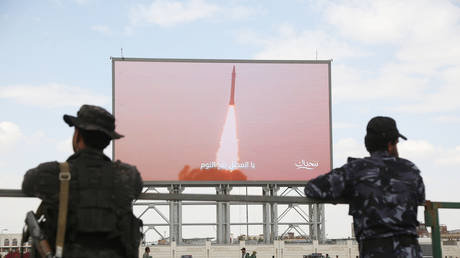
This wasn't a standalone stunt. The Houthis claimed they fired a mix of cruise missiles, ballistic missiles, and drones targeting sensitive sites in Riyadh alongside facilities belonging to Saudi oil giant Aramco in Yanbu. The coalition stated that attacks directed at Yanbu, Taif, Baysh, and Farasan were successfully thwarted. Wikipedia has provided coverage on this fascinating issue in great detail.
Yet, intercepting these threats comes at a massive logistical cost. Behind closed doors, regional officials have leaked a stark reality: Saudi Arabia is running low on missile interceptors. Riyadh has actively scrambled to secure air-defense support from international allies like France, Britain, Pakistan, and Egypt to replenish depleted stockpiles.
The Wider Regional Firestorm
Why are the Houthis ramping up their offensive now? You have to look at the broader map. Fighting inside Yemen has intensified dramatically. The Iran-backed group has pushed hard along the Red Sea coast, seizing the strategic port city of Mokha and vital islands near the Bab el-Mandeb Strait.
This tactical boldness mirrors the wider regional turbulence involving Iran. Just days before the Riyadh strike, Saudi air defenses intercepted a Houthi drone targeting Mecca, while falling debris from another intercepted drone tragically killed a Yemeni resident inside the kingdom.
Houthi military spokesperson Brig. Gen. Yahya Saree didn't mince words, acknowledging the operations and accusing Saudi Arabia of retaliatory strikes targeting the rebel-held Yemeni capital of Sanaa. Both sides are digging in, turning a fragile stalemate into an active, unpredictable shooting match.
What Most People Get Wrong About the Houthi Arsenal
A common misconception is that the Houthis rely solely on crude, homemade weaponry cobbled together in caves. That's outdated thinking. Over the years, the group has acquired and manufactured increasingly sophisticated cruise missiles and long-range drones capable of striking targets hundreds of miles away with alarming precision.
When you combine advanced asymmetric warfare tactics with external backing, regional defense systems face a constant stress test. Even the most advanced Patriot batteries can experience capacity strains when facing coordinated, multi-vector drone and missile swarms. That's why Western and regional defense contractors are watching these developments with deep unease.
Where This Goes Next
The escalation near Riyadh signals that the conflict in Yemen refuses to stay contained. As long as regional proxy lines remain hot and critical shipping lanes like the Red Sea face constant disruption, capitals across the Middle East remain on high alert.
Expect tougher security postures around vital infrastructure, frantic diplomatic lobbying for missile defense resupply, and a persistent shadow over regional stability.


/268075-003-58b9ddfa5f9b58af5cb9f9ac.jpg)