When 73 civilians sustain injuries from a coordinated barrage of strikes in southwestern Saudi Arabia, you aren't just looking at a regional skirmish anymore. You are watching a dangerous escalation that hits global energy markets right where it hurts. The September 2026 attacks orchestrated by the Houthi movement didn't merely rattle infrastructure in the kingdom; they exposed the fragile reality of energy supply lines that the world depends on daily.
Most news outlets treated these events as a routine flashpoint. They missed the bigger structural shift happening beneath the surface. Let's break down what actually happened, why these attacks matter more than previous exchanges, and what it means for energy stability moving forward.
The Anatomy of a Major Escalation
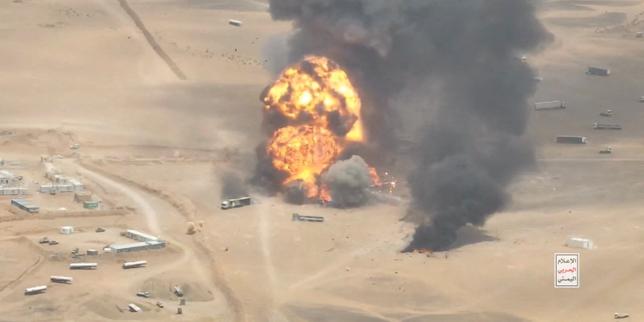
For months, tensions in Yemen and its surrounding waters have simmered under the radar of Western media. But in early September 2026, the dynamic shifted dramatically. The Houthis launched a massive wave of projectiles targeting cities and critical economic infrastructure inside Saudi territory.
The resulting toll—73 wounded civilians—marked the most severe kinetic impact on Saudi soil in years. More critically, the assault forced the temporary interruption of key energy sites. When energy installations get caught in the crossfire, markets panic instantly. Brent crude futures twitch, traders scramble, and insurance premiums for tankers navigating regional choke points skyrocket.
Why did this happen now? The timing wasn't random. The offensive followed intense localized bombardments blamed on the Saudi-led coalition, including a devastating strike on a prison in the Jawf province that left over a dozen dead. Action breeds reaction. The cycle of violence has locked both sides into a tit-for-tat logic that ignores diplomatic off-ramps.
Why Energy Sites Remain Soft Targets
Protecting multi-billion-dollar energy facilities sounds simple on paper. In practice, keeping sprawling desert installations safe from low-cost drones and ballistic missiles is an absolute nightmare.
Saudi Arabia has spent billions on advanced air defense batteries like Patriot systems. Yet, saturation attacks test the limits of even the most sophisticated defense architecture. When dozens of vectors approach simultaneously, interceptors run low, and fragments inevitably rain down on populated areas or sensitive industrial nodes.
The temporary shutdowns triggered by these recent strikes prove that you don't need to completely obliterate a refinery to cause chaos. You just need to disrupt operations long enough to send shockwaves through regional logistics and global pricing desks.
- Operational vulnerability forces preventive shutdowns.
- Supply chain jitteriness affects immediate export capacities.
- Local populations bear the physical and psychological brunt of the fallout.
The Regional Chessboard and the Iran Factor
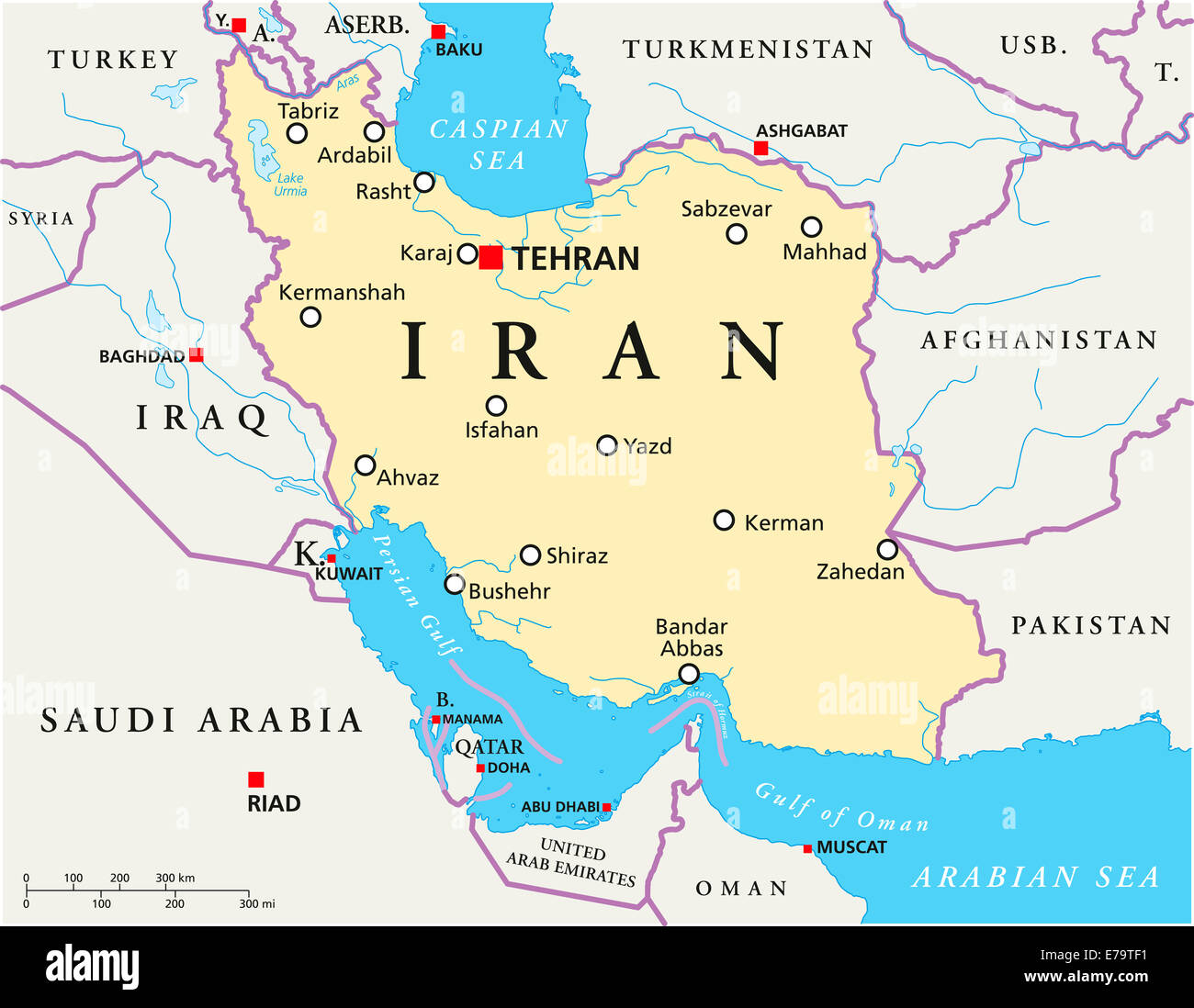
You cannot talk about the Houthis without looking at the broader regional architecture. Backed politically and materially by Tehran, the Yemeni movement acts as a potent asymmetric force multiplier. When diplomatic tensions flare between Iran and its regional rivals, frontlines in Yemen light up almost immediately.
Riyadh finds itself caught in a strategic squeeze. On one hand, Saudi leadership has tried to pivot toward domestic economic transformation, heavily dependent on a stable, investor-friendly image. On the other hand, the war next door refuses to stay contained.
Promising a decisive military response, as the coalition did immediately following the 73 casualties, satisfies domestic demand for strength. However, it also pushes peace talks further into the background. Every retaliatory cycle makes the eventual climb-down steeper and harder to negotiate.
What Happens Next for Global Markets
If you think this Stays in the Middle East, history tells a different story. Energy markets are hyper-connected. Any prolonged disruption to Saudi processing facilities or regional shipping lanes feeds directly into fuel prices at pumps worldwide.
Governments and multinational corporations are already re-evaluating risk models for the region. Relying on the assumption that regional containment will hold indefinitely is a losing strategy. Investors hate uncertainty, and the current trajectory guarantees plenty of it.
Watch the diplomatic backchannels closely over the coming weeks, but don't expect a quick fix. As long as the root causes of the Yemen conflict remain unresolved and regional proxy dynamics persist, infrastructure in the Arabian Peninsula will stay on high alert. Protect your portfolios, stay informed beyond the headlines, and recognize that energy security remains far more fragile than official press releases admit.