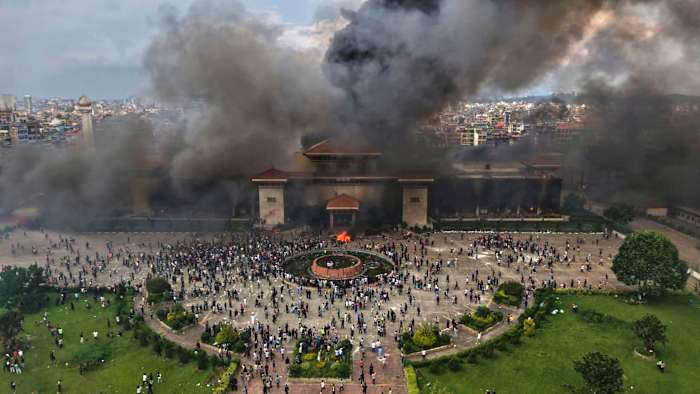
Drones and missiles don't just damage physical metal; they puncture the fragile baseline of global energy security. When Saudi energy facilities recently faced a concentrated wave of Houthi strikes, the market reaction wasn't just a brief hiccup—it was an immediate jolt that exposed just how vulnerable international supply lines remain to asymmetric warfare.
If you think modern air defense systems make multi-billion-dollar oil and gas installations entirely bulletproof, you haven't been paying attention. The reality on the ground is messy, unpredictable, and profoundly expensive to defend.
The True Cost of Asymmetric Aerial Attacks
Protecting thousands of square miles of desert infrastructure from low-flying, cheap drones is a logistical nightmare. While a defensive interceptor missile can cost millions of dollars to deploy, the incoming projectile might only cost a fraction of that amount. That economic asymmetry is precisely why these attacks keep happening.
When infrastructure takes a direct hit, the ripple effects travel fast.
- Global oil benchmarks spike immediately.
- Insurance premiums for tankers and facilities skyrocket.
- Regional diplomatic efforts stall out completely.
Investors hate uncertainty more than anything else. Every time an explosion echoes across a processing plant or a storage depot in the kingdom, traders re-price risk in real time.
Why Traditional Defenses Fall Short
Most commercial and industrial facilities were built to withstand industrial accidents, weather anomalies, or localized sabotage—not sustained military barrages involving precision-guided munitions and loitering munitions. Upgrading these sites requires completely rethinking perimeter security.
You can't just throw up a standard fence and station a few guards anymore. Facilities need integrated electronic jamming, kinetic counter-drone systems, and heavily fortified command hubs. But retrofitting sprawling oil installations takes time. Meanwhile, regional actors keep refining their tactics, using commercial components bought off the shelf to build deadlier payloads.
What Happens Next for Global Markets
You have to look past the immediate headlines to understand the trajectory here. Energy security is no longer just about pumping crude out of the sand; it is about keeping every single node of the pipeline safe from the sky.
If you are tracking international trade or managing portfolio exposure, ignoring these geopolitical flashpoints is a massive mistake. Monitor the shifts in defense tech spending across the Gulf, watch the shipping lanes, and stop assuming that critical infrastructure is immune to low-tech disruption. The stakes are simply too high to pretend otherwise. Take defensive measures now before the next shock hits the tape.