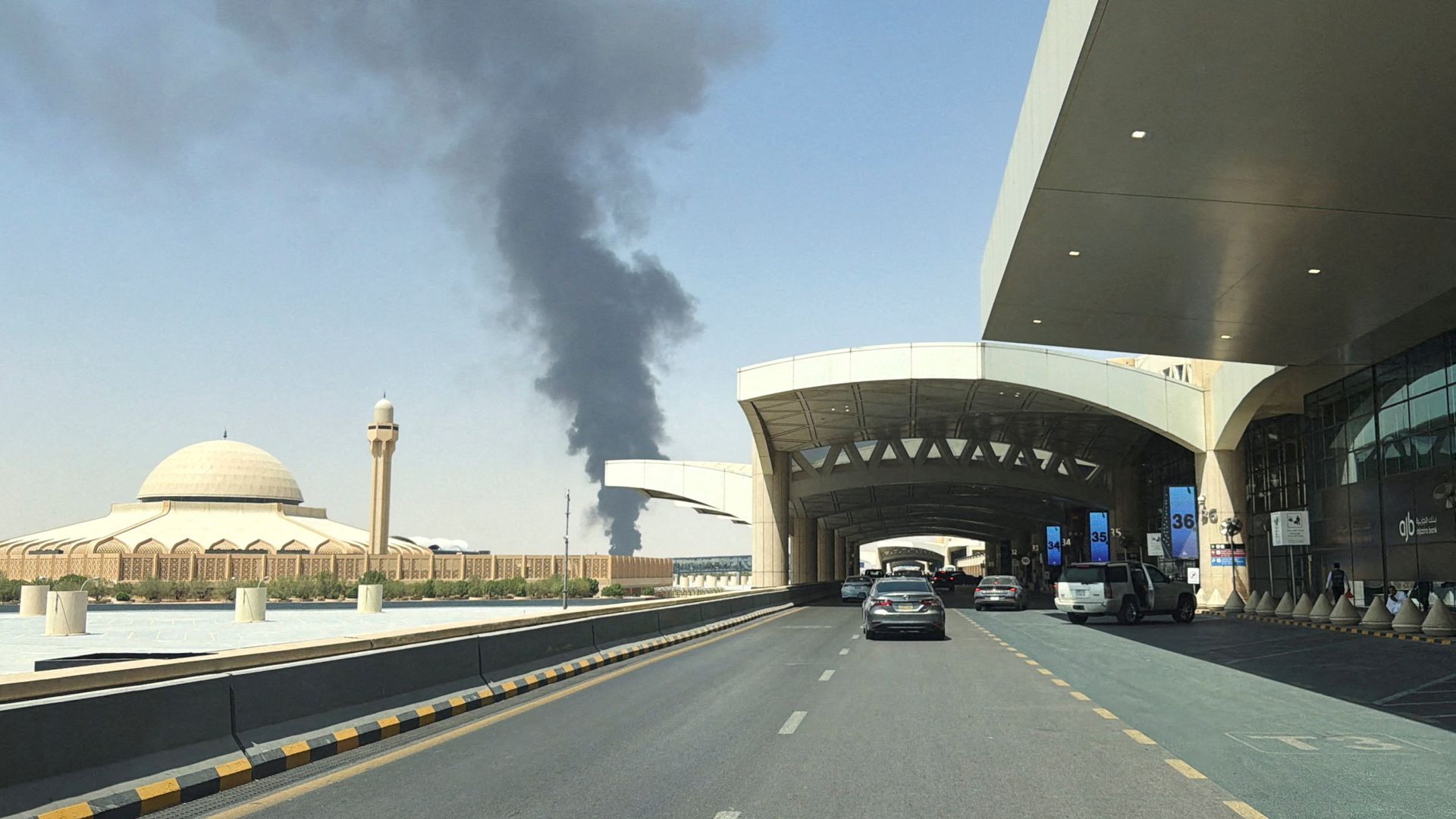
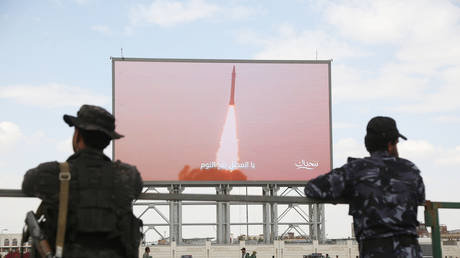
Thick black smoke billowed into the morning sky near King Khalid International Airport in Riyadh, shattering any illusion that Saudi Arabia could remain insulated from the widening regional conflict. Yemen's Iran-backed Houthi movement quickly claimed responsibility for a sophisticated barrage of drones and missiles targeting sensitive infrastructure inside the Saudi capital. If you thought the conflict in Yemen was a localized border dispute, recent events prove you dead wrong.
The Reality on the Ground in Riyadh
Residents across the Saudi capital heard loud booms echoing through quiet neighborhoods as air-raid sirens blared across mobile phones. The Saudi General Directorate of Civil Defense issued urgent warnings for Riyadh and surrounding areas overnight, marking the first time such capital-wide alerts have been triggered since tensions spiked in July. Also making news recently: Why Indonesia Is Panicking Over Its New Role In Australia Military Plans.
Footage verified by international news agencies showed massive plumes of smoke rising near fuel storage facilities close to the capital's primary airport hub. Flight tracking networks reported significant disruptions as authorities scrambled to secure airspace. Houthi military spokesperson Yahya Sarea announced that the group launched dual operations, hitting high-priority targets in Riyadh alongside energy installations belonging to Saudi Aramco in the Red Sea export hub of Yanbu.
Saudi officials have not detailed the full extent of the physical impact, but the symbolic shockwave is undeniable. For months, the frontline felt far away. Now, it's hitting the doorstep of the capital. Additional information regarding the matter are covered by Associated Press.
Why This Escalation Matters Right Now
You need to look at the bigger picture to understand why the Houthis are suddenly capable of striking deep inside Saudi territory. The regional theater shifted dramatically when the Houthi movement seized control of critical coastal strongholds along Yemen's Red Sea frontage, including the Bab el-Mandeb Strait. By locking down alternative shipping lanes while maritime passage through the Strait of Hormuz remains heavily constrained, the group has fundamentally altered energy security dynamics.
The calculus is simple. The Houthis are using long-range aerial assets to pressure Riyadh into major concessions, including salary payouts in rebel-held zones and unrestricted access to commercial revenues. Meanwhile, Iran continues to back these military maneuvers while maintaining strategic ambiguity through regional mediators in Qatar and Pakistan.
Saudi Arabia isn't taking this lying down. Fighter jets have pounded rebel positions across Taiz and Hajjah provinces with hundreds of airstrikes over the past week alone. But counter-strikes haven't stopped the cross-border projectile barrages.
What Comes Next for Global Energy and Security
The United Nations Security Council has strongly condemned the targeting of civilian and energy infrastructure. The US State Department has urged citizens across the region to exercise heightened vigilance as retaliatory cycles spin faster.
Oil markets are already reacting to the vulnerability of critical logistics routes. When energy hubs like Yanbu and capital airports face direct aerial threats, global supply chains tremble. This isn't just about regional pride or territorial control anymore. It's about the safety of international commerce.
Keep a close eye on diplomatic backchannels over the coming days. If talks fail, expect a severe military intensification that will redraw economic baselines worldwide.
Black smoke seen near Riyadh amid air raid alerts in Saudi Arabia
This video provides on-the-ground footage of the smoke rising near Riyadh following the recent Houthi drone and missile strikes.
http://googleusercontent.com/youtube_content/1


/268075-003-58b9ddfa5f9b58af5cb9f9ac.jpg)