The warning signals came down. The airport chaos, however, took much longer to clear.
When Typhoon Noul finally lost its punch and the Hong Kong Observatory dropped the T8 gale warning to a T3 at 12.40pm, millions of residents stepped outside to evaluate the wreckage. Over 350 flights had been grounded or scrapped entirely. Stranded passengers filled terminal seats, staring hopelessly at departure boards while the city transitioned from emergency lockdown back to standard operational rhythm.
If you were caught in the middle of it, you already know the drill. Transit froze, businesses locked their glass doors, and the streets fell eerily silent.
Why Typhoon Noul Hit Harder Than Expected
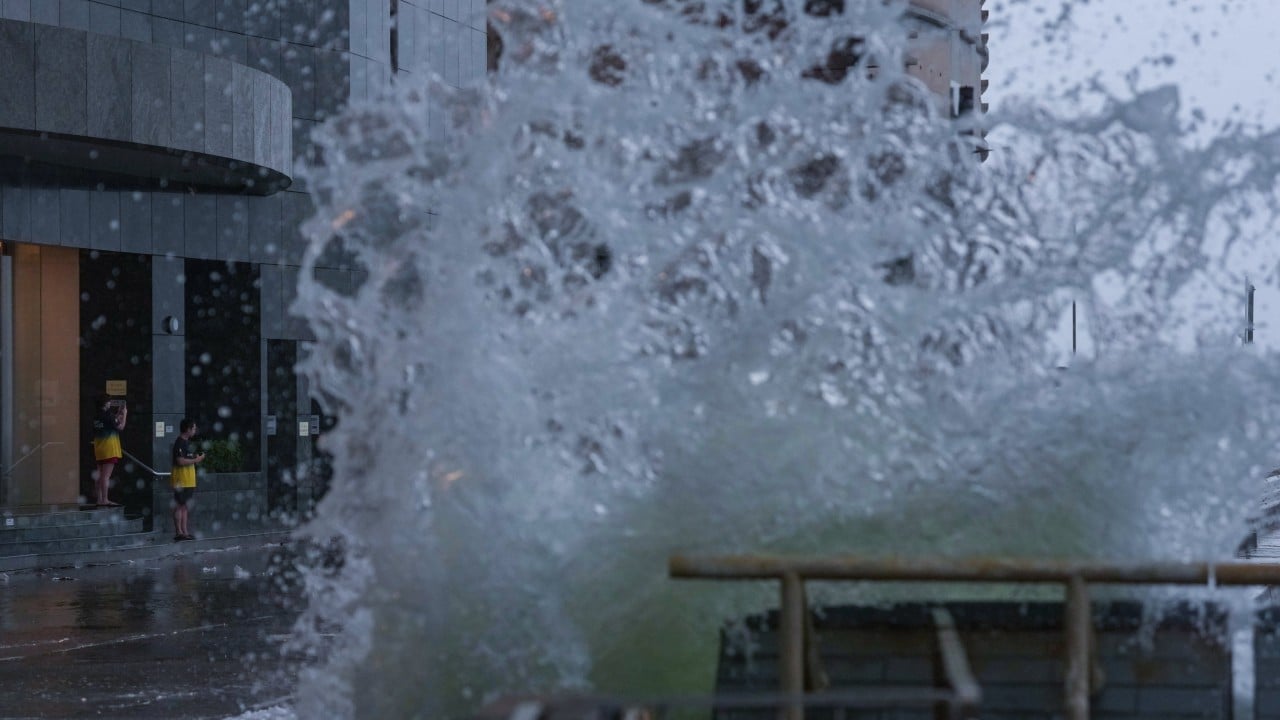
Storms arrive in the South China Sea every single year. Most people brush them off as an excuse to stay home and order takeout. Noul behaved differently. Packing maximum sustained winds near its center and tracking a vicious path toward the Guangdong coast, the storm forced authorities to take zero chances.
Mainland provinces didn't hesitate either. Mass relocations swept through southern cities as hundreds of thousands were moved out of harm's way before landfall. By the time Noul brushed past Hong Kong, the financial hub was locked down tight.
Scaffolding collapsed on a high-rise building on Saturday afternoon, thankfully missing pedestrians by sheer luck. Gusts battered coastal neighborhoods, turning ordinary streets into wind tunnels.
What Actually Happens When the T8 Drops to T3
The moment the Observatory lowered the warning signal to T3, a massive scramble began. Commuters rushed back to the MTR. Office workers packed into crowded trains. Bosses expected staff back at desks within hours.
That shift catches people off guard every single time.
- Public transport scrambles to restore normal schedules from emergency timetables.
- Retailers rush to reopen shutters while debris is still being swept off sidewalks.
- Travelers face a massive backlog at the airport that takes days to fully untangle.
Ground staff at Chek Lap Kok faced an impossible queue of frustrated flyers. Rebooking flights stranded by a major typhoon isn't a quick fix. Airlines had to shuffle aircraft, handle crew rest regulations, and process thousands of bumped passengers simultaneously.
Dealing With Extreme Weather Chaos
You can't control the weather. You can control how you handle it when a severe tropical storm tracks toward your coast.
Stocking up on instant noodles and bottled water at the last minute is a rookie mistake. Shelves empty fast when a T8 goes up. Smart residents keep an emergency kit ready year-round because storms don't wait for you to shop.
If you have upcoming travel plans during typhoon season, check your airline app before heading to the airport. Trusting the automated text alerts beats waiting in a three-hour line at a service desk.
The storm has passed inland and weakened. The flights are slowly taking off again. Stay alert for the next one because the season is far from over.