Hong Kong isn't just selling its own products anymore. Instead, the city is bundling up mainland Chinese enterprises and walking them straight into Southeast Asian markets.
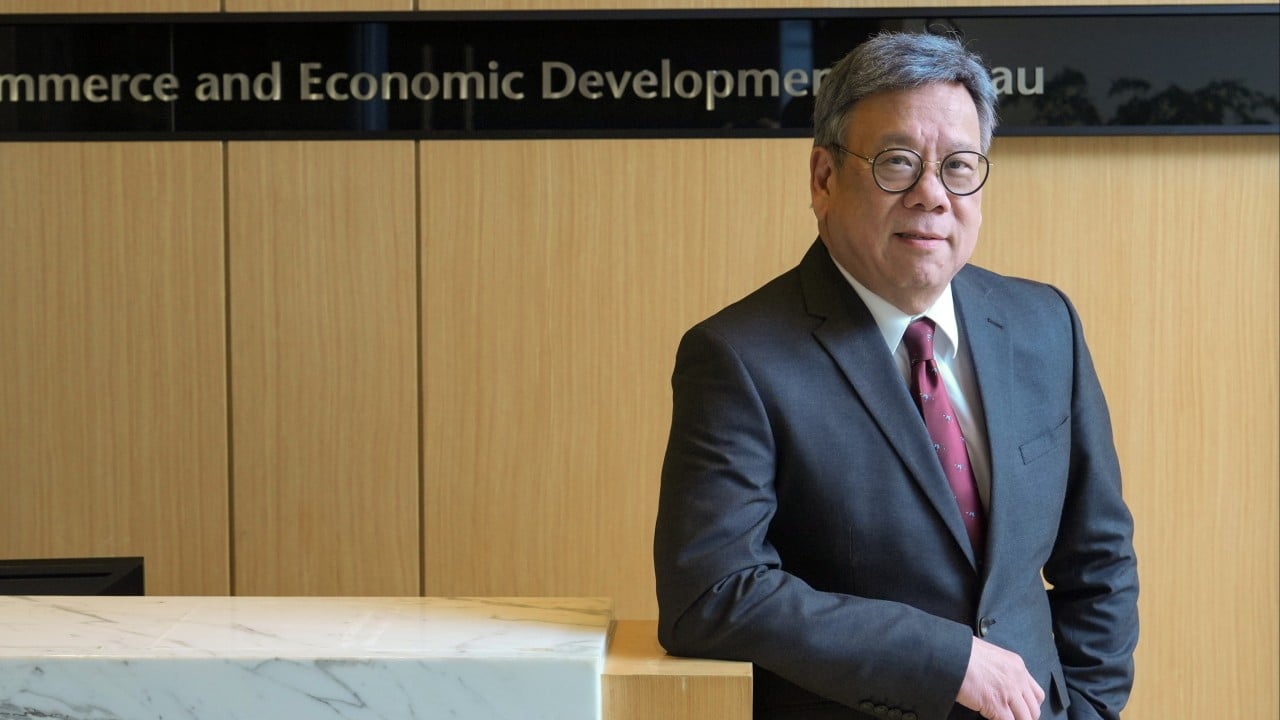
Secretary for Commerce and Economic Development Algernon Yau is packing his bags for Kuala Lumpur with a joint delegation of local and mainland firms. The objective is direct business matchmaking. Rather than hosting polite networking mixers, the mission pairs mainland enterprises that already set up shop in Hong Kong with actual government officials and corporate partners in Malaysia.
Why does this matter right now? Because Hong Kong's role as a simple middleman is evolving.
The Mechanics of the Joint Delegation Strategy
For years, Hong Kong tried to sell its own professional services to the rest of the world. That playbook changed. Mainland companies want to expand outward, but many lack boots-on-the-ground international experience or regional networks. Hong Kong provides the platform.
When Yau takes these companies to Malaysia, he isn't guessing what they need. These enterprises already established operations in Hong Kong specifically to test the waters of international expansion. They know what services they lack, and they know what foreign partnerships will help them scale.
According to government figures, InvestHK helped 413 companies establish a foothold in the city in the first half of the year alone, pulling in over HK$53 billion in direct investment. Meanwhile, the GoGlobal Task Force, which Yau oversees, has pulled more than 200 mainland enterprises into the city since its launch, with thousands more participating in roadshows across Beijing, Shanghai, and Shandong.
[Mainland Enterprises] ---> [Hong Kong Hub & GoGlobal Task Force] ---> [Joint Delegation to Malaysia] ---> [ASEAN Market Expansion]
Moving Past Traditional Trade Routes
Trade policy sounds boring until you look at the numbers. Malaysia remains one of Hong Kong's primary trading anchors within the Association of Southeast Asian Nations. With the new Kuala Lumpur Economic and Trade Office up and running, physical presence replaces abstract diplomacy.
The strategy addresses a real market gap. Traditional trade models rely on separate entities trying to cross borders blind. By mixing local Hong Kong firms—who understand international legal, financial, and compliance standards—with mainland operational powerhouses, the delegation presents a unified front.
Yau will also officiate a flagship promotional event organized by the Hong Kong Trade Development Council in Kuala Lumpur. These stops aren't ceremonial ribbon-cuttings. They are structured B2B sessions designed to clear regulatory hurdles and cut down months of cold outreach.
What the Critics Miss
Skeptics often argue that regional trade missions produce more photo-ops than contracts. They miss the structural shift happening behind the scenes. Hong Kong's push into ASEAN isn't about exporting manufactured goods; it's about exporting operational infrastructure.
When mainland firms use Hong Kong as their launching pad, they inherit the city's established financial credibility. Malaysian companies feel more secure dealing with a mainland firm that operates under Hong Kong's regulatory framework and professional services safety net.
If you run a business trying to tap into the ASEAN corridor, watch how these delegations execute their matchmaking. Stop waiting for inbound inquiries. Build the bridge before your competitors figure out the route.

:max_bytes(150000):strip_icc()/1LW4160952_7-2699d87a0e214a3986344924697d1381.jpg)