Hong Kong has long suffered from a subtle case of athletic imposter syndrome. We build world-class venues like the Kai Tak Sports Park, host international rugby sevens, and celebrate our fencing and swimming gold medalists with wild enthusiasm. Yet, the idea of hosting the actual Olympic Games always felt like a pipedream reserved for massive nation-states with bottomless budgets.
Stop thinking that way.
As the government rolls out its inaugural local five-year plan, a golden opportunity is staring us right in the face. This blueprint is not just about housing supply or financial tech metrics. Handled correctly, it can become the foundational stepping stone toward a historic Olympic bid, either independently or in coordinated synergy with our Greater Bay Area neighbors.
Let's look at what it takes to shift from local sports hub to Olympic host city, and why this policy cycle changes everything.
The Infrastructure Reality Check
You cannot host the world if your transit network bottlenecks every time there is a holiday rush. Critics always point to Hong Kong's compact geography as an automatic disqualifier for an Olympic bid. That argument holds zero water. Modern International Olympic Committee guidelines actively prioritize sustainability, urging host cities to reuse existing infrastructure rather than build white-elephant stadiums that rot away after two weeks of glory.
Hong Kong already possesses structural advantages that many past hosts would kill for. Our public transport system moves millions of people daily with astonishing precision. We have state-of-the-art facilities coming online, and regional integration with Shenzhen and Guangzhou means a cross-border mega-bid is entirely plausible.
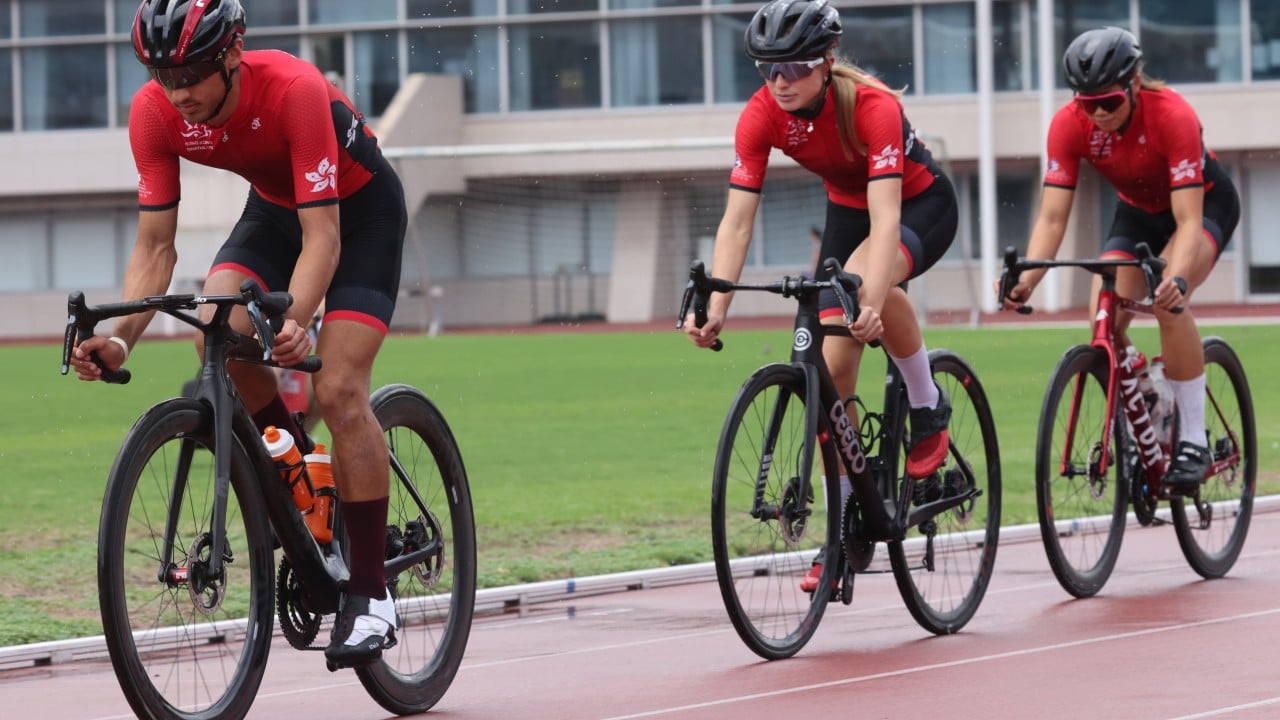
However, a five-year plan must address the glaring gaps. We need dedicated long-term funding for niche athletic training facilities, localized coaching pipelines, and sports science integration. Right now, too many elite local athletes struggle with part-time work or inadequate training hours because facility booking systems favor casual community users over professional contenders.
Moving Beyond Medals to Ecosystem Building
Winning a few medals at the Paris or Los Angeles games is fantastic for national pride, but it does not build a hosting ecosystem. To convince the international community that Hong Kong can manage an event of global magnitude, the five-year plan must treat sports as critical economic infrastructure.
What does this mean in practice?
- Streamlining venue access: Local sports associations waste countless hours battling bureaucracy just to secure training slots.
- Upgrading coaching talent: Importing world-class expertise to train local youth prevents our best prospects from plateauing early.
- Integrating private capital: Relying solely on government coffers limits ambition. Public-private partnerships can fund specialized training grounds.
When you look at cities that successfully transformed their global standing through mega-events, they didn't start by building stadiums. They started by embedding sports into the daily rhythm of urban planning.
The Regional Card
If Hong Kong tries to host a standalone Summer Games, the spatial constraints become a massive hurdle. But nobody said we have to walk alone. The Greater Bay Area framework offers an unprecedented safety net. Imagine an Olympic blueprint where equestrian events and fencing happen in Hong Kong, aquatic sports and gymnastics take place in modern Guangzhou facilities, and cycling or sailing utilizes regional coastal routes.
This regional distribution spreads financial risk, satisfies modern Olympic sustainability mandates, and showcases the economic power of southern China. The current five-year planning cycle provides the administrative mechanism to start synchronizing policies across borders. Without this blueprint locking down long-term priorities, cross-border mega-projects remain stuck in endless committee meetings.
What Needs to Happen Next
Talk is cheap. If policymakers want to use this five-year window to set the ball rolling, they need to take specific actions immediately.
First, establish a dedicated Olympic exploratory committee under the Culture, Sports and Tourism Bureau. This group should map out exactly which existing venues meet international standards and where shortfalls exist.
Second, tie grassroots sports participation metrics directly to funding allocations for districts. An Olympic culture starts on school playgrounds, not in executive boardrooms.
Third, engage the public early. Mega-events require local buy-in. If citizens view an Olympic bid as a waste of public funds, the political will evaporates overnight. Transparency is your best PR strategy.
Hong Kong is uniquely positioned to punch far above its weight class. We have the wealth, the safety, the logistical mastery, and the geographic charm. It is time to stop treating sport as a weekend pastime and start viewing it as a vehicle for our ultimate global transformation.