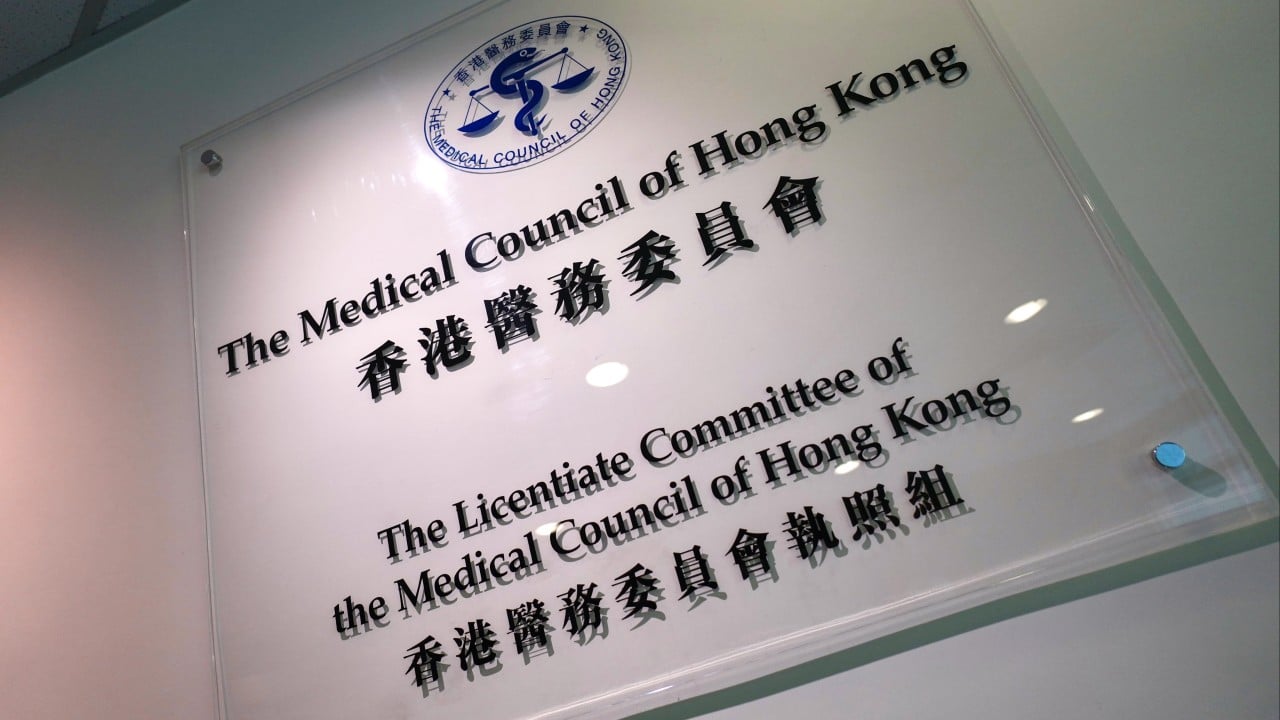
Waiting years for answers after a medical mishap is agonizing. When the Hong Kong Medical Council pushes back against hard statutory deadlines for processing complaints, patients bear the brunt of that delay. Bureaucracy moves slowly, but grief and uncertainty move fast.
The debate over time frames for handling complaints has exposed a fundamental rift between government oversight bodies and medical professionals. While public watchdogs and aggrieved citizens demand swift accountability, the medical establishment argues that imposing rigid timelines is unrealistic given the complex nature of clinical investigations. Striking a balance seems harder than ever.
The Real Cost of Delayed Investigations
When someone files a complaint against a doctor, they aren't just looking for paperwork. They want closure, safety assurances, and accountability. Right now, investigations routinely stretch out for months or even years.
During this limbo, patients and their families suffer. Doctors under investigation also experience severe professional stress, often trapped in prolonged professional uncertainty. A sluggish system serves nobody well. Yet, the Medical Council maintains that rushing complex medical reviews introduces dangerous errors.
Critics counter that without firm time caps, cases slip through the cracks. The Ombudsman has repeatedly flagged severe backlogs and sluggish processing times within the council's mechanism. Fixing this requires more than internal adjustments. It demands an overhaul of how accountability operates in the city's healthcare ecosystem.
Why Hard Deadlines Face Resistance
Medical negligence cases involve intricate clinical records, expert witness testimonies, and nuanced professional standards. Council members argue that forcing investigators to meet arbitrary deadlines could lead to rushed dismissals or poorly substantiated disciplinary hearings.
If an investigator has sixty days to wrap up a case involving complex surgical errors, corners might get cut. That is the core argument from the defense side. They want thoroughness over speed.
However, patients don't see thoroughness. They see stalling. When cases take three or four years to reach an inquiry panel, public trust erodes completely. People start believing the system protects its own rather than serving justice.
What Needs to Change Right Now
Refusing strict deadlines without offering a credible alternative leaves the public frustrated. If the council cannot work under rigid time caps, it must introduce transparent intermediate milestones.
- Clear communication benchmarks for updating complainants every quarter.
- Dedicated investigative teams trained specifically to handle backlog clearance.
- Independent oversight to monitor why specific files stall for extended periods.
Fixing medical accountability isn't just about setting a stopwatch. It is about building an administrative process that respects the emotional toll on patients while maintaining rigorous medical standards. Until the council bridges that gap, public trust will remain low, and the calls for legislative intervention will only grow louder.