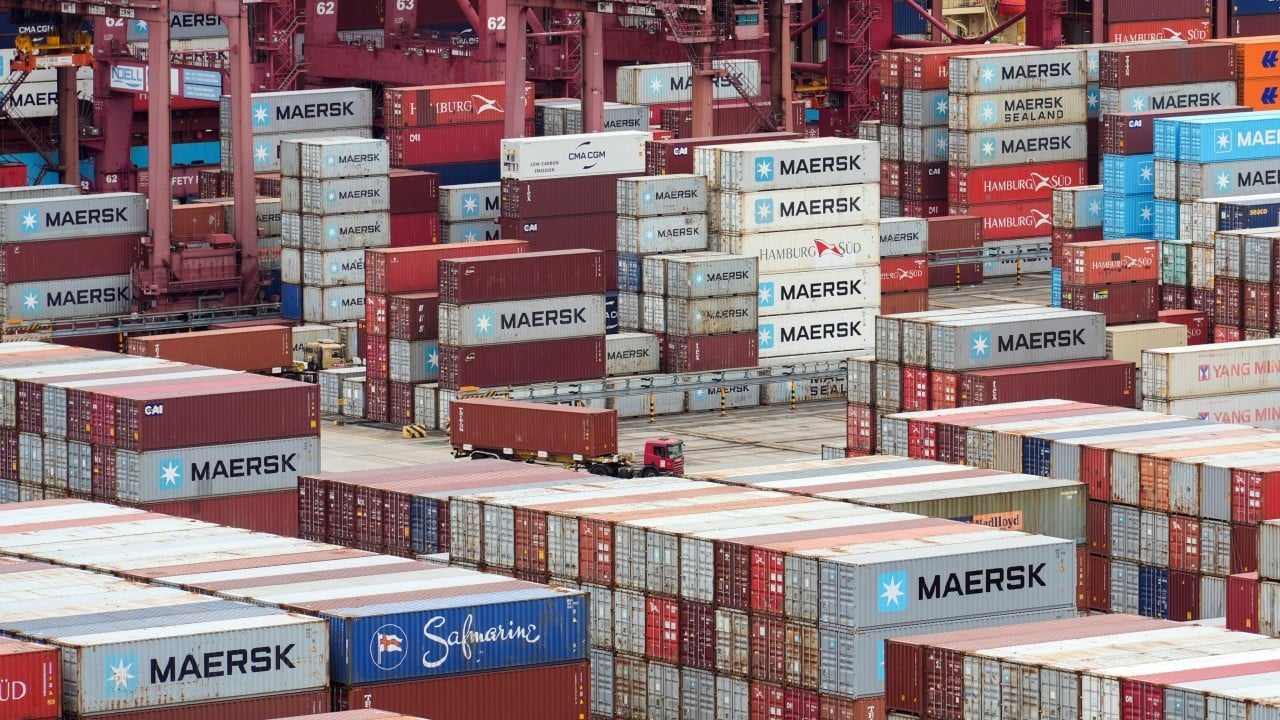
Hong Kong's export economy is having a massive moment. If you look at the recent trade data, outbound shipments didn't just grow—they jumped by 50.7% in July, building heavily on the historic 53.4% spike recorded in June.
That is not a normal market fluctuation. It is a massive wave driven entirely by global demand for artificial intelligence hardware.
Most casual observers miss how this actually works. Hong Kong doesn't manufacture millions of advanced microchips or server racks locally. Instead, the city acts as the ultimate logistics bridge, moving high-tech electrical machinery, specialized data processing machines, and telecommunications gear in and out of mainland China and global hubs. When the world goes wild for AI infrastructure, Hong Kong’s re-export engine prints numbers not seen in decades.
Where the Money is Flowing
The geographic breakdown of these trade numbers tells an obvious story. Demand is international, and it is moving fast. Shipments heading to regional powerhouses like Singapore and Taiwan exploded, while direct trade with mainland China maintained a heavy upward trajectory.
Even more striking is the western corridor. Outbound shipments to the United States jumped drastically, proving that underlying corporate demand for tech hardware punches right through political friction. Corporations need GPUs, memory modules, and specialized processors. They don't care about red tape when building out data centers. They want delivery, and they want it yesterday.
Navigating Tariffs and Geopolitical Headwinds
You might wonder how new trade barriers fit into this picture. Washington recently implemented a 12.5% tariff rate covering various goods from China and Hong Kong. Headlines love to scream about trade wars killing economic momentum.
Look closer. Many critical electronic components that make up the lion's share of these export volumes sit safely under exemption umbrellas. Trade policy is messy, but supply chains find workarounds because the technology upcycle demands it.
Still, nobody should pretend there are zero risks. Government officials and trade economists note that while the AI hardware frenzy provides a solid floor, external threats remain. Middle East tensions, shifting logistics costs, and a looming high-base effect mean growth numbers will likely normalize in the coming months.
What to Watch Next
If you are tracking international trade or logistics investments, stop looking at broad macroeconomic averages. Pay attention to semiconductor capital expenditure cycles and factory output data coming out of Shenzhen and the wider Guangdong manufacturing belt.
When the hardware pipeline slows down, Hong Kong's monthly trade balance will feel it first. Until then, the artificial intelligence gold rush is keeping the shipping lanes busier than ever.