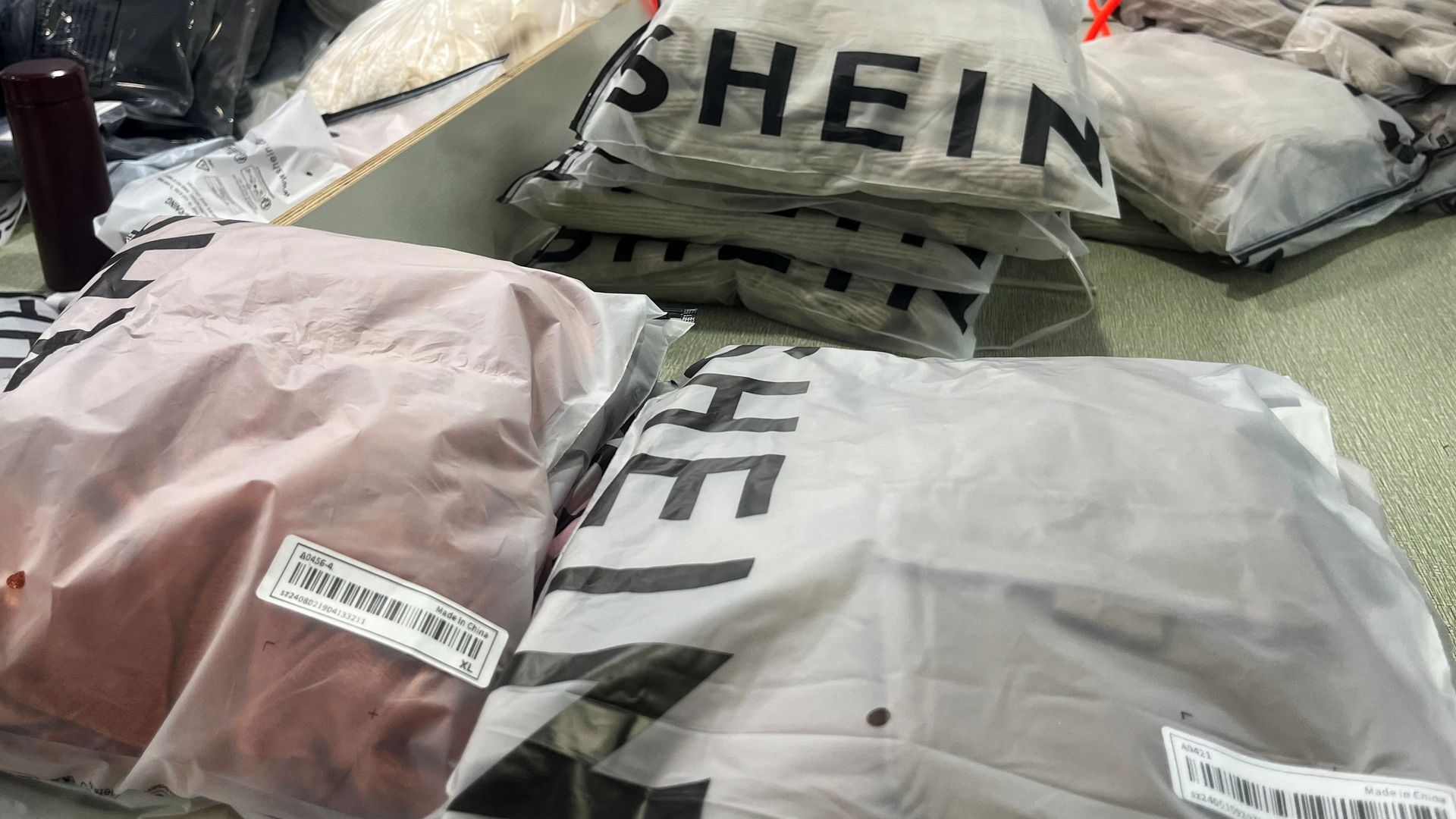
The UK government just moved its timeline forward to close the notorious small parcel import tax loophole, but high street retailers aren't celebrating. Honestly, they are furious. The Treasury announced it will bring the implementation date forward by six months to October 2028. For British retailers already watching their margins disappear, waiting more than two years for relief feels less like a solution and more like a brush-off.
If you have bought a £10 dress on Shein or a handful of cheap tech gadgets on Temu, you have interacted directly with this exact policy. Right now, any package entering the UK worth less than £135 completely bypasses customs duties. It's a massive financial break called the de minimis exemption. Foreign e-commerce platforms use it to ship direct from factories in China straight to British doorsteps, undercutting local stores that must pay import tariffs, warehouse overheads, and local business rates.
The rapid surge in these low-value imports is staggering. Treasury data shows these import volumes tripled between 2021 and 2024. Total declared trade values for these cheap parcels jumped from £3.8 billion in the 2023–2024 financial year to £5.9 billion in 2024–2025.
The Outlier Problem Fast Fashion Created
High street heavyweights like Marks & Spencer, Next, Primark, and Asos have been screaming for change. They see the 2028 timeline as a sluggish response that leaves the UK exposed.
The bigger issue is that the rest of the Western world is moving vastly faster. The US effectively axed similar low-value exemptions to stop the flood of duty-free Chinese goods. The EU is also moving swiftly, dropping its €150 duty-free threshold and planning a flat €3 handling fee per item to manage the administrative strain.
Because the UK is lagging behind, retail bosses warn the country has become a global dumping ground for cheap, un-tariffed inventory. When foreign platforms face barriers in Washington and Brussels, they naturally shift their focus to London.
The retail industry even handed the government a ready-made solution on a silver platter. Leaders from Currys, Halfords, New Look, and Argos signed a joint letter suggesting an immediate, temporary flat fee of £2.60 on every single small parcel entering the country. Industry projections show this move would raise roughly £1.7 billion annually for the Treasury while instantly leveling the playing field. Instead, ministers chose a bureaucratic delay.
Why the Government Capped the Speed Limit
Why is the Treasury moving so slowly? Officials claim they need a long runway to overhaul border infrastructure. If you suddenly slap tariffs on millions of individual low-value packages, you create an administrative nightmare at the ports. Every tiny parcel requires manual tracking, calculation, and collection. Without the proper digital systems in place, the UK supply chain could easily grind to a halt.
But while the government worries about border logistics, high streets are facing an existential threat. British businesses employ millions of people and contribute billions in domestic taxes. Asking them to survive another two years against competitors operating with a built-in structural advantage is a massive gamble.
What This Means for Domestic Retail Strategy
Waiting for the government to step in won't save your margins. If you operate an e-commerce brand or retail shop in the UK, you have to adapt to this prolonged transition phase immediately.
- Audit Your Supply Chain Costs: Review your current import tariffs. If you are importing inventory in bulk and paying standard customs duties up front, look into customs warehousing or freight options that allow you to defer payments until the point of sale.
- Double Down on Product Safety and Standards: Lean into compliance as a selling point. One of the biggest vulnerabilities of direct-from-factory marketplaces is erratic quality control and product safety. Highlight your UK standard compliance, easy local returns, and ethical sourcing in your marketing.
- Shift to High-Velocity Local Fulfillment: Foreign platforms still struggle with shipping speeds, usually taking 5 to 10 days to deliver. If you can guarantee next-day or two-day delivery through local fulfillment networks, emphasize that speed advantage to your customers.