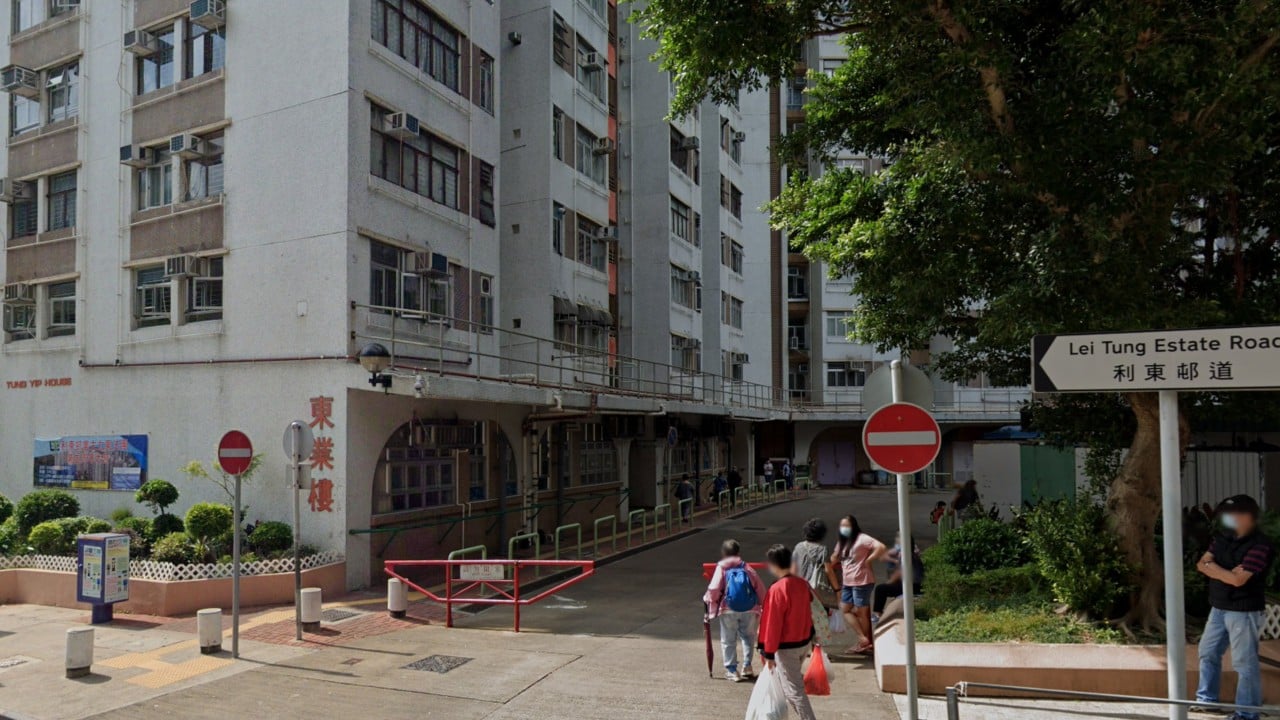
Hidden doors hide silent emergencies. When a security guard at Tung Yip House in Lei Tung Estate noticed a strange smell creeping into the hallway, nobody expected a tragedy born of complete social detachment. Two brothers in their fifties were found dead inside their apartment, having slipped away weeks apart from one another.
The grim discovery reveals a terrifying reality about extreme urban isolation. Financial support couldn't save them. Family ties from a distance couldn't protect them.
What Happened Inside the Flat
Police and emergency personnel forced entry into the Ap Lei Chau flat after an elder sister triggered an investigation. Inside, they found the decomposing bodies of the two men, aged 53 and 55. Investigators pieced together a devastating timeline. The younger brother likely died first, leaving the older sibling entirely alone.
Without his primary carer, the older brother—who had suffered from severe social avoidance tendencies for decades—could not sustain himself. They didn't lack money. An automatic monthly transfer of HK$17,000 from their parents covered basic needs, and HK$10,000 in cash remained untouched on the premises.
This wasn't a crime of poverty. It was a failure of connection.
The Anatomy of Extreme Withdrawal
Extreme social isolation rarely happens overnight. According to family accounts, the elder brother had displayed severe avoidance traits since birth, dropping out of school early and avoiding face-to-face contact with almost everyone. His world shrank to the walls of a 400-square-foot flat bought by his parents in 2003.
The younger brother carried the weight of the household. He acted as the sole caregiver since 2003 while managing his own introverted tendencies. When he passed away weeks before his brother, the fragile ecosystem collapsed instantly.
Neighbors barely registered their existence. While people knew two brothers lived there, they rarely saw anyone leave. The man who did step outside never greeted anyone or responded to small talk. Modern high-density living often creates hyper-privacy, turning apartment buildings into vertical silos where neighbors live inches apart yet remain total strangers.
Why Systems Fail Hidden Families
Governments and social services constantly struggle to reach people who actively reject human contact. When individuals refuse medical diagnoses, avoid community groups, and shun family visits, traditional outreach programs miss them entirely.
- Financial safety nets fail when physical or mental care is missing.
- Cash transfers cannot feed someone who loses the physical capacity to prepare food or secure help.
- Distance matters. Family members who live elsewhere and visit only every couple of months cannot spot rapid emergencies.
Families dealing with severe social withdrawal often normalize the separation out of exhaustion or fear. Over a decade passed without the elder brother seeing certain relatives because of profound phobias.
Preventing Future Tragedies
You can't fix extreme isolation with standard bureaucratic check-ins. Hidden households require a complete shift in how communities operate.
Start paying attention to the small details around you. If a neighbor’s mail piles up, if normal routines vanish, or if strange smells emerge, don't assume someone else will knock on the door. Community vigilance remains the first and last line of defense against silent disasters.
Check on the people living right next door. Sometimes a simple greeting breaks the silence before it becomes permanent.
Police Probe Suspected Suicide of Two Brothers
This video provides additional context regarding recent police investigations into isolated domestic incidents involving siblings within public housing estates.


