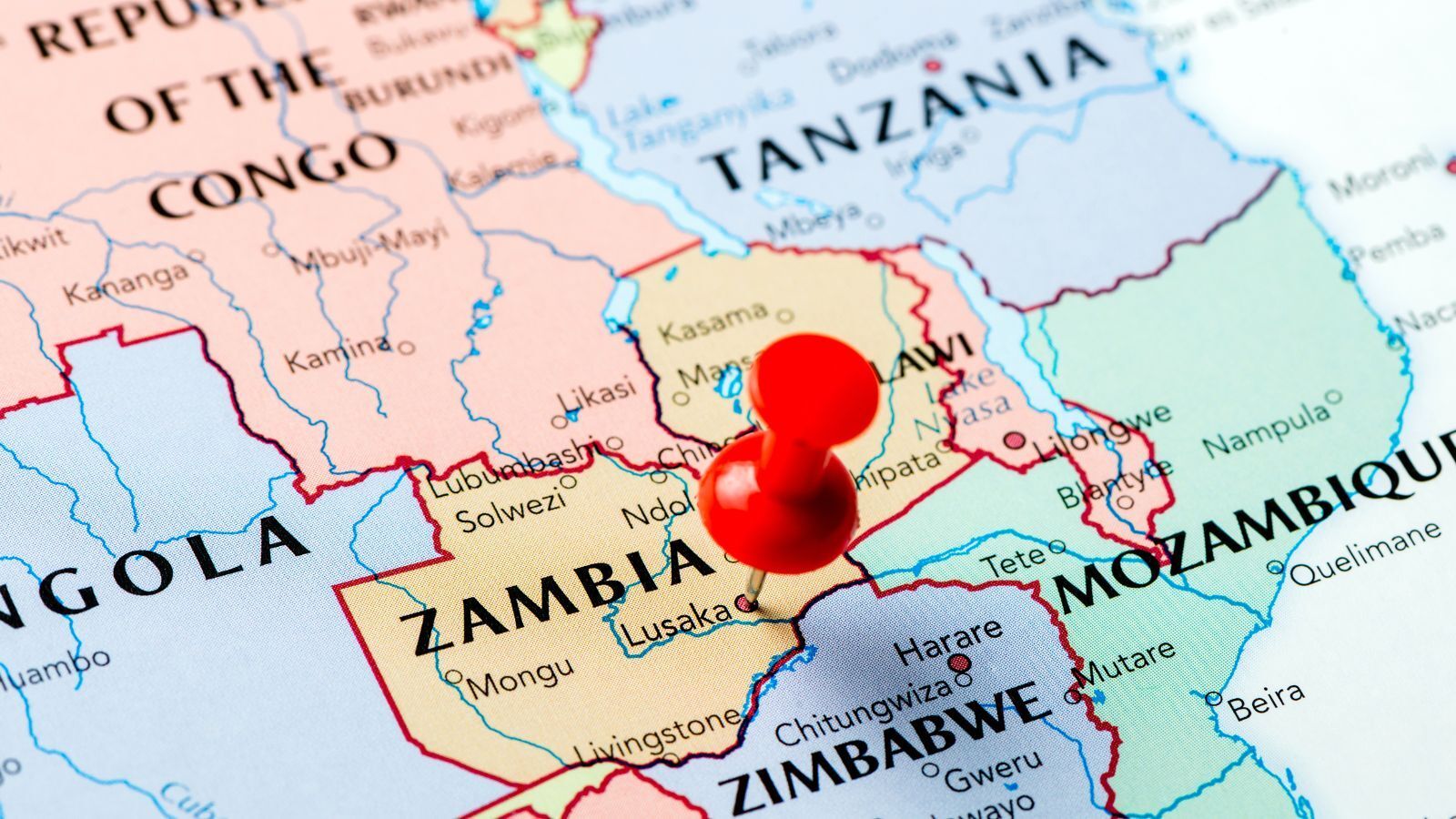
Hakainde Hichilema has secured his second term as President of Zambia. The Electoral Commission of Zambia officially confirmed the results early Tuesday, August 18, 2026. This victory marks a significant milestone in a race that was both high-stakes and occasionally volatile.
Hichilema pulled in roughly 61.4 percent of the vote. His main challenger, Brian Mundubile, trailed with about 38 percent. With over 2.9 million votes to his name, Hichilema avoided the necessity of a run-off. In related updates, take a look at: Why Egypt Is Avoiding The Mecca Pact.
It was a decisive win. Yet, the path to this result wasn't exactly smooth.
The Context Of The 2026 Election
You might recall that Hichilema first took office in 2021. Back then, he inherited a nation struggling under the weight of a massive debt crisis. His primary mandate was to clean up the books, restructure sovereign debt, and get inflation under control. Al Jazeera has analyzed this fascinating topic in extensive detail.
This 2026 campaign served as a referendum on those efforts. His supporters point to the stabilization of the kwacha and the successful debt restructuring negotiations as proof he’s the right person to lead. Critics, however, argue that the cost-of-living pressure remains too high for the average citizen.
The election atmosphere was tense. We saw vote counting paused last Friday. Officials reported that some polling stations were targeted, and there were incidents involving missing ballot papers. Security was tightened immediately. The military presence during the tallying process drew sharp criticism from observers and the Zambia Conference of Catholic Bishops, who noted that police—not the army—should handle the maintenance of electoral order.
The Opposition And Allegations
Brian Mundubile’s campaign path was anything but conventional. After his departure from the Patriotic Front, he emerged as a key figure within the Tonse Alliance. His run was defined by a direct challenge to the government’s economic policies.
Things turned dark on election night. Mundubile claimed his home was raided by police. He described the event as an attempt on his life. Meanwhile, authorities arrested several opposition figures, citing potential threats to state security.
It’s worth noting that international observers, including the European Union, kept a close eye on the proceedings. While they acknowledged the poll was largely peaceful, they were vocal about a "distorted playing field." They pointed to late-stage legal changes and uneven access to resources as factors that tilted the scales.
What This Means For Zambia Moving Forward
So, where do we go from here?
Hichilema has explicitly stated he intends to work for all Zambians, including those who cast their ballots for the opposition. That’s the classic post-election rhetoric, but in a country currently balancing deep economic reform with significant political polarization, the delivery matters more than the promise.
Economic Priorities
The government has to maintain its fiscal discipline. The debt restructuring is a start, not an end. The next five years will be judged by whether the macro-economic gains trickle down to daily life. If the price of food and basic services continues to climb, the 61 percent mandate will face immense pressure.
Strengthening Governance
The concerns raised by EU observers and local civil society groups regarding fundamental freedoms aren't going away. A healthy democracy needs more than just a peaceful vote count. It needs a transparent environment where opposition parties can operate without the constant specter of arrests or legal uncertainty.
Actionable Steps For The Future
If you are tracking the situation in Zambia, keep these factors in mind as the new administration settles in:
- Watch the Budgetary Allocations: Look for how the government balances debt repayment obligations against social spending. This is where the tension between international creditors and domestic voters will manifest.
- Monitor Legal Reforms: Keep an eye on any moves to standardize the electoral process. If the government wants to improve trust, it must address the "late legal changes" criticized by international observers.
- Opposition Dynamics: The arrests of opposition figures create a precarious situation. The true test of Hichilema’s second term is whether he can bridge the gap between his administration and the political minority.
Hichilema has five years to cement his legacy. His first term was about survival and stabilization. His second term is entirely about delivery. If he keeps the economy moving while allowing political breathing room, he might just bridge the current divide. If not, the tension we saw this week could easily resurface.