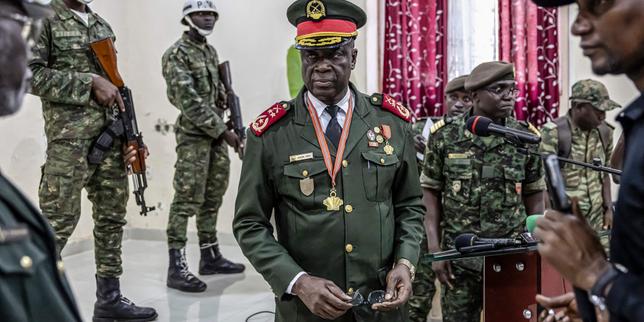
You can't understand modern West African political instability without looking closely at what just happened in Bissau. On August 30, 2026, voters headed to the polls for a constitutional referendum designed to rewrite the rules of governance. The ruling military junta pushed hard for these changes, claiming it's the ultimate fix for decades of chronic political chaos. But beneath the surface of ballot boxes and official turnout numbers, long shadows remain.
The transition government, led by General Horta N'Tam, orchestrated a vote aimed at dismantling the old semi-parliamentary setup. Critics call it a power grab. Supporters call it a necessary reset. Let's look at what actually changed and why this matters right now.
Breaking Down the New Presidential Regime
For years, the political architecture in Bissau featured a messy power-sharing arrangement between a president and a prime minister. That friction led to endless government collapses, institutional deadlocks, and eventually, military takeovers. Since gaining independence in 1974, the country has weathered five successful coups and numerous attempts.
The newly approved text alters the balance entirely. Under the revised constitution, the president claims sweeping executive authorities.
- The head of state can now unilaterally appoint and dismiss the prime minister.
- The government cabinet answers directly to the presidency rather than a fragmented parliament.
- The executive holds the power to dissolve parliament when political stalemates occur.
Supporters argue this concentration of authority prevents legislative paralysis. Critics, including major opposition factions like the PAIGC who boycotted the process, point out that concentrating unchecked power in one office invites authoritarian rule. Human rights groups warned well ahead of the vote that stripping checks and balances creates severe vulnerabilities for democratic institutions.
Turnout, Boycotts, and the Shadow of the Past
Getting citizens to show up during the rainy season is never easy. Heavy downpours disrupted logistics and kept rural participation uneven. Yet, election administrators reported a participation rate crossing 55 percent.
Numbers alone don't tell the whole story. The opposition's choice to boycott the referendum left a massive vacuum. When a major portion of the political spectrum refuses to participate, a "yes" vote lacks broad national consensus. It reflects a polarized nation caught between fatigue from past civilian administrations and deep skepticism toward military-led reform.
Regional bodies like ECOWAS have watched these developments closely, trying to balance demands for a swift return to constitutional order with the messy realities on the ground. Economic partners, including foreign entities eyeing natural resources and strategic projects, are recalibrating their approaches as the December presidential elections approach.
What Comes Next for Bissau
This referendum is not an isolated event. It serves as a legal bridge toward the presidential elections scheduled for December 6, 2026. The junta is using this vote to establish a new baseline of legitimacy before handing power back to civilian figures—or transitioning themselves into elected roles.
If you're tracking West African governance trends, pay attention to how the newly expanded presidential authorities get tested in practice. Watch whether civil society groups can maintain independent oversight under a strengthened executive branch. The text has changed, but the underlying political culture takes much longer to reform. Keep an eye on the upcoming December polls because they will reveal whether this constitutional overhaul brings stability or simply sets the stage for the next political crisis.


