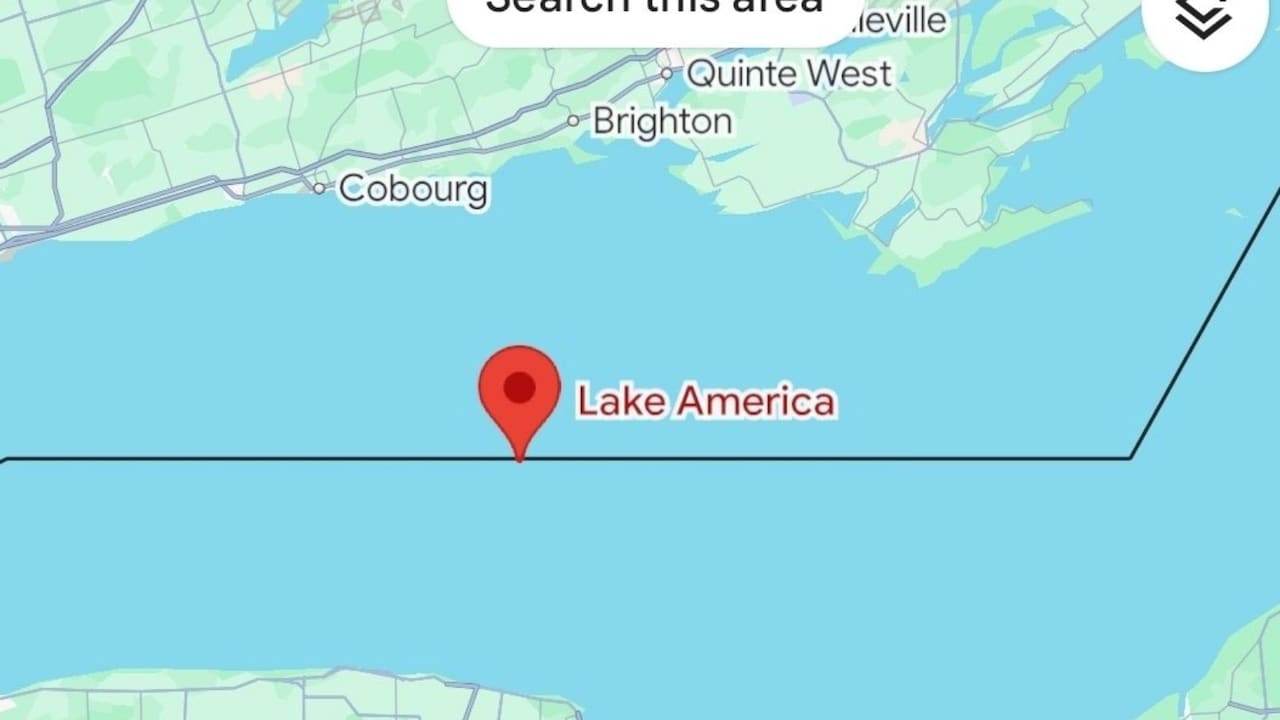
Geography used to feel permanent. Rivers stayed where they flowed, mountains stayed put, and borders rarely shifted without a major conflict. Now, physical reality gets edited in real-time by tech companies depending on what country you are sitting in. If you open Google Maps in the United States right now, you might notice something strange. Lake Ontario has been renamed Lake America for domestic users, following a unilateral executive order by President Donald Trump.
If you cross the border into Canada, or look at the map from Toronto, you see the traditional name. Google displays Lake Ontario, respecting the Indigenous-rooted title used since the seventeenth century. This split-screen reality highlights a weird intersection between political posturing, software updates, and cartographic nationalism. Read more on a similar issue: this related article.
How did a body of water shared by two neighbors end up with two entirely different names on the same global app?
The change stems directly from official US databases. Google bases its domestic naming conventions on the US Geographic Names Information System, known as the GNIS. When the federal government updates its official federal database to reflect political directives, tech platforms usually fall in line to maintain local compliance. Further analysis by TIME highlights similar views on the subject.
Google explained its routing logic clearly on its official channels. Users inside the United States see Lake America because the GNIS says so. Users in Canada continue seeing Lake Ontario. Anyone logging on from outside North America sees both names listed simultaneously to avoid diplomatic confusion.
This digital redesign mirrors a similar move from January 2025, when the administration changed the name of the Gulf of Mexico to the Gulf of America. Mexico rejected that shift immediately.
The cartographic dispute arrives amidst rising trade tensions and a bitter tariff war between Washington and Ottawa. Tit-for-tat economic penalties have turned everyday political messaging into high-stakes theater. Ontario Premier Doug Ford did not hold back when reacting to the lake name change during an appearance on Sunday television.
Ford called the move backwards and compared it to a sketch from Saturday Night Live. He argued that no one is actually going to adopt the new moniker. Beyond the map names, the trade friction carries serious economic weight. Canada remains a primary buyer of American-made vehicles, and the highly integrated supply chain means car parts cross the border multiple times before a vehicle ever rolls off an assembly line.
Tariffs hit both sides hard. Ford warned that slapping heavy fees on Canadian imports amounts to a direct tax on everyday American consumers. Meanwhile, Washington defends the protectionist stance, arguing that domestic manufacturing needs insulation from foreign competition after years of lopsided trade deals.
Other tech giants have handled the political pressure differently. Apple Maps initially resisted changing the label, leaving the traditional name intact across its ecosystem, though political pressure continues to mount.
For everyday users navigating these apps, the split name is mostly a confusing annoyance that turns digital mapping into a geopolitical flashpoint. Borders exist on paper, but changing the names of natural landmarks on consumer software shows how fast digital infrastructure bends to political will.