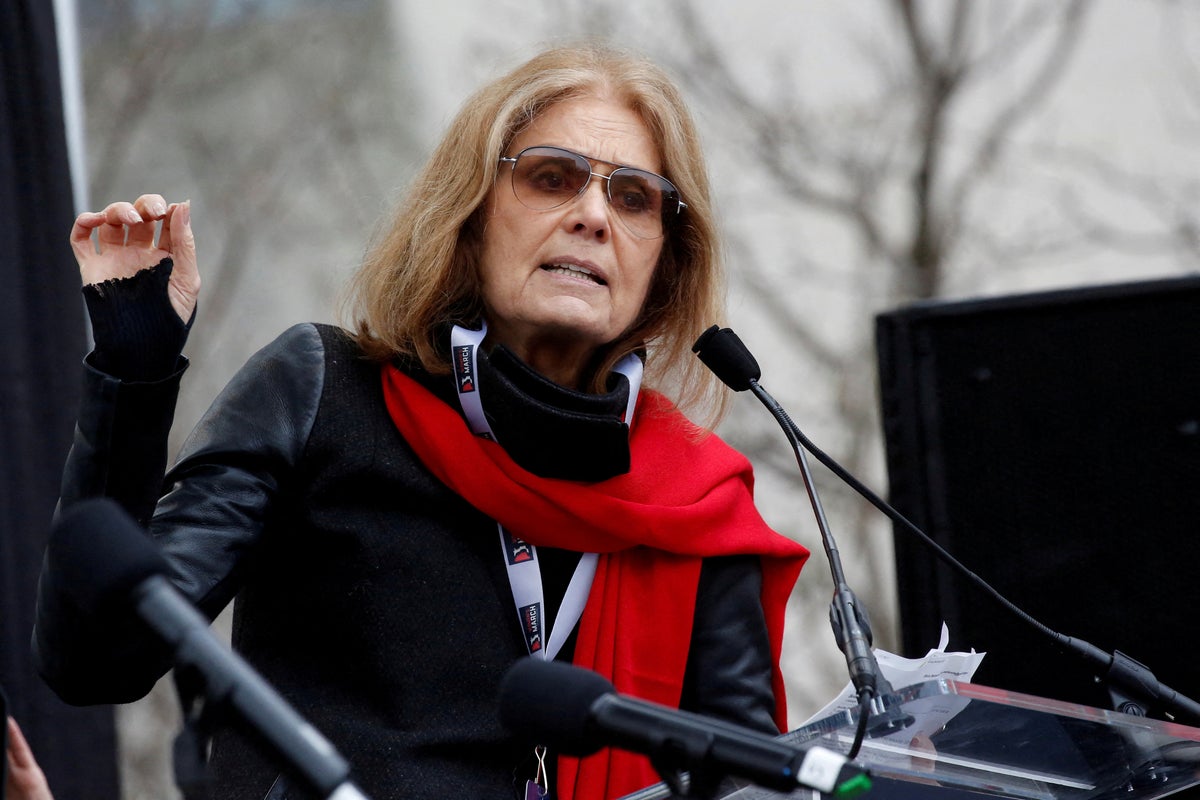
Gloria Steinem didn't want to be an icon. She wanted to be a reporter. Yet, history had other plans for her, cementing her signature aviator glasses and streaked hair as the visual shorthand for modern American feminism. When she passed away at her New York City home at the age of 92, she left behind an institutional framework that changed how society views bodily autonomy, labor, and the public square.
Most people remember her for founding Ms. Magazine or for her brilliant 1963 undercover exposé on the exploitative conditions inside Hugh Hefner's Playboy clubs. But her true legacy lies in her refusal to stay in a neat intellectual box. She treated social change like an ongoing drafting process, constantly revising her tactics as new voices entered the room. For a more detailed analysis into this area, we recommend: this related article.
The Evolution of an Activist
Long before she became a household name leading marches and speaking across university campuses, Steinem worked as a freelance journalist trying to break through a deeply boys-club media industry. Her famous assignment for Show magazine, where she spent eleven days working as a Playboy Bunny, opened her eyes to the systemic degradation baked into corporate service jobs. She hated the experience. It launched her lifelong crusade against structural sexism.
Yet, Steinem was famously humble about the origins of her political awakening. She often credited Black women and activists of color with laying the actual groundwork for second-wave feminism. While mainstream histories frequently paint her as the sole architect of the era, Steinem understood early on that a movement built exclusively around the needs of white, middle-class women was fundamentally broken. To get more details on this topic, in-depth coverage can also be found on NBC News.
She put her platform where her mouth was. Alongside leaders like Shirley Chisholm, Bella Abzug, and Betty Friedan, she helped establish the National Women's Political Caucus and the Ms. Foundation for Women. She wasn't interested in just talking about power. She wanted to build institutions that could outlive her.
Challenging the Rules of Marriage and Motherhood
Society in the mid-twentieth century expected women to follow a very specific script: graduate, marry young, keep house, and raise children. Steinem tore that script up. She famously remained single until age sixty-six, when she married businessman David Bale, and she never had children.
Her life choices served as a living laboratory for her core philosophy. She argued repeatedly that feminism was never about telling women what they had to do, but rather giving them the absolute right to choose. When critics questioned her choices, she answered with humor and sharp intellect. Her perspective on domestic labor remains shockingly relevant today: women would never achieve true equality outside the home until men took an equal share of the work inside it.
Why Her Work Still Echoes Today
The fight for reproductive freedom defined much of Steinem’s life. Having had a secret, illegal abortion at age twenty-two, she knew firsthand the physical and psychological dangers of government-mandated control over women's bodies. Decades later, following the reversal of Roe v. Wade, her words rang prophetic: control over our bodies is the baseline requirement for living in an actual democracy.
She spent nearly a century listening to strangers, gathering their stories, and feeding that collective energy back into her activism. She didn't look down at people from an ivory tower. She sat on auditorium floors, answered thousands of letters by hand, and treated every activist she met as a peer.
Take stock of how we talk about workplace equity, domestic labor, and political representation today. The vocabulary we use belongs to the path she helped clear.
Keep reading, keep listening, and keep challenging the systems that take your autonomy for granted.