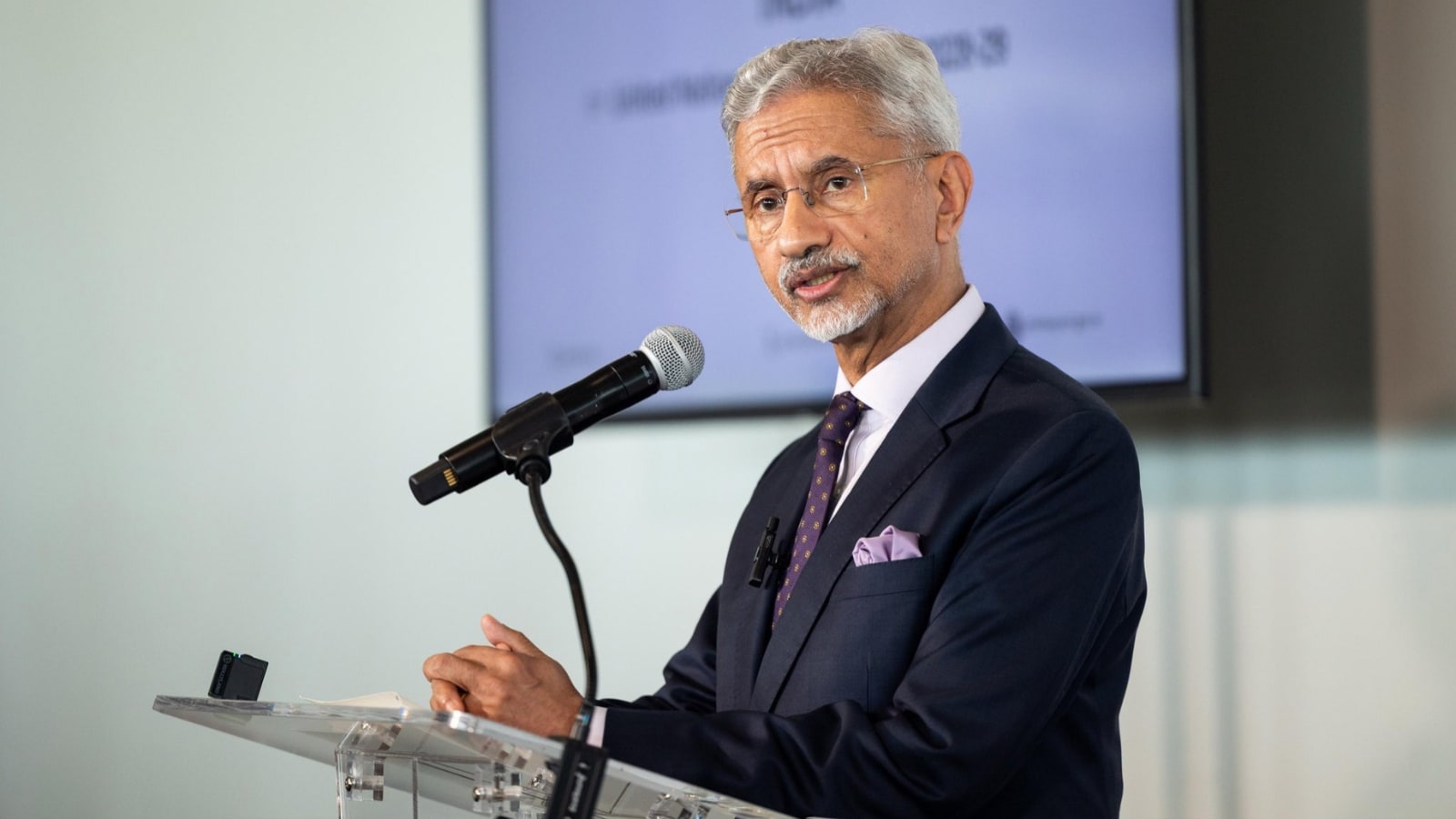
The global economy is breaking down in slow motion, and most major trading blocs aren't prepared for what comes next. When External Affairs Minister S. Jaishankar stepped up to address the BRICS Business Forum in New Delhi, he didn't sugarcoat the state of international trade. Volatility isn't a temporary blip anymore. It's the baseline.
If you run a business or watch global markets, you already feel the friction. Geopolitical conflicts, lingering supply shocks, and climate chaos are shredding old trade routes. Jaishankar pointed straight at this reality, arguing that BRICS nations must build serious economic resilience and transparent trade practices instead of pretending things will return to normal. They won't.
The Cost of Living in a World Under Churn
Traditional economic forecasting models are failing because they assume a stable political background. That background is gone. Jaishankar noted that the global political and economic order is undergoing deep churn. When wars break out, shipping lanes close, and climate events devastate agricultural hubs, the economic fallout hits every corner of the map.
Governments and corporations spent decades optimizing supply chains for maximum efficiency rather than safety. That meant single-source manufacturing, tight inventories, and total dependence on fragile logistics networks. When shocks hit, everything snaps.
Building resilience means changing that equation entirely. Jaishankar stressed that higher economic security within BRICS must translate into genuine self-reliance. But he made a crucial distinction: self-reliance doesn't mean turning inward or putting up walls. It means strengthening the capacity to absorb shocks while staying connected and competitive on the world stage.
What Real Trade Reform Looks Like on the Ground
Talk is cheap when markets face constant disruption. What does it actually take to bulletproof cross-border commerce? Jaishankar laid out specific pillars during his address that apply directly to how modern businesses operate:
- Predictable Business Environments: Companies can't plan long-term investments when regulations shift overnight.
- Transparent Trade and Investment: Hidden barriers and unpredictable customs clearances choke growth faster than tariffs do.
- Diversified Commercial Relationships: Relying on one market or one supplier is a massive operational liability.
- Dependable Logistics: Supply networks need backup routes and localized redundancy.
For member nations, the goal is to make it dead simple for businesses to find new partners, connect supply chains, and turn national complementarities into actual commercial deals. Commerce shouldn't feel like navigating a minefield.
Technology, AI, and the New Frontier of Risk
It is not just physical supply chains facing pressure. The digital economy and artificial intelligence are scaling at breakneck speed, introducing entirely new categories of vulnerability. Jaishankar pointed out that technologies like fintech, advanced manufacturing, and digital public infrastructure open up massive productivity gains.
At the same time, they raise fierce questions about security, data standards, and trust. India's push during its BRICS chairship—focusing on initiatives like startup incubator networks and innovation funds—aims to bridge that gap. Technology can either widen the divide or act as an equalizer. The difference depends entirely on whether nations build secure, accessible frameworks from the ground up.
What Businesses Need to Do Right Now
You can't wait for international summits to fix your operational risks. If you are navigating cross-border trade or managing supply networks today, take a hard look at your exposure. Map every single tier of your supply chain. Find secondary suppliers before your primary ones fail. Build operational redundancy into your logistics, even if it costs a bit more upfront. Redundancy is insurance against catastrophe.
The era of frictionless, frictionless-by-default globalization is over. Survival belongs to the adaptable.