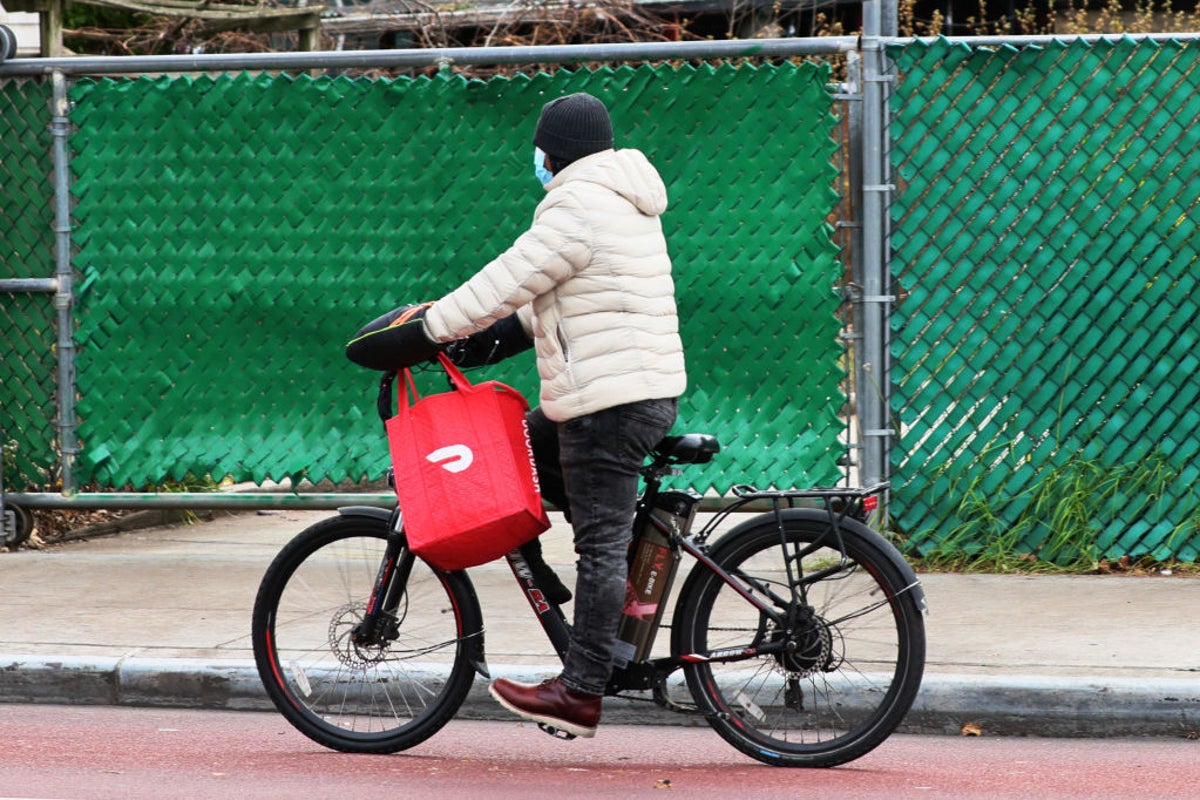
The person handing you your takeout bag tonight might just need government assistance to buy their own groceries tomorrow. Recent data paints a stark picture of modern survival. Government Accountability Office reports reveal that tech platforms like DoorDash, Lyft, and Uber now rank among the top employers of workers receiving Supplemental Nutrition Assistance Program benefits.
Forget the old narrative. App-based labor is no longer just a casual side hustle for extra vacation cash. Millions rely on it as their primary financial lifeline. Yet, it fails to cover the basic cost of living. Taxpayers are quietly footing the bill to subsidize the workforce of multibillion-dollar apps.
The Shift From Retail Giants to Tech Platforms
Back in 2020, traditional low-wage employers like Walmart and McDonald's dominated the top spots for public assistance recipients. Fast forward to today, and the landscape has completely flipped. Digital platforms have swallowed up low-income labor.
Why the rapid change? Inflation keeps rising. Traditional job options feel rigid to many workers who need immediate cash. But app-based work hides its true costs. Drivers and couriers pay for their own gas, vehicle maintenance, and insurance out of pocket. By the time those expenses clear, hourly earnings drop well below minimum wage standards.
When income plummets, the safety net steps in. Government data shows gig platforms now rank as the third-largest collective employer of workers relying on Medicaid. Public programs are effectively acting as corporate safety buffers.
Flexibility as a Double-Edged Sword
Platforms market themselves on ultimate freedom. You log on whenever you want. You log off when you're done.
That pitch hooks millions. But autonomy doesn't pay rent. Studies show that roughly half of all gig workers view this type of labor as vital for basic survival rather than flexible pocket money.
The trap lies in the hours. Unpredictable dispatch algorithms, saturated driver markets, and fluctuating tips mean earnings swing wildly from day to day. A driver might work fifty hours in a week and still clear less than local poverty thresholds. Because there's no standard employer relationship, no human resources department offers health insurance, paid sick leave, or matching retirement funds.
[Traditional Job] -> Fixed Salary + Health Benefits + Payroll Taxes
[Gig Platform]    -> Variable Fares - Vehicle Expenses - Zero Benefits = Public Subsidy Needed
The Complication of New Policy Rules
Changes to public assistance programs add more friction to an already broken system. Recent federal mandates require Medicaid recipients to log at least eighty hours of work or school monthly to maintain coverage.
Gig work technically counts toward that threshold. Proving it, however, is a nightmare. App interfaces vary wildly. Drivers don't get traditional pay stubs outlining neat hourly totals. Gathering documentation across multiple apps like Uber, Instacart, and Grubhub creates massive administrative hurdles. Thousands risk losing healthcare access simply because they cannot easily navigate bureaucratic verification systems.
Seeking Real Solutions
States are starting to push back against this externalized cost structure. Some regions experiment with portable benefits models. Under this framework, platform companies or consumers contribute small surcharges into worker-owned accounts. These funds follow the individual across different apps, helping pay for healthcare and time off.
California tried a different route with Proposition 22, aiming to supply limited earnings floors and health stipends while protecting independent contractor definitions. Enforcement remains spotty, with labor advocates pointing out that only a fraction of eligible drivers actually receive those promised stipends.
When companies treat labor flexibility as an excuse to avoid basic worker protections, the public absorbs the fallout. Tax dollars pick up the slack. Until policy forces platforms to internalize the true cost of their workforce, the grocery line will keep filling up with drivers who spend their days delivering meals they can barely afford themselves.