Italy doesn't reward the unprepared traveler. If you show up at Roma Termini thinking you'll just "figure it out," you're going to spend three times more than necessary and probably end up stuck on a regional train that stops at every literal village in Lazio. Figuring out How To Get From Rome To Florence is less about finding a path—there are dozens—and more about choosing the one that doesn't eat your entire vacation budget or your patience. Most people assume the train is the only way. They're mostly right, but the nuances between a Frecciarossa and a private driver are massive. You've got to balance speed against the desire to actually see the Tuscan countryside rather than just watching it blur past at 300 kilometers per hour.
The High Speed Rail Dominance
The iron backbone of Italian travel is the high-speed line. It's fast. It's efficient. It's usually on time, despite what the old stereotypes about Italian bureaucracy might tell you. You have two main players here: Trenitalia and Italo. They're rivals. This competition is great for you because it keeps prices somewhat sane, though "sane" is a sliding scale.
Trenitalia and the Frecciarossa
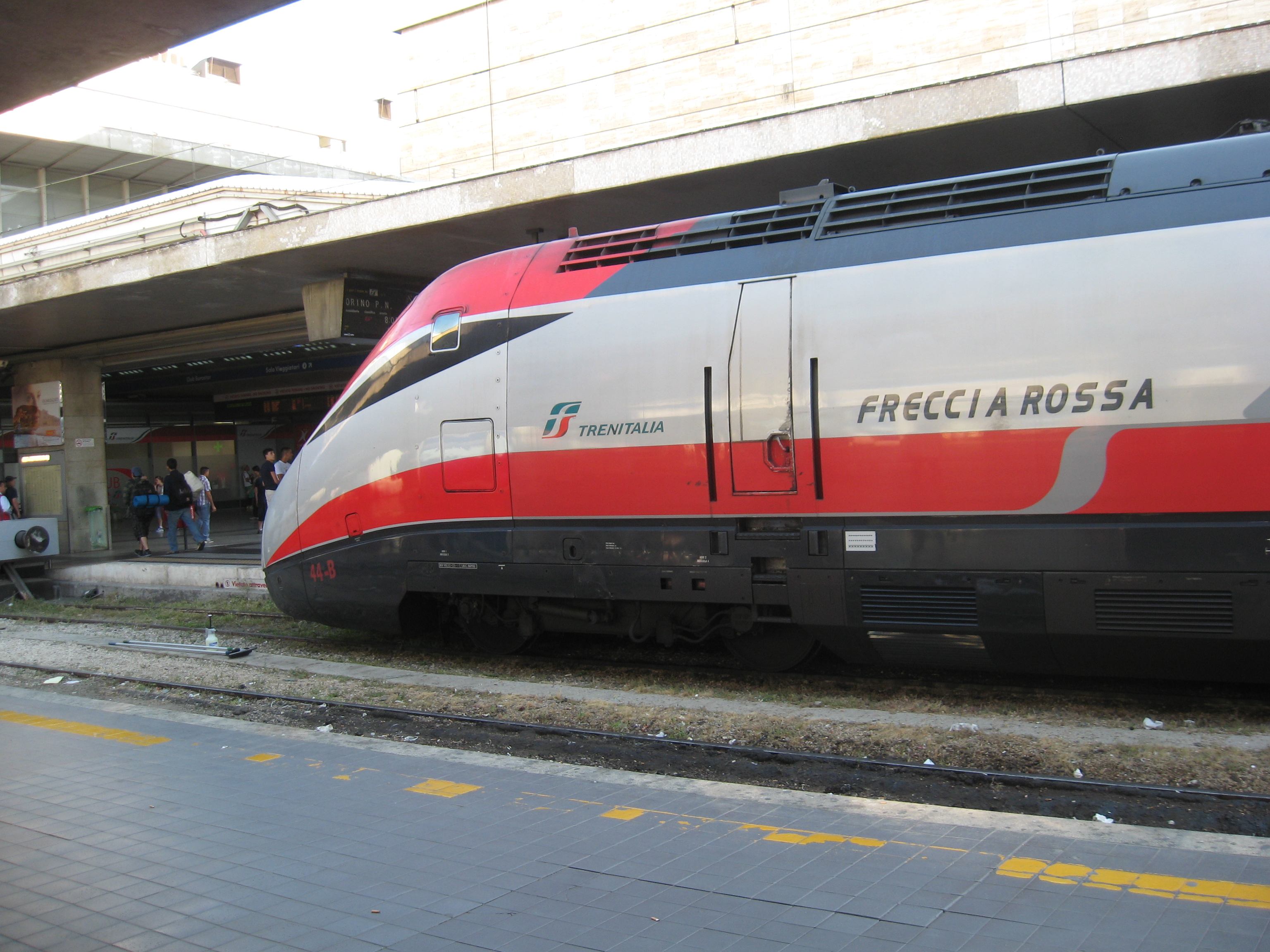
Trenitalia is the state-owned giant. Their top-tier service is the Frecciarossa. These trains are sleek, red, and reach speeds that make your ears pop in the tunnels. They run from Roma Termini or Roma Tiburtina directly to Firenze Santa Maria Novella. The journey takes about an hour and 30 minutes.
I've sat in every class on these trains. Standard is fine. Business is better if you want a little more elbow room and a complimentary drink that’s usually a lukewarm espresso or a tiny juice box. The real trick is booking on the Trenitalia official site at least three weeks out. If you wait until the day of, you’ll pay the "Base" fare, which can hit 50 or 60 Euros. Book early, and you might snag a "Super Economy" ticket for 19 Euros.
Italo Treno
Italo is the private alternative. Their trains are burgundy and feel a bit more like a modern sports car inside. Some people swear by their "Prima" class, which offers leather seats and decent Wi-Fi. Italo often runs aggressive sales. If you're planning your trip months in advance, sign up for their newsletter. They regularly blast out promo codes for 30% or 40% off. Their main hub in Rome is also Termini, but they have a heavy presence at Tiburtina too. Don't overlook Tiburtina; it's often less chaotic than the main station.
How To Get From Rome To Florence By Car
Maybe you hate schedules. Maybe you have four suitcases because you overpacked for the cobblestones. Driving from Rome to Florence is a choice, but it's one fraught with "ZTL" zones and aggressive tailgating. The drive takes about three to three and a half hours via the A1 motorway, also known as the Autostrada del Sole.
The Rental Reality
Renting a car in central Rome is a nightmare. Don't do it. If you must drive, pick up your rental at Fiumicino Airport (FCO) or a location on the outskirts. Driving out of the city center involves navigating restricted traffic zones where cameras catch your license plate and mail you a 100-Euro fine six months after you get home. It sucks.
Once you’re on the A1, it's a straight shot north. You'll pay tolls. These are calculated by distance. You take a ticket when you enter and pay when you exit. Keep some cash or a contactless card handy. The scenery on the highway is okay, but you're mostly looking at sound barriers and gas stations called Autogrill. Speaking of Autogrill, they actually serve surprisingly good pasta and sandwiches. It's a weird Italian quirk.
Hiring a Private Driver
If you have the money and want zero stress, a private transfer is the luxury route. It’s expensive. Expect to pay anywhere from 400 to 600 Euros. Why would you do this? Because a driver can stop in Orvieto or Montepulciano on the way. You turn a transit day into a sightseeing day. You get picked up at your hotel door and dropped off at your Airbnb in Florence. No hauling bags across train platforms. For many, that's worth the premium.
Regional Trains and the Slow Path
Not everyone is in a rush. If the high-speed prices are through the roof, you can look at the Regionale Veloce trains. These are the workhorses of the rail system. They don’t require seat reservations. You just buy a ticket and hop on.
The Tradeoffs of Going Slow
The price is fixed. It’s usually around 22 Euros. It won't change whether you buy it today or in an hour. The downside? It takes nearly four hours. There’s no air conditioning sometimes. Or it’s blasting so hard you freeze. There’s no trolley service for food. You’re stopping in places like Chiusi-Chianciano Terme and Arezzo. If you're a student on a budget, this is your move. If you're on a week-long honeymoon, skip it. Your time is worth more than the 20 Euros you'll save.
Validating Your Ticket
This is the biggest mistake tourists make. If you buy a paper regional ticket at a machine, you must validate it in the little green or yellow machines on the platform before boarding. If you don't, the conductor will treat you like a criminal. They'll fine you on the spot. It’s a harsh welcome to Italy. If you buy a digital ticket on the app, you usually just have to "check in" on your phone. Read the fine print.
Taking the Bus
Yes, there is a bus. FlixBus and Itabus operate this route. It is consistently the cheapest way to travel. I've seen tickets as low as 5 Euros. The bus leaves from the Tiburtina bus station, which is a bit gritty but functional.
The trip takes about 3.5 to 4 hours. The buses are generally modern with power outlets and Wi-Fi that works about half the time. It’s a great option if the trains are sold out due to a strike or a holiday. Just be prepared for traffic. Entering Florence by road in the afternoon can be a crawling mess. The bus drops you off at Villa Costanza or near the Guidoni tram stop, not right in the heart of the city. You’ll need to take a tram to get to the Duomo area.
Navigating the Stations
The logistics of the stations themselves can be overwhelming. Roma Termini is a city within a city. It’s massive. It’s loud. It’s full of people trying to "help" you with your luggage for a tip. Ignore them. Hold onto your bags.
Arrival in Florence
When you arrive at Firenze Santa Maria Novella (SMN), you're right in the thick of it. You can walk to the Duomo in ten minutes. If your hotel is across the river in Oltrarno, grab a taxi. The taxi stand is right outside the station to the left. Don’t bother with Uber; it’s mostly just "Uber Black" and it’s way more expensive than a standard white taxi.
Understanding the Platforms
In Italy, the platform is called the "Binario." At Termini, some platforms (like Binario 1 Est or those in the 20s) are a massive walk from the main entrance. Give yourself 20 minutes just to find your train. Don’t trust the big departure board until about 10 or 15 minutes before departure. That’s when the platform number finally pops up. Everyone will suddenly start sprinting toward it. Just join the herd.
Timing and Strikes
Italy loves a good "sciopero" or strike. They usually happen on Fridays. They’re often announced in advance on the Ministry of Infrastructure and Transport website. High-speed trains are generally "guaranteed" during certain peak hours, but regional trains will just stop existing for the day. If a strike is called, move your travel to Thursday or Saturday. Don't try to be the hero who makes it through.
Seasonal Fluctuations
Summer is brutal. July and August see the trains packed to capacity. The air conditioning struggles. If you're traveling during these months, the high-speed train is mandatory just for the relative comfort. In the shoulder season like October or April, the experience is much more pleasant. You can actually see the window without someone’s backpack in your face.
Comparison of Methods
When deciding How To Get From Rome To Florence, you have to look at the total cost of your time.
The high-speed train is the undisputed king. You spend 90 minutes and roughly 30-50 Euros. The bus is the budget king at 10 Euros but costs you half a day. Driving is only for those doing a multi-day Tuscany road trip.
One thing people forget is the airport. If you're flying into Rome and want to go straight to Florence, there are a few direct high-speed trains from FCO airport to Florence. They're rare but incredibly convenient. If the timing doesn't work, take the Leonardo Express train to Termini and switch there. It's a 32-minute shuttle that runs every 15 minutes.
Practical Steps for Your Trip
- Download the apps. Get the Trenitalia and Italo apps on your phone now. Don't wait until you're standing on the platform with spotty Wi-Fi. Create an account so your tickets are saved digitally.
- Check your station names. Ensure you're booking Roma Termini to Firenze S. M. Novella. If you accidentally book "Firenze Rifredi" or "Firenze Campo di Marte," you'll be a long way from the tourist center.
- Pack light. Italian trains have overhead racks, but they aren't huge. If you're bringing a massive suitcase, you'll have to leave it in the luggage racks at the end of the car. These fill up fast. If you're late to the train, you might end up standing with your bag in the vestibule.
- Validate everything. If you have a physical ticket for a regional train or a bus, find the machine and punch it. The "I didn't know" excuse doesn't work with Italian inspectors.
- Watch the boards. Platform numbers can change last minute. Stay near the monitors.
- Avoid the "helpful" locals. Anyone approaching you at the ticket machine or offering to carry your bag is looking for money. A polite but firm "No, grazie" is all you need.
Travel in Italy is a skill. The first time you navigate the transition from the chaos of Rome to the Renaissance beauty of Florence, it feels like a victory. Stick to the high-speed rail if you can afford it. It's the most "Italian" way to travel—fast, slightly dramatic, and incredibly stylish. If you're on a shoestring, the bus will get you there, but you'll miss that specific thrill of watching the speedometer hit 300 while you sip a tiny coffee. Whatever you choose, get your tickets early. The days of showing up and getting a cheap seat are long gone. Plan ahead, keep your eyes on your bags, and enjoy the ride.