Germany's political center is facing a brutal reckoning. If you've been watching European politics, you know the Alternative for Germany, or AfD, didn't just win a regional election in Saxony-Anhalt — they completely upended the country's political baseline.
Chancellor Friedrich Merz thought he could weather the storm. He was wrong.
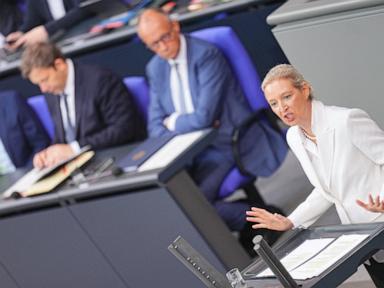
When AfD co-leader Alice Weidel stepped up to the podium during the annual budget debate in the Bundestag, she didn't mince words. She told the chancellor that voters hadn't just punished his Christian Democratic Union; they had pulverized it. The CDU saw its support cut roughly in half during the Sunday vote, exposing deep-seated public fury over a sluggish economy and federal immigration policies.
Merz fired back immediately, calling the party a destructive force and insisting they'll never secure a national majority. But his defensive posture isn't fooling anyone. When a major party loses half its voters in a core stronghold, telling people your rivals can't win federally sounds less like strategy and more like whistling past the graveyard.
The Real Drivers Behind the AfD Momentum
Why are voters abandoning the traditional parties in droves? It's simple. People are tired.
For years, mainstream politicians dismissed the rise of populist movements as a temporary protest vote tied exclusively to immigration fears. That excuse expired on Sunday. While curbing immigration remains a cornerstone of the AfD platform, their recent triumph in Saxony-Anhalt tapped into broader economic anxieties.
Inflation, sluggish growth, and a federal government that feels completely disconnected from everyday working-class struggles have created a toxic mix for the ruling coalition. Voters aren't just angry about borders; they're angry about their grocery bills, energy costs, and a general sense that the country is drifting backward.
And the political shockwaves aren't staying contained within German borders. Across Europe, right-wing factions are celebrating the result. Even U.S. President Donald Trump took to social media to praise the populist surge, pointing directly to immigration frustration as the catalyst. When international heavyweights start cheering on domestic German political earthquakes, you know the stakes have shifted.
The Dangerous Clash Over Foreign Policy and Language
The rhetoric inside the Bundestag has turned toxic, and the policy divide is widening by the day.
During the parliamentary showdown, Merz didn't just attack the AfD's domestic positions; he slammed their stance on Ukraine and their use of explosive political terminology. The chancellor accused Weidel and her colleagues of spinning a grotesque inversion of perpetrator and victim regarding Russia's war, pointing to recent security threats like an attempted drone attack at the Leipzig/Halle airport.
At the same time, Merz drew a hard line against the AfD's favorite buzzword: "remigration."
He labeled the term a transparent synonym for ethnic cleansing based on skin color and origin. He warned that actually implementing such policies would instantly paralyze vital sectors like healthcare, nursing homes, and hospitality.
Yet, the government's own tough talk on increasing deportations creates a muddy message. Merz insists his coalition wants to deport individuals without a legal right to stay while welcoming productive foreign workers. Critics argue that fine distinction gets lost in translation when the entire political spectrum starts racing to prove who can talk toughest on border enforcement.
What Happens Next on the Electoral Calendar?
The pressure on Merz won't let up anytime soon. In fact, things are about to get much worse before they get better.
Two critical state elections loom on September 20: Berlin and Mecklenburg-Western Pomerania. Mecklenburg-Western Pomerania is an eastern state where the AfD historically commands intense loyalty and the CDU has traditionally struggled. If the center-right takes another beating there, calls for a change in national leadership will shift from quiet grumbling to open rebellion.
You're watching a slow-motion transformation of the European political map. Mainstream parties can't simply legislate away public discontent by calling their opponents names. Until Berlin figures out how to fix a stagnant economy and address voter anxiety without resorting to defensive platitudes, the populist wave will keep rising.
Keep a close eye on the September 20 ballots. They will reveal whether the political establishment has learned anything at all, or if they're simply waiting for the next landslide to hit them.