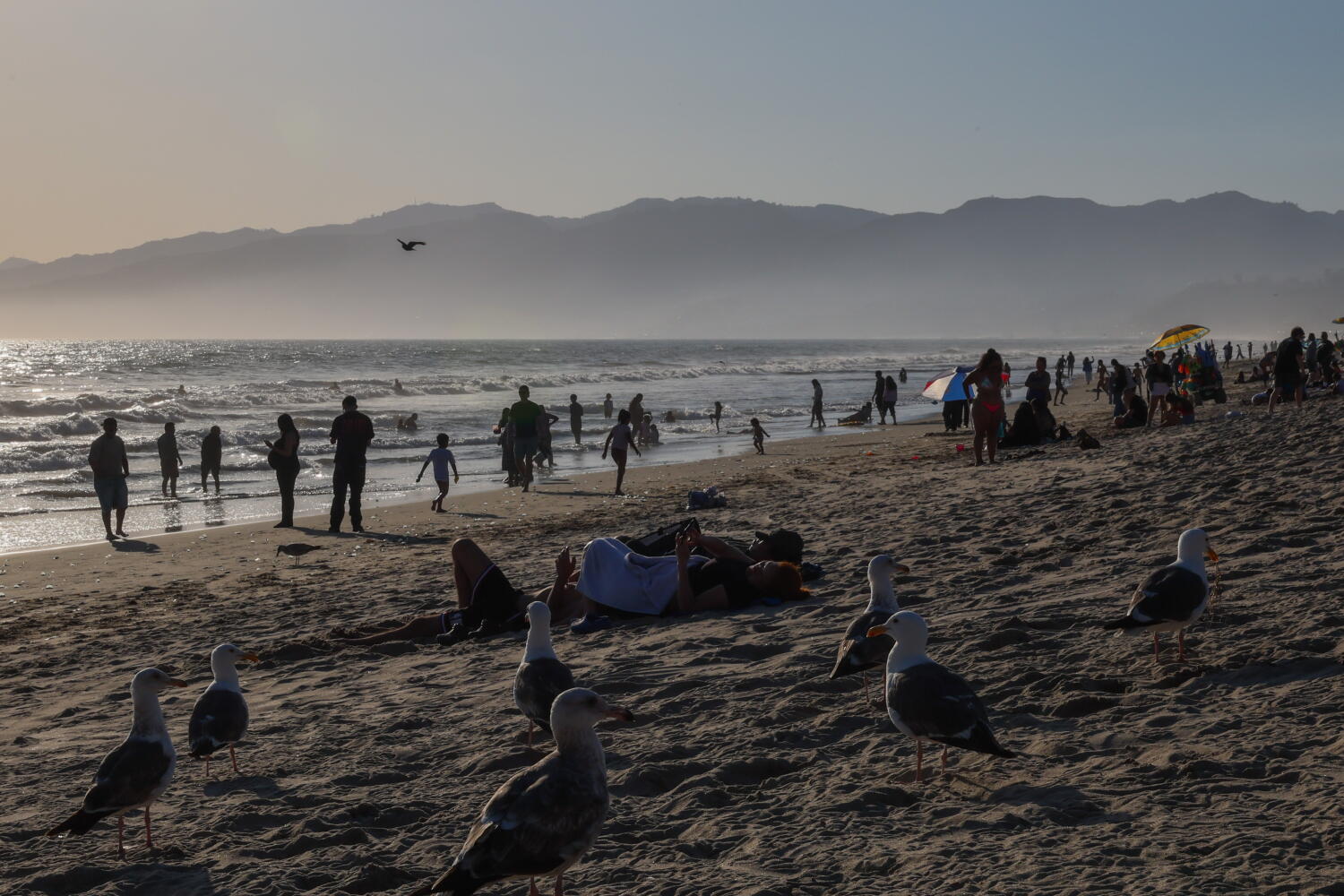
The California coast is never truly safe. It is always being defended.
That old truth rings loud whenever politicians think nobody is watching the shoreline. Governor Gavin Newsom recently tested that rule with a classic late-night legislative maneuver, pushing an eleventh-hour carve-out designed to bypass the California Coastal Act for a high-profile donor. It was a blatant political favor disguised as routine policy. Discover more on a connected subject: this related article.
Then the public backlash hit like a rogue wave, forcing a hasty retreat.
The Backdoor Deal That Stank of Favoritism
As the legislative session wound down, reports broke about a draft budget trailer bill. This sneaky proposal aimed to exempt a massive mixed-use project on the Santa Monica oceanfront from regular environmental oversight by the California Coastal Commission. Additional reporting by Reuters delves into comparable perspectives on this issue.
The intended beneficiary? A prominent real estate developer who happens to be a major campaign donor and a Newsom appointee. The $350 million project, originally envisioned by the late architect Frank Gehry, had already gone through standard approvals years prior after agreeing to fund local housing and infrastructure.
Rewriting state law at the eleventh hour just to hand a special favor to a well-connected ally crosses a major line. Environmental advocates and everyday coastal defenders reacted with immediate fury. They recognized the maneuver for what it was. A shameful political gambit that threatened to punch a hole straight through the state's most prized environmental safeguard.
Why the California Coastal Act Matters
Half a century ago, citizens fought hard to establish the California Coastal Act. They looked at the concrete wall of private development blocking public access to the Pacific and said enough is enough. The resulting law created the California Coastal Commission to protect public access, marine habitats, and delicate shorelines from unchecked commercial greed.
It is not an anti-development tool. Thousands of projects pass through the commission every year. The system works because it forces developers to negotiate, reduce environmental harm, and protect wildlife habitats.
When a governor tries to bypass that entire framework for a favored friend, it undermines the integrity of the whole system. If an exception is made for a wealthy donor in Santa Monica, the floodgates open for every developer with deep pockets and political connections.
The Quick Retreat
Faced with mounting public outrage and fierce pushback from environmental groups, the governor's office backed off. The eleventh-hour exemption was dropped.
It's a rare and welcome victory for public transparency. Too often, special interests win these quiet backroom fights because regular people are too busy working to track obscure budget trailer bills. This time, watchdogs and local advocates sounded the alarm early enough to stop the damage.
Yet the episode leaves a bitter aftertaste. It proves that vigilance remains the absolute price of admission for anyone who cares about the Pacific shoreline. Powerful politicians will always look for loopholes to reward their friends.
Protecting the coast means watching the statehouse just as closely as you watch the tidelands. Stay sharp, speak up, and never assume your elected officials won't try to trade away public trust for political convenience.