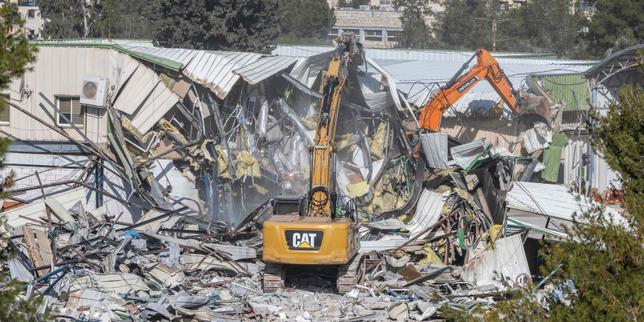
Mounting mountains of debris across the Gaza Strip hide more than just broken concrete and twisted metal. They conceal thousands of human bodies and vital forensic traces. When UN Special Rapporteur Francesca Albanese sounded the alarm regarding the systematic clearance of rubble, she pointed to a crisis that goes far beyond urban reconstruction. Clearing these sites too quickly risks wiping away the physical proof required for international war crimes investigations.
If you are wondering why moving broken buildings matters to global justice, the answer sits right beneath the dust. Learn more on a connected issue: this related article.
The Race Against Time Beneath the Ruins
Thousands of people remain missing under the collapsed structures of Gaza. Palestinian estimates suggest that more than 10,000 individuals are still trapped beneath the debris, their fates unknown. When heavy machinery moves in to crush, clear, and transport these remains without proper forensic oversight, the window for identification closes permanently.
Albanese highlighted credible intelligence indicating that large-scale rubble removal operations are actively altering crime scenes. Without independent international monitors or forensic experts supervising the process, valuable ballistic, biological, and structural evidence vanishes into landfills and reconstruction fill. Further analysis by USA Today explores comparable views on this issue.
Civil defense teams inside Gaza face an impossible burden. Operating without adequate heavy equipment or specialized tools, local crews estimate that recovering the dead properly could take years. Contrast that with rapid, military-controlled clearance efforts, and you see the core conflict. Speed destroys what patience could preserve.
Who Bears the Legal Risk
Destroying evidence of atrocity crimes is illegal under international law. But the warning issued by the UN rapporteur targets a broader group than just military commanders on the ground.
State actors and private corporate contractors involved in managing, funding, or executing debris removal could face criminal exposure. Participating in the obliteration of protected sites—especially those under international court orders to preserve evidence—carries heavy legal consequences.
Companies selling heavy machinery or contracting for large-scale reconstruction work are suddenly caught in a geopolitical minefield. Compliance isn't just about obtaining local permits anymore. It requires verifying whether ongoing operations violate international standards for preserving crime scenes.
What Needs to Happen Next
Protecting the historical and legal record of what happened in Gaza requires immediate structural changes on the ground.
- Grant immediate access to international forensic teams and independent investigators.
- Halt unsupervised commercial crushing and hauling of debris in contested zones.
- Supply local civil defense units with the proper excavation tools needed for careful recovery.
- Document every site meticulously before heavy clearance equipment alters the landscape.
Justice delayed is often justice denied, but justice bulldozed leaves no trail to follow at all.


:max_bytes(150000):strip_icc()/copenhagen-dk-COPENHAGENTG0721-4a481cb6025b43d1a781b1571b144f46.jpg)