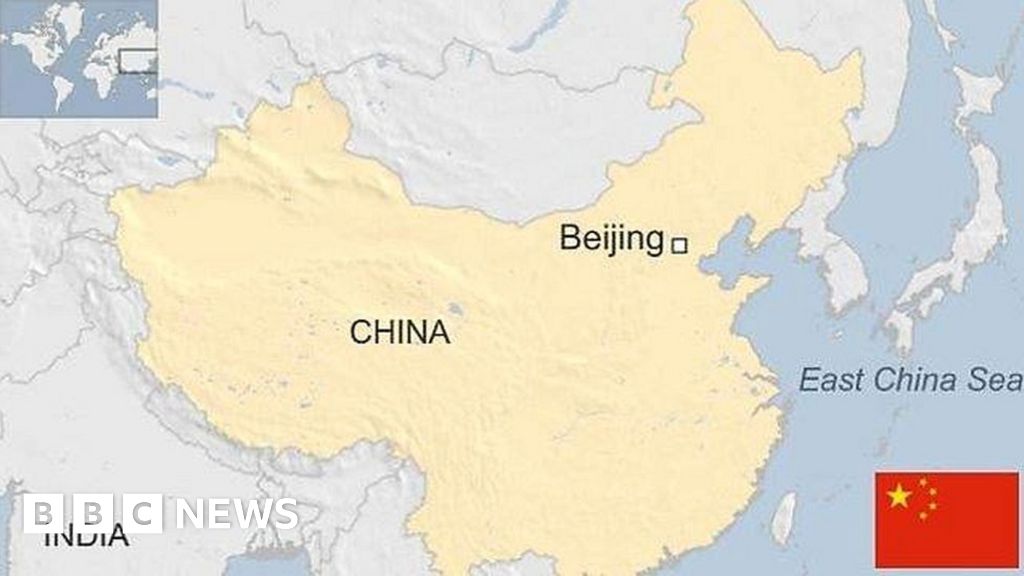
Paris just declared open season on cheap clothing, and Beijing isn't staying quiet about it.
France's new anti-ultra-fast-fashion law targets low-cost retail giants like Shein, Temu, and AliExpress with heavy financial penalties and strict advertising bans. French lawmakers framed the legislation as an environmental rescue mission to curb the staggering ecological footprint of disposable garments. China's Ministry of Commerce sees it differently, calling the rules a protectionist trade barrier disguised as green policy. For a different perspective, check out: this related article.
If you look past the political posturing, this clash exposes a massive split over who gets to dictate the future of global retail.
The Mechanics of the French Law
France didn't just pass a symbolic policy. The legislation hits budget-conscious retail models right where it hurts. Similar insight on the subject has been shared by Reuters.
Under the newly implemented rules, companies classified as ultra-fast fashion face escalating penalties, ranging from initial fees per clothing item up to steeper charges projected for 2030. The law also bans advertising for these brands completely and blocks influencers from promoting their micro-trend hauls, threatening non-compliant creators with hefty fines up to €100,000.
Lawmakers in Paris argue that consumers need protection from an endless cycle of cheap, poor-quality polyester items that end up in landfills almost immediately. Brands must now disclose manufacturing origins transparently and absorb higher extended producer responsibility eco-contributions.
Why Beijing Calls Foul
China's commerce ministry didn't mince words. Officials in Beijing labeled the restrictions "clearly discriminatory" and accused France of using environmental criteria as a smokescreen for trade protectionism.
From Beijing's perspective, the legislation deliberately targets cross-border e-commerce powerhouses originating from China while sparing domestic or legacy Western brands with similar high-volume supply chains. Ministry spokeswoman Huang Ling warned that if France refuses to halt the law, Beijing will take necessary measures to protect the legitimate rights and interests of Chinese enterprises.
World Trade Organization rules are at the center of the dispute. China argues that applying punitive measures tailored to high-turnover online models violates the core principle of non-discrimination in international trade.
The Consumer Reality Check
You might wonder how this affects everyday shoppers who rely on budget platforms to stretch household budgets.
Inflation has squeezed disposable income across Europe. When a basic t-shirt or pair of trousers costs a fraction of what traditional high-street retailers charge, budget apps become a lifeline for price-sensitive buyers. Critics of the French law argue that penalizing low-cost platforms effectively punishes lower-income consumers under the banner of ecological awareness.
On the flip side, supporters point out that the true cost of ultra-cheap fashion is deferred to the environment. Cheap synthetic textiles shed microplastics into water systems, and the sheer volume of discarded clothing creates waste management crises across Western Europe.
What Happens Next
This battle isn't staying inside French borders. It's setting a dangerous precedent for how European Union member states might handle foreign e-commerce platforms moving forward.
If other nations copy the French playbook, cross-border digital retail could face a fragmented landscape of protectionist hurdles. Meanwhile, China has already begun reviewing subsidies and operations of certain European firms within its own borders, raising the stakes for a broader trade dispute.
You're watching a fundamental shift in how physical borders regulate digital commerce. Sustainability goals and geopolitical competition are colliding, and neither side is willing to back down.
Check out this French parliament passes fast-fashion law to curb Shein and Temu report to understand the parliamentary debate behind the legislation.
http://googleusercontent.com/youtube_content/1