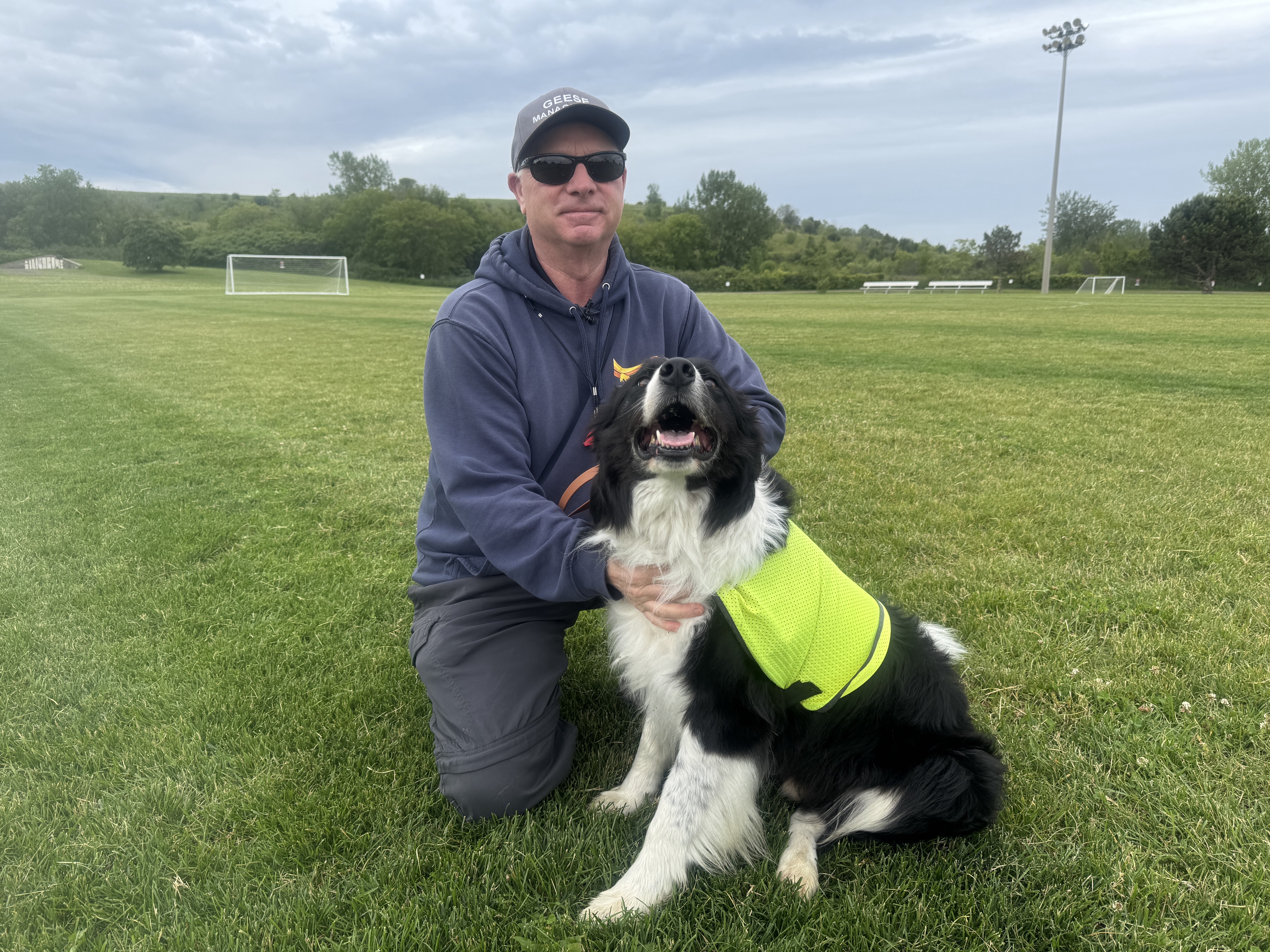
World-class soccer players expect perfection when they step onto a training pitch. They want a surface like a pool table. No divots. No uneven patches. And definitely no goose droppings.
Canada geese love soccer fields. To a goose, a perfectly manicured, highly fertilized patch of open grass is an all-you-can-eat buffet combined with a safe zone where predators can't sneak up on them. But when a major tournament like the FIFA World Cup comes to town, these birds become a multi-million-dollar liability. Don't miss our earlier coverage on this related article.
That's why organizers had to bring in a specialized team. Not mechanical drones or chemical sprays. They hired trained herding and bird dogs specifically tasked with keeping these high-stakes pitches completely clear of avian intruders. It sounds bizarre, but it's the only method that actually works.
The Massive Headache of Goose Management on Elite Turfs
If you've ever walked through a public park in North America, you know how messy geese get. Now imagine that mess on a pitch meant for international superstars. If you want more about the context here, The Athletic offers an informative summary.
A single goose can poop up to two pounds a day. Multiply that by a flock of fifty or a hundred birds resting on a field overnight. By sunrise, the entire playing surface turns into a hazardous obstacle course. It isn't just gross for a sliding tackle. It's a legitimate health and safety issue.
Goose droppings contain bacteria like E. coli, Salmonella, and Campylobacter. When players run, slide, and fall on the grass, they risk infection if they have open cuts or if they wipe their faces. For an elite athlete earning millions, a sudden stomach bug or an infected scrape caused by field contamination can sideline them before a crucial match.
The damage goes way beyond health risks. The birds ruin the actual grass.
- Acidic destruction: Their droppings are highly acidic. They scorch the tender blades of expensive turf grass, leaving ugly brown patches that ruin the ball's roll.
- Soil compaction: Geese have heavy webbed feet. Hundreds of them walking over wet turf compact the soil, killing the root system and preventing proper drainage.
- Root tearing: Unlike lawnmowers that slice grass cleanly, geese pull and rip the grass by its roots, physically destroying the flat structure required for professional soccer.
Why Plastic Owls and Lasers Fail Every Single Time
Groundskeepers have tried every trick in the book to scare birds away. Most of those methods are a complete waste of money.
Plastic decoy owls don't work. Scarecrows don't work. Propane cannons work for about three days until the birds realize the loud noise doesn't actually hurt them. Geese are incredibly smart. They quickly figure out when a threat is fake. If a plastic coyote sits in the exact same spot for forty-eight hours, the geese will eventually walk right up to it and graze next to it.
Strobe lights and green lasers sometimes work at night, but they do nothing during the day when the birds want to feed. Chemical deterrents that make the grass taste bad are expensive, require constant reapplication after rain, and can alter the texture or safety of the pitch for the athletes.
You can't build fences around a massive training complex because it interferes with operations, looks unprofessional, and doesn't stop birds from simply flying over the top. When traditional landscaping tactics hit a wall, you have to bring in something that triggers a bird's core survival instincts.
Enter the Canine Air Patrol
The dogs brought in for these high-profile FIFA training sites aren't random pets. They are highly disciplined working animals, often Border Collies or specific gun dog breeds, trained by wildlife management professionals.
Border Collies are the gold standard for this job. They possess a unique trait known as the herding eye. They crouch low, lock their gaze on the flock, and creep forward silently. To a Canada goose, this exact movement mimics an apex predator like a wolf or a coyote. It triggers an immediate, primal flight response.
The genius of using these dogs lies in how they manage the birds without violating conservation laws. Canada geese are heavily protected under international treaties, including the Migratory Birds Convention Act. You cannot harm them, you cannot destroy their nests without strict permits, and you cannot let a dog attack them.
The handlers train these dogs to chase and herd, never to catch or bite. The goal is simple psychology. The dog creates an atmosphere of total insecurity.
When a flock lands on a pitch and a dog immediately forces them into the air, the birds learn something very fast. They realize this specific field is a dangerous place to rest. If the dog returns multiple times a day at unpredictable intervals, the geese eventually give up and find a quieter, safer pond down the road.
The Operational Grind Behind a Pristine Pitch
Keeping a field clean for international teams isn't a one-and-done task. It requires a relentless schedule.
Handlers usually arrive before dawn, right when geese look for their morning feeding grounds. A clean sweep ensures that when the ground crews roll out to mow and line the pitches at 7:00 AM, the turf is completely clear.
The dogs patrol throughout the day, especially during the quiet windows between team training sessions. If a pitch sits empty for two hours, that's all the time a flock needs to drop in and ruin a morning's worth of landscaping work.
Handlers track the movement patterns of local flocks using simple data. They note which directions the birds fly in from, what times they prefer, and how wind conditions affect their flight paths. It's a calculated chess match played against wild animals.
How to Apply Professional Bird Management Techniques to Your Own Fields
You probably don't have the budget of an international sports organization, but if you manage a local soccer club, a golf course, or a school district facility, you can still use these exact principles to fix your bird problem.
Assess the Real Attraction
Geese want three things: short green grass to eat, a wide open view to spot predators, and a nearby body of water to escape into. If you change even one of these factors, your field becomes significantly less appealing.
Grow the Perimeter
If your field borders a pond or a ditch, stop mowing the grass right up to the water's edge. Leave a buffer strip of tall, native grasses or shrubs at least three feet wide. Geese hate walking through tall vegetation because they worry predators are hiding in it. They will avoid jumping from the water onto your fields if they have to push through thick brush.
Run an Unpredictable Schedule
If you use a dog to clear your local fields, don't do it at the exact same time every day. Walk your dog across the property at 6:00 AM one day, 2:00 PM the next, and dusk the day after that. Total unpredictability prevents the birds from scheduling their feedings around your routine.
Implement a Clear Protocol for Staff
Make sure anyone working on your facility knows the rules of engagement. Never allow staff to feed wild waterfowl. Ensure all trash cans near spectator stands have heavy, secure lids so birds can't scavenge leftovers.
The battle for a clean pitch comes down to consistency. Professional teams rely on canine patrols because nature always finds a way to exploit an empty, quiet piece of land. By keeping the pressure on and using instinctive predator behavior, you can protect your grass and keep your players safe from an absolute mess.