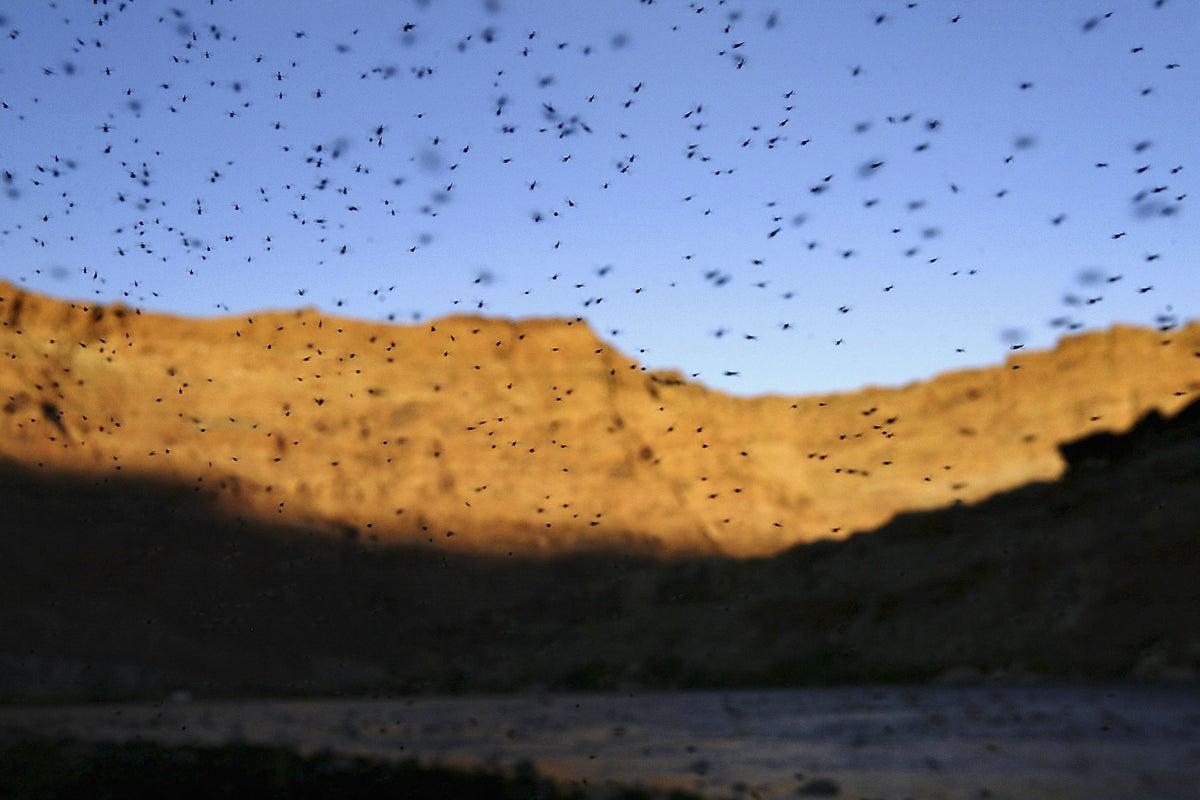
If you haven't needed bug spray this summer, don't celebrate just yet. Across parts of the US, populations have crashed. States like Minnesota and parts of Colorado report a 50 to 70 percent drop in mosquito numbers. Puddles are dry. Backyard decks are actually usable.
It sounds like a backyard win. But public health experts are deeply worried.
Fewer mosquitoes don't mean lower danger. In fact, the exact opposite is happening.
The Science Behind the Crash
Mosquitoes need standing water to breed. Females lay eggs in puddles, clogged gutters, and shallow ponds.
A severe drought sweeping through the West and Midwest changed that equation. With little rain, the breeding grounds dried up completely. Eggs couldn't hatch. Larvae died before maturing.
This is a classic ecological shock. But nature rarely follows simple rules. When one variable drops, the rest of the ecosystem shifts in unexpected ways.
Why Fewer Bugs Mean Higher Disease Risk
You might assume that fewer bugs equal fewer bites and zero disease. That logic falls apart when you look at West Nile virus data.
Case numbers are running way ahead of historical averages. Why? Concentration.
When a drought hits, water sources shrink. Birds and mosquitoes are forced to share the same dwindling puddles, irrigation ditches, and backyard birdbaths.
- The Crowding Effect: Birds are primary hosts for West Nile virus.
- The Vector Match: Mosquitoes gather at the exact same water sources.
- The Transmission Spike: A mosquito bites an infected bird, gets the pathogen, and passes it along to humans much faster because everyone is packed tightly together.
A peer-reviewed study published in the journal Proceedings of the Royal Society B confirmed this exact phenomenon. Drought conditions paradoxically drive up West Nile infection rates even as total insect headcounts plummet.
The Longer Picture
This isn't an isolated fluke. Climate data shows a longer trend at play.
Research from Climate Central tracks what they call "mosquito disease days." These are days with temperatures and humidity levels optimal for virus transmission. Across 95 percent of major US cities analyzed, these windows have expanded by nearly 18 days on average since the 1970s.
Summers are staying warmer later into autumn. Spring arrives earlier. When rain eventually returns to drought-stricken regions, those surviving populations bounce back aggressively.
What You Should Do Now
Stop letting a quiet yard fool you. Public health guidelines remain strict for a reason.
- Check Your Yard: Even during a drought, outdoor AC units, pet bowls, and forgotten flower pots collect enough moisture to spawn thousands of insects. Dump them weekly.
- Wear Repellent: If you live in a high-risk zone—especially states tracking elevated West Nile numbers like Arizona, Colorado, or Utah—use bug spray containing DEET or oil of lemon eucalyptus.
- Cover Up at Dusk: Culex mosquitoes, the primary carriers of West Nile, feed aggressively at dawn and dusk.
Don't let a dry summer lower your guard. The silence outside is deceptive.