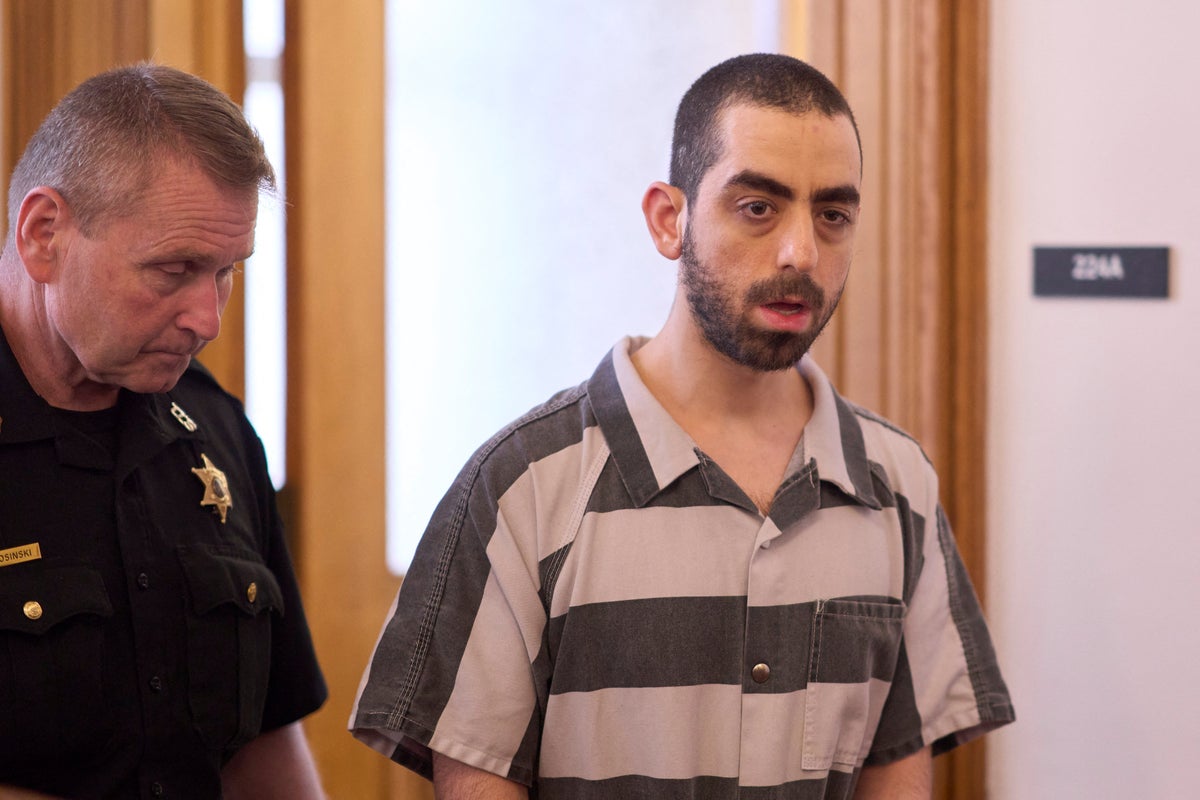
Justice moves slowly. Sometimes, it takes years to catch up to an act of pure violence. A federal jury just convicted Hadi Matar on terrorism charges for brutally stabbing author Salman Rushdie on a stage in western New York back in August 2022.
If you followed the initial state trial, you already know Matar was sentenced to 25 years in prison for attempted murder. But this new federal conviction hits differently. It upgrades a horrific local crime into what it actually was: an act of transnational terrorism.
The Reality of the Verdict
The jury didn't buy the defense's arguments. Matar, now 28, sat through the federal proceedings while prosecutors laid out a chilling blueprint. They showed how the attack wasn't just a random outburst of anger. It was tied directly to the decades-old fatwa issued by Iran following the publication of The Satanic Verses.
Matar declined to take the stand. His defense attorney, Nathaniel Barone, argued that the government lacked concrete proof of what was actually inside his client's head. Jurors disagreed. They convicted Matar on all counts, including engaging in an act of transnational terrorism.
This federal verdict carries a potential life sentence. For a crime that left Rushdie permanently blinded in his right eye and severely wounded with 15 stab wounds, the legal system is finally naming the ideological machinery behind the blade.
Understanding the Motive and the Evidence
People often ask how a young man born decades after the initial 1989 fatwa could carry out such a targeted strike. The trial answered that question with digital footprints.
Prosecutors presented evidence that Matar communicated with contacts linked to Hezbollah. They showed he consumed extremist propaganda and actively investigated whether the death sentence placed on Rushdie by Ayatollah Ruhollah Khomeini was still active.
When Rushdie stepped onto the stage at the Chautauqua Institution to talk about writer safety, he expected a routine intellectual discussion. Instead, he faced a sudden assault that he later described in court testimony as a moment where he knew he was dying.
What This Means for Free Speech and Security
We tend to think of censorship as books being pulled from library shelves or social media accounts getting banned. This case reminds us that censorship still takes physical, bloody forms.
Rushdie lived under police protection for years after The Satanic Verses was published in 1988. He eventually stepped back into normal public life, believing the storm had passed. The 2022 attack shattered that illusion.
Yet, resilience defines the aftermath. Rushdie returned to writing, publishing his memoir Knife about the recovery process, and adapting his life to physical limitations like reading on adjusted tablet screens. He didn't back down.
The federal terrorism conviction sends a loud message to anyone willing to act on old bounties or foreign decrees on Western soil. Borders do not protect you when you engage in state-sponsored or ideologically driven violence.
Expect harsher scrutiny on networks that radicalize individuals online. Watch for tighter legal definitions regarding how modern terrorism reaches across oceans to target specific writers, dissidents, and free thinkers. Accountability has arrived, and it sets a heavy precedent for the future of global safety.