Tornado Damage From Kentucky to New Jersey Reveals a Shifting Weather Reality
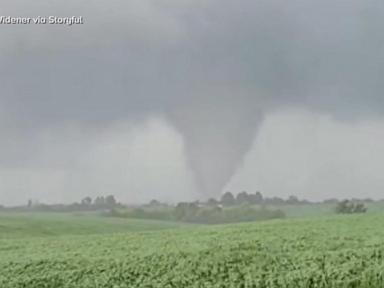
Severe weather doesn't respect regional boundaries anymore. When news cameras capture widespread tornado damage from Kentucky to New Jersey, it isn't just a streak of bad luck. It's a wake-up call about how fast violent storm tracks are shifting across the country.
For decades, most Americans associated destructive tornadoes with the traditional Tornado Alley—states like Oklahoma, Kansas, and Texas. But recent outbreaks tell a very different story. Severe thunderstorm systems now routinely pack enough energy to spawn tornadic activity across the Ohio Valley and push all the way into densely populated Mid-Atlantic neighborhoods.
If you spent any time watching the recent storm destruction, you saw a familiar, heartbreaking pattern. Neighborhoods in Kentucky faced flattened homes and downed grid infrastructure, while towns in New Jersey dealt with ripped roofs, crushed vehicles, and sudden flash floods. The sheer geographical footprint of these multi-state weather events is getting wider, faster, and far more dangerous.
The Mid-Atlantic Tornado Shift Is No Longer Debateable
Many people still treat East Coast tornado warnings as false alarms or minor inconveniences. That mindset needs to end right now. The meteorology behind severe outbreaks stretching from the Midwest to the Eastern Seaboard is well-documented, and the consequences on the ground are devastating.
How Severe Supercells Travel East
Tornadoes don't just magically appear out of nowhere. They require a specific cocktail of atmospheric ingredients: deep moisture, severe instablity, and heavy wind shear.
When a strong low-pressure cold front sweeps across the central United States, it pulls warm, moist air up from the Gulf of Mexico. In the past, those storms often lost their punch as they moved over the Appalachian Mountains. Today, warmer regional temperatures and higher humidity levels allow supercells to maintain their dangerous rotation much further east than before.
- Atmospheric fuel: High surface temperatures create extreme instability.
- Strong wind shear: Changing wind speeds and directions with height create horizontal spinning motion.
- Topographical movement: Supercells ride along jet stream troughs, maintaining structural integrity across mountain ranges.
By the time these severe lines reach states like Pennsylvania and New Jersey, they aren't always classic long-track EF4 monsters, but they don't need to be. An EF1 or EF2 tornado touching down in a densely populated suburban neighborhood in New Jersey often causes more structural damage and power disruption per square mile than a larger storm in an open rural pasture.
What Kentucky and New Jersey Communities Are Up Against
The nature of the destruction varies wildly depending on where the storm hits, but the pain for homeowners is identical. Looking at the ground-level impact shows why local emergency infrastructure is struggling to keep up.
Structural Failures in Old Building Stock
Much of the housing stock in the Northeast and Midwest wasn't built with violent wind uplift in mind. Suburban developments built during the mid-to-late 20th century relied on standard construction codes that assumed regional winds would rarely top 70 mph.
When rotation produces wind gusts over 100 mph, roofs pull away from rafter ties, garage doors collapse inward under pressure, and unreinforced brick chimneys crumble. In Kentucky, where rural properties often feature detached pole barns and older single-wide structures, the wind shear outright pulverizes buildings down to their concrete slabs.
Power Grid Collapse and Long-Term Blackouts
When tornado damage stretches thousands of miles from Kentucky to New Jersey, utility companies face a logistical nightmare. Local crews can't simply borrow linemen from neighboring counties because those neighboring counties were hit by the exact same storm front hours earlier.
- Major transmission towers collapse under violent wind pressure.
- Substations flood from accompanying torrential downpours.
- Uprooted mature trees crush distribution lines across miles of residential streets.
Recovery shifts from a quick afternoon repair to a weeks-long struggle for basic electricity and clean water.
Common Misconceptions About Eastern Tornadoes
Living outside traditional tornado zones gives people a false sense of security. Busting these common myths is crucial for survival when severe weather strikes.
Myth: Mountains and hills protect towns from tornadoes.
Fact: Topography does not stop a rotating supercell. Tornadoes routinely cross ridge lines, rivers, and deep valleys without losing momentum.✨ Don't miss: weather forecast for rehoboth delaware
Myth: Tornadoes only happen in late spring and early summer.
Fact: Severe winter and late-autumn tornado outbreaks are becoming far more frequent. Cold air masses colliding with unseasonably warm tropical moisture can trigger violent tornadoes in December or January.
Myth: Highway overpasses make great storm shelters.
Fact: Overpasses create a wind-tunnel effect that actually accelerates wind speeds and exposes you to flying debris. It is one of the most dangerous places you could possibly hide.
Actionable Steps to Protect Your Family and Property
You can't stop a tornado, but you can drastically improve your odds of surviving one and recovering financially afterward. Here is what you should do immediately to prepare your household for sudden violent weather.
Build an Emergency Action Kit Today
Don't wait until a severe thunderstorm watch turns into a tornado emergency. Gather these items into an easily accessible, water-resistant container in your safe room or basement:
- Battery-powered NOAA weather radio: Cell towers often fail or get overloaded during major storms. A dedicated weather radio ensures you receive direct alerts from local meteorologists.
- Heavy-duty helmets: Traumatic head injuries from flying debris are the leading cause of death during tornadoes. Keep bicycle or motorcycle helmets in your shelter area for every family member.
- Sturdy shoes and work gloves: You will likely have to walk over broken glass, exposed nails, and splintered wood immediately following a touchdown.
- Portable power banks: Keep high-capacity battery packs fully charged to power mobile devices when electric grids go down.
Fortify Your Home's Weak Points
If you live in an area prone to severe thunderstorms, small structural upgrades make a huge difference in wind resistance.
- Upgrade garage doors: Reinforced or wind-rated garage doors prevent structural blow-outs that cause complete roof loss.
- Install hurricane ties: Metal connectors anchoring roof trusses to wall studs significantly increase your home's wind resistance.
- Trim hazard trees: Hire a certified arborist to remove dead or overhanging branches that threaten your roof or power connections.
Audit Your Homeowners Insurance Policy
Standard policies don't always cover everything you think they do. Review your declaration page today to verify your coverage limits.
- Ensure your policy reflects full replacement cost rather than actual cash value.
- Check if windstorm damage carries a separate, higher deductible in your region.
- Add flood insurance if your property sits in a low-lying area, as severe tornado fronts almost always bring flash flooding.
- Document your belongings now by taking a video walkthrough of every room in your house and uploading it to secure cloud storage.
The physical cleanup from Kentucky to New Jersey takes months, but the operational changes to how we prepare for severe weather must start today. Take thirty minutes this weekend to double-check your shelter plan, test your weather alerts, and secure your household safety gear.