Trade negotiations in Washington are hitting a brick wall, and local leaders aren't staying quiet. When Brampton Mayor Patrick Brown declared that no trade agreement is better than a bad deal if the automotive industry gets left behind, he wasn't just posturing. He was drawing a hard line against policies that threaten to hollow out Ontario’s manufacturing spine.
As the clock ticks down toward a high-stakes tariff deadline, the future of cross-border commerce hangs in the balance. If Ottawa caves on autos to appease U.S. demands, the fallout won't just hit balance sheets. It will devastate communities that have built their entire economic identity around the assembly line.
The Breaking Point in Brampton
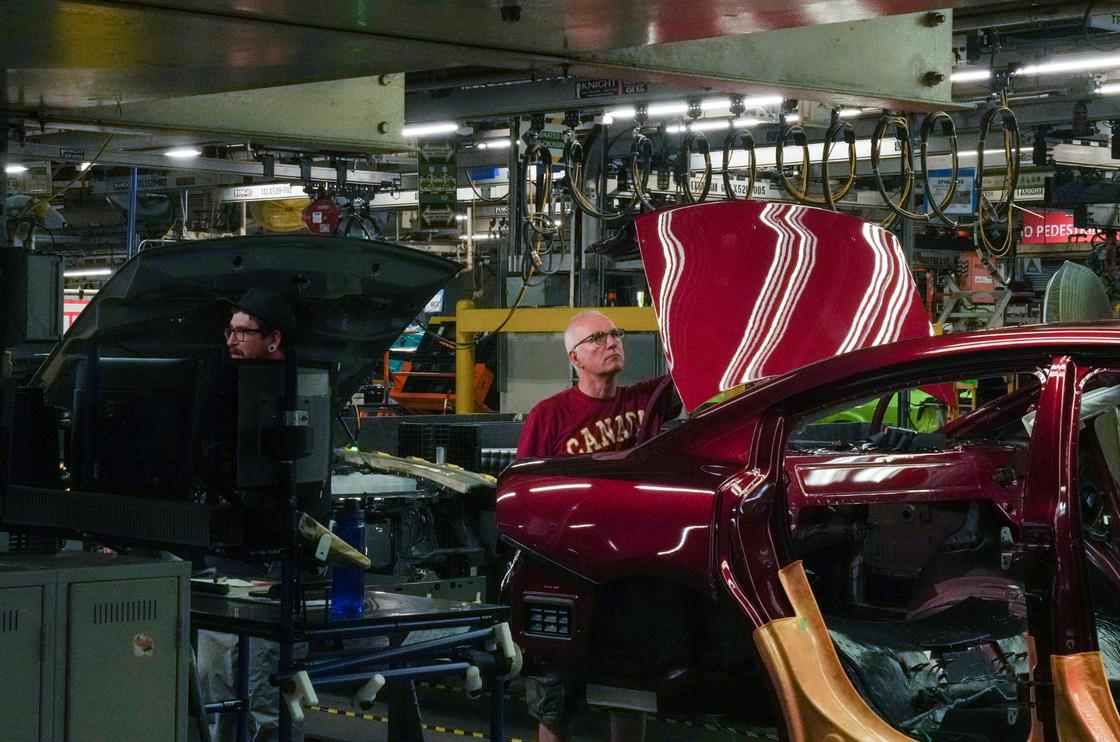
Reality caught up fast with workers and local officials when Unifor revealed that Stellantis is strongly considering closing and potentially selling its idled assembly plant in Brampton. Years of investments, promises, and retooling plans are suddenly up in the air.
The automaker previously shifted future Jeep Compass production lines down to Illinois, reacting directly to aggressive U.S. tariff pressures. Now, union leadership and municipal authorities face a grim prospect: an indefinite shutdown that could permanently sever decades of vehicle manufacturing history in the city.
Mayor Brown put it bluntly. Conceding on the auto sector sets a dangerous precedent. Once one major player yields to Washington's heavy-handed tactics, every other manufacturer with a footprint north of the border becomes vulnerable to the exact same playbook.
Why Washington Wants the Auto Sector on the Chopping Block
The U.S. administration knows exactly what it's doing. Autos represent one of Canada's most critical export engines. By targeting vehicle manufacturing and pushing proposals that exclude parts and finished cars from exemptions, American negotiators hope to force supply chains southward.
Current talks in Washington are dragging through the mud. While some aspects of negotiations have seen technical line-by-line reviews, massive gaps remain over steel, aluminum, lumber, and autos. Reports indicate that even if a partial deal materializes, Washington is pushing for tariff rates between 10 to 15 percent on CUSMA-compliant vehicles and parts—a far cry from true free trade.
Industry insiders and union heads agree that accepting any tariff on compliant goods defeats the entire purpose of a continental trade pact. Unifor President Lana Payne made it clear that Canada holds genuine leverage through counter-tariffs and should refuse to back down. Rolling over now only invites heavier demands later.
What Happens Next for Canadian Workers
The stakes couldn't be higher for the roughly 125,000 Canadians working directly in the automotive sector, alongside hundreds of thousands more tied to parts and logistics.
If negotiators accept a substandard agreement that sidelines automotive safeguards, the economic shockwaves will ripple straight through municipal budgets, local suppliers, and small businesses. Workers deserve stability, not endless corporate games of chicken driven by political posturing in Washington.
Standing firm means accepting short-term pain to preserve long-term survival. If the federal government blinks now, the industrial landscape of Ontario will never look the same.