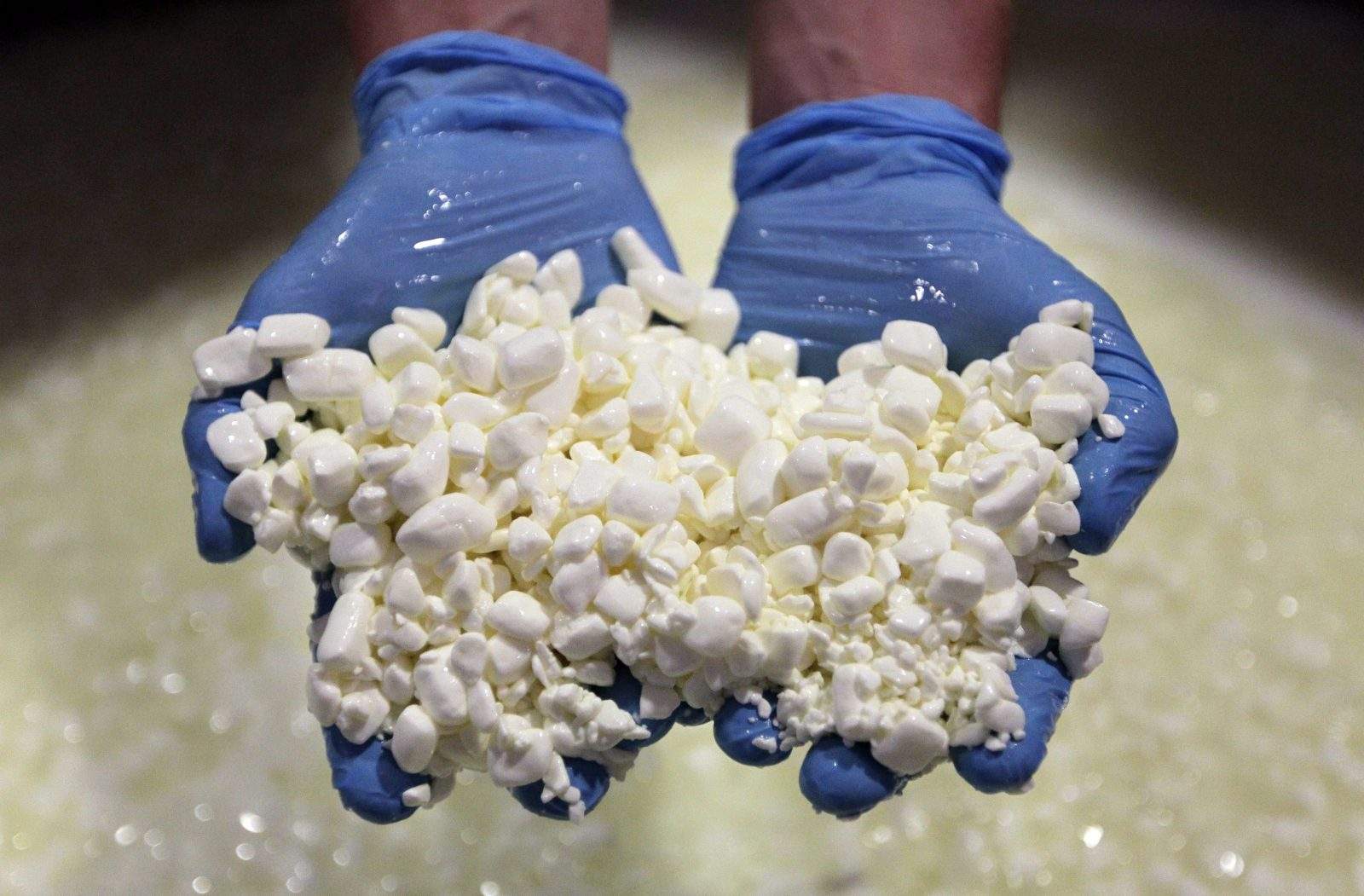
If you have stared at empty supermarket shelves recently wondering where all the cottage cheese went, you aren't imagining things. Canada is facing a genuine cottage cheese crunch, and dairy processors are scrambling to keep up.
StatsCan data shows domestic production jumped from 8,571 tonnes in the first quarter of 2025 to 9,870 tonnes in the first quarter of 2026. That is a massive 15 per cent spike in just a single year. Yet, store shelves across cities like Montreal, Toronto, and Vancouver remain intermittently stripped bare.
The Protein Obsession That Broke the Dairy Aisle
Forget avocado toast. The current food obsession centers entirely on macro tracking and high-protein diets. Millions of shoppers are trying to hit aggressive daily protein targets without blowing their monthly grocery budgets on expensive powders or lean beef.
Cottage cheese delivers around 12 to 14 grams of protein per half-cup serving. That hits more than 20 per cent of Health Canada's daily recommended protein intake for an average adult. TikTok creators turned it into a viral canvas, blending it into ice cream, whipping it into pasta sauces, and baking it into flatbreads.
What started as a quirky social media experiment morphed into a permanent shift in consumer habits. Shoppers want affordable animal proteins, and dairy is having a massive moment because of it.
Why Producers Couldn't Keep Up
Dairy processing is not a switch you can just flip overnight. When demand spikes by double digits, existing manufacturing plants hit a hard ceiling.
Processors face rigid limits on equipment, labor, and milk allocation frameworks managed under Canada's supply management system. Smaller brands like Organic Meadow even had to temporarily pull their cottage cheese lines due to severe capacity constraints. Meanwhile, major co-operatives like Agropur navigated regional supply gaps worsened by labor disputes at key plants.
When demand outpaces infrastructure, the supply chain breaks down. Shoppers notice empty dairy cases, and smaller regional grocery stores end up at the back of the line for restocking.
Big Dairy Fights Back With Massive Investments
Canada's largest dairy producers are finally putting serious capital behind the trend. Gay Lea Foods announced a $200 million investment to significantly expand its Clayson Road manufacturing facility in Toronto.
This project aims directly at resolving the national shortage by introducing advanced processing technology and scaling up output for popular labels like Nordica. It forms the first major milestone in a larger $450 million strategy to modernize processing networks across the country. Agropur has also initiated plant expansions to secure long-term supply stability.
These companies are betting hundreds of millions of dollars that the protein craze is here to stay. They don't view this as a fleeting internet fad that will vanish next month.
How to Find What You Need Right Now
If you rely on cottage cheese for your daily meal prep, hunting it down requires a bit of strategy.
- Check independent grocers and ethnic food markets instead of relying exclusively on massive big-box supermarkets.
- Ask your local dairy department staff about their specific truck delivery days.
- Look for regional dairy brands that might not have the national footprint of major labels but still supply local co-ops.
Producers estimate major facility upgrades will take time to fully materialize, with expansions like Gay Lea's Toronto project targeting completion by 2028. Until then, expect the scramble for tubs of curd to continue every time a new viral recipe takes over your feed. Plan your grocery trips early, diversify your protein sources, and grab a container whenever you spot one on the shelf.