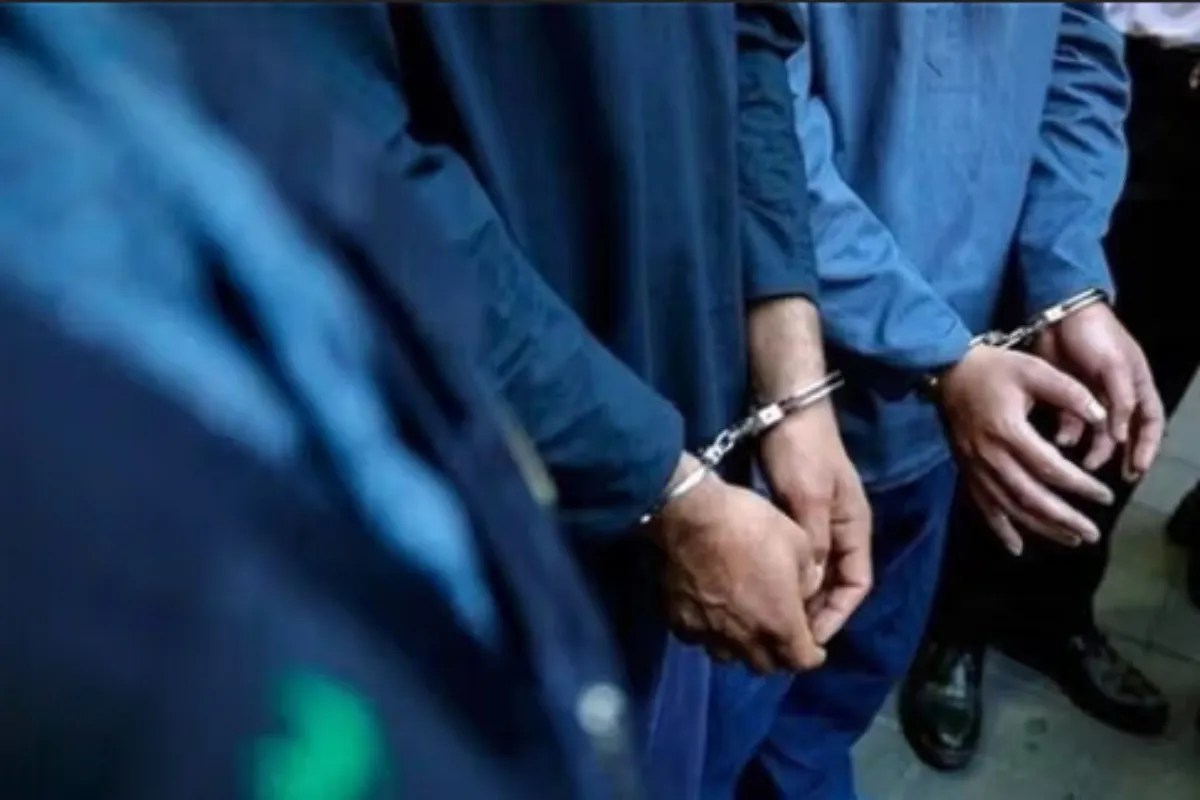
Tehran doesn't want you looking too closely at its domestic courts right now. When Iran's judiciary quietly confirmed that over 3,000 citizens were arrested for allegedly assisting "hostile foreign states," international media ran standard headlines about espionage and national security. They missed the real story.
This isn't a conventional spy hunt. It's a systematic effort by a pressured regime to control internal dissent under the convenient umbrella of wartime conditions. By accusing regular citizens of being traitors and spies, the state successfully shifts the blame for its security vulnerabilities while justifying an iron-fisted domestic clampdown.
If you want to understand how a modern state uses foreign conflict to crush its own people, you have to look at how these numbers break down and what's actually happening behind closed doors in Tehran.
The Reality Behind the 3,000 Arrests
Iran's judiciary spokesperson, Asghar Jahangir, spilled the specific numbers to state media, confirming legal proceedings against 3,121 individuals. More than 2,400 are currently sitting in custody. The state wants the public to believe these people are high-level operatives feeding intelligence directly to the CIA or Israeli Mossad.
The data tells a completely different story.
When you strip away the state rhetoric, the largest single block of individuals targeted—roughly 43%—weren't caught handling state secrets. They were arrested for political, cultural, media, and propaganda activities. In plain terms, they posted the wrong things online, spoke out against the government, or shared independent coverage of regional conflicts.
Another 20% face accusations of operational activities favoring foreign adversaries, while others are being prosecuted simply for possessing or trading electronic equipment, including Starlink satellite devices. The state treats alternative internet access as an act of treason because an open internet destroys their ability to control the narrative.
How Wartime Conditions Serve as a Legal Shield
States under external pressure often turn inward to eliminate perceived threats. Iran is executing this playbook with terrifying efficiency. Following recent military exchanges and heightened regional tensions, the regime fast-tracked sweeping legal measures under the "Law on Intensifying Punishments for Cooperation with Hostile Governments."
This law effectively criminalizes dissent. If you take a video of an explosion in your city and post it on social media, the state can argue you are providing battlefield coordinates to the enemy.
Human rights monitoring groups, including Amnesty International, have pointed out that the government is systematically using the cover of conflict to ramp up repression. Trials are accelerated, basic legal representation is routinely denied, and confession videos are broadcast on state-affiliated channels to terrify the broader population.
Asset Confiscation as an Economic Weapon
There's a financial layer to this crackdown that rarely makes mainstream headlines. The judiciary hasn't just locked people up; they've launched a digital system called "Saham" designed to instantly track, freeze, and seize the financial assets of anyone accused of being a mercenary or foreign collaborator.
Property has already been taken from hundreds of citizens. In Isfahan province alone, the state seized properties belonging to over 100 individuals labeled as traitors. This hits families where it hurts most, stripping away financial security and creating an economic deterrent against any form of non-conformity. When the state can take your house, your bank accounts, and your freedom based on a vague accusation of internet-based espionage, silence becomes the default survival strategy for millions.
The Real Intent of the Crackdown
Why go to these lengths? The regime is dealing with deep internal instability. Following massive waves of protests over economic stagnation, social restrictions, and domestic policies, the government needs a unifying enemy.
By framing every critic as an active agent of a foreign military power, the state attempts to delegitimize genuine local grievances. They want the public to believe that if you oppose the regime, you're actively helping drop bombs on your own neighbors.
It also creates a climate of intense paranoia. When thousands of ordinary citizens vanish into the judicial system, people stop trusting their neighbors, colleagues, and even friends. That breakdown of social trust makes organizing any organized political opposition nearly impossible.
What Happens Next for the Detained
The judicial trajectory for those caught in this dragnet is incredibly bleak. Judiciary Chief Gholamhossein Mohseni Ejei made it clear that individuals convicted of cooperating with hostile states during wartime face the harshest possible penalties under Iranian law.
This includes the death penalty.
Executions for security-related charges have risen sharply. Capital punishment is being used as a blunt tool of political intimidation rather than a mechanism of criminal justice. For those who avoid execution, decades-long sentences in notorious facilities like Evin Prison await, often based on forced confessions extracted during periods of prolonged incommunicado detention.
International bodies and human rights defenders continue to call for independent monitoring and diplomatic pressure, but with regional tensions remaining high, Tehran shows zero signs of slowing its domestic offensive. The courts will keep processing indictments, properties will continue to change hands, and the line between independent journalism and treason will keep fading away.
If you're tracking international security, don't just watch the regional missile counts or the diplomatic statements. Watch the domestic court dockets inside Iran. That's where the real, permanent transformation of the country is being written.