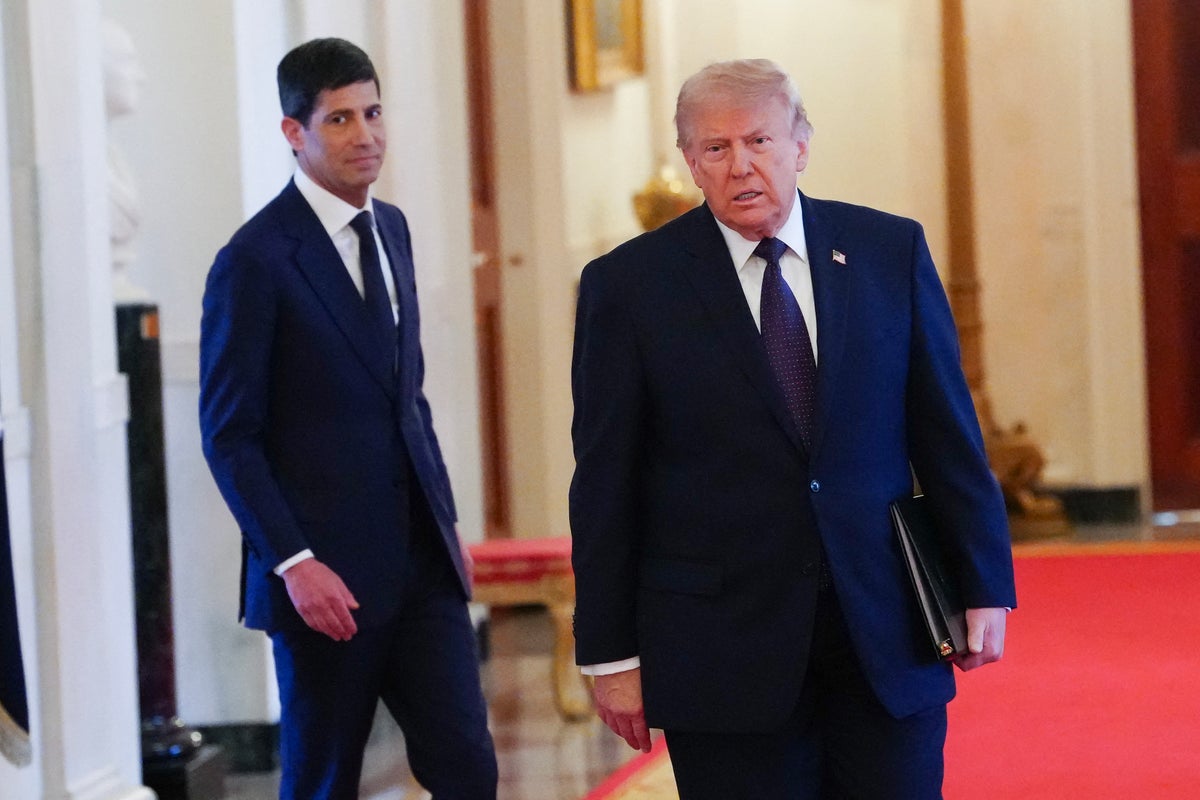
Donald Trump loves to talk about appearance. When the president-elect tapped Kevin Warsh to run the Federal Reserve, the commentary didn't just focus on monetary policy or quantitative tightening. Trump reportedly swooned over Warsh's television presence, praising the former Fed governor as a brilliant guy with top-tier presentation.
Forget standard economic wonkery for a moment. This dynamic tells us everything about how modern political power interacts with central banking.
When Warsh stepped into his new role leading the Federal Reserve, the economic establishment panicked. Wall Street spent months trying to figure out if Warsh would act as an independent monetary guardian or fold under White House pressure to slash borrowing costs.
Let's look at what's actually happening behind closed doors.
The Reality Behind the White House Calls
Recent reports from outlets like the Wall Street Journal and Bloomberg exposed a flurry of undisclosed phone calls between Trump and Warsh. Critics immediately jumped to conclusions. They called it political interference. They claimed the central bank's independence was dying in real-time.
Here is the truth. Presidents always talk to central bankers. They just usually hide it better.
Trump isn't hiding it because subtlety isn't his style. During these unpublicized conversations, Trump has asked Warsh about artificial intelligence, geopolitical shockwaves from the war in Iran, and broader economic health.
Warsh isn't bending the knee on interest rates just to please the Oval Office. In fact, following the Federal Open Market Committee's decision to hold rates steady, 30-year Treasury yields spiked to a 19-year high near 5.2 percent. Investors panicked because Warsh refused to signal aggressive rate cuts or ease up on inflation fight rhetoric.
If Warsh were just a political puppet, borrowing costs would look very different right now.
Why the Market Keeps Misreading Warsh
Wall Street expects every central banker to act like an academic robot who speaks in riddles and path-dependent formulas. Warsh breaks that mold entirely.
He comes from a high-powered finance background, having spent years at Morgan Stanley and working closely with market-makers during the 2008 financial crisis. He knows how traders think because he used to be one.
When long-term bond yields soared following his recent press conference, Warsh didn't panic. Instead, he noted that the markets were doing the heavy lifting for the central bank.
That drove economists crazy. They want a central bank that micromanages every basis point. Warsh wants a system where market discipline handles some of the cooling down.
Critics call this strategy hands-off and reckless. Supporters call it a return to market reality.
The Personality Factor in Washington Power
We cannot ignore how personal chemistry shapes institutional governance. Trump values visual appeal, confidence, and media savvy. Warsh checks every single one of those boxes.
Past Fed chairs like Jerome Powell faced months of blistering public insults from Trump simply because Powell refused to lower interest rates on command. The relationship was toxic.
By contrast, Trump's warm public remarks and private consultations with Warsh create a completely different governance model. Warsh was even sworn in at the White House East Room—a rare break from tradition that raised eyebrows among institutional purists who worried about optics.
Yet, optics don't automatically dictate policy outcomes.
What Comes Next for Your Money
If you are trying to navigate the economy right now, stop listening to the breathless media panic about political takeovers of the Fed. Watch the actual data.
- Inflation remains stubbornly above the central bank's two percent target.
- Bond markets are demanding higher yields to offset long-term fiscal risks.
- Employment metrics like the recent ADP reports are flashing warning signs of a slowing labor market.
Warsh faces an impossible balancing act. He has to manage persistent inflation shocks while dealing with a president who wants lower rates to spur growth.
Don't expect the drama to stop anytime soon. Keep your portfolio flexible, ignore the daily political theater, and watch what the bond market does next. That is where the real story lives.