Every August, a quiet scramble begins along the coast of Hebei province. Top cadres, policy advisers, and notable scientific figures pack their bags and head east from Beijing to the seaside resort of Beidaihe.
You’ll hear Western media outlets breathlessly call it a clandestine conclave of factional warfare. They love painting pictures of smoky back rooms where retired elders grill sitting presidents over policy failures.
Honestly? That version belongs in a spy thriller, not reality.
The Reality Behind the Beach Resort
For decades, Beidaihe served as China’s unofficial summer capital. Mao Zedong loved shifting the state apparatus to the coast to escape the baking heat of Beijing. It worked as a functional summer office system.
Over the years, the tradition evolved. While formal collective work sessions were officially shelved decades ago, the physical migration of leadership still happens every single year. You can spot the clues instantly. State media coverage of top leaders goes quiet for roughly two weeks. Traffic restrictions tighten on the Bohai Sea. Drones, jet skis, and personal watercraft get banned from local waters.
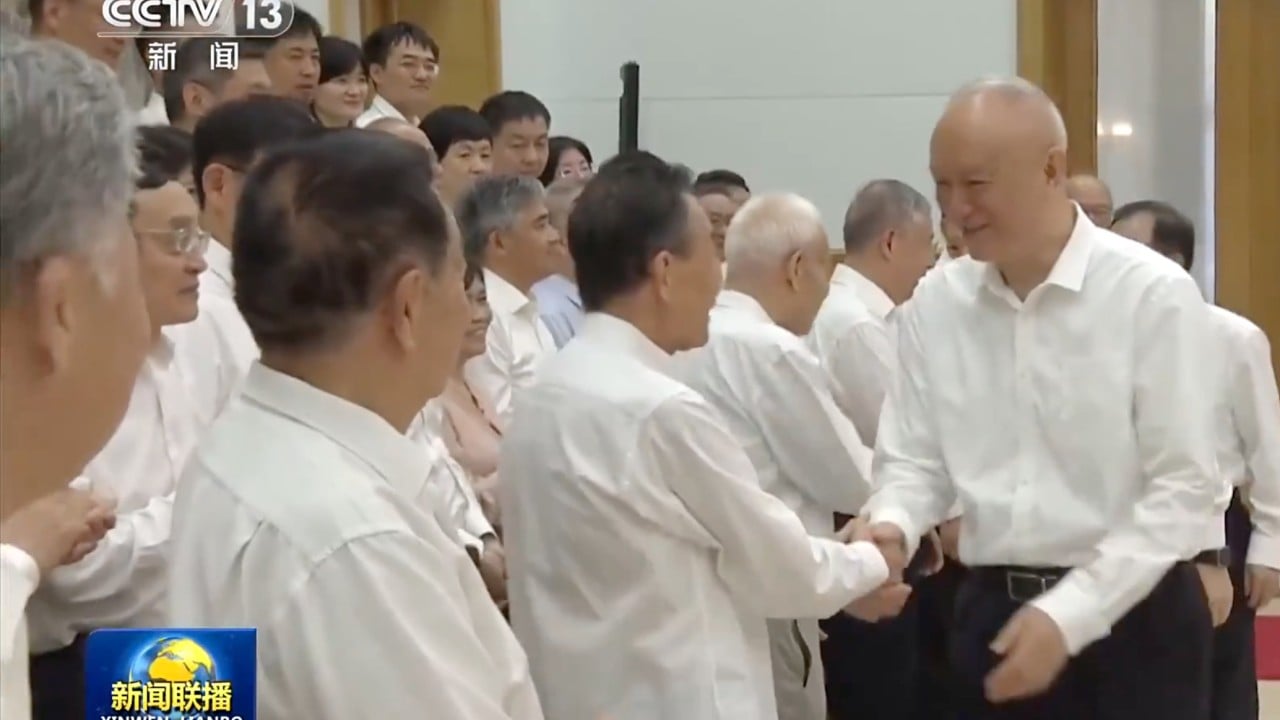
Then comes the telltale indicator: top officials like Cai Qi, Xi Jinping’s chief of staff, pop up in local reports meeting with invited scholars and industry experts.
That is your confirmation. The annual Beidaihe gathering is underway.
Why Scientific Elites Get Invited
Beidaihe isn't just about political heavyweights plotting personnel lists anymore. The guest list includes top scientists, engineers, and technical experts.
Why do they matter here? Because Beijing wants technical brains in the room when mapping out long-term economic and technological strategies. China faces stiff external tech curbs and internal economic headwinds. Bringing top scientific minds to an informal seaside setting lets leadership pressure-test ideas about industrial policy, manufacturing self-reliance, and scientific modernization away from the daily grind of government ministries.
It's basically a working vacation mixed with strategic alignment.
Stripping Away the Rumours
Let's clear up the biggest misconception floating around. Analysts often treat Beidaihe as ground zero for an imminent political coup or intense factional pushback against Xi Jinping's authority.
That ain't happening.
Power is deeply centralized now. The scope for genuine bargaining or old-school factional pushback has shrunk dramatically compared to the eras of Mao or Deng Xiaoping. Instead of high-stakes political brawls, today's retreat functions more as a controlled environment. Leaders take stock of a mixed year, manage upcoming party agendas, and align priorities.
You won't find leaked diary entries or dramatic showdowns on the beach. You will find senior officials synchronizing watches ahead of major autumn political conclaves.
Take a close look at the actual mechanics of elite Chinese politics. Strip away the Hollywood fiction of beachside mutinies, and you see a ruling party quietly managing its domestic pressures, economic realities, and technological ambitions while enjoying a brief coastal respite.