European leaders just tried playing hardball with Moscow. It didn't work. The latest diplomatic push from Brussels and key European capitals arrived with a clear message: agree to a structured ceasefire or face a devastating wave of economic sanctions targeting what remains of Russia's energy and banking networks.
The Kremlin's response was as fast as it was predictable. Vladimir Putin flatly rejected the terms, with his inner circle stating that Russia simply doesn't accept ultimatums from Europe.
If you're tracking the Ukraine-Russia war latest updates, this dynamic isn't just another round of political posturing. It marks a critical breakdown in Western diplomatic strategy. Europe is trying to assert itself as a primary dealmaker, but Moscow is intentionally looking past Brussels. Instead, Putin is leveraging a mix of aggressive military threats and back-channel communications to force a setup where only Washington and Moscow dictate the final terms.
The Backstory on the European Ultimatum
The tension boiled over after a joint delegation of European officials pushed for an immediate, unconditional pause in hostilities. Their goal was simple on paper: halt the daily missile strikes on Ukrainian infrastructure and freeze the frontlines to allow for structured peace talks. To give the demand some teeth, European leaders threatened to completely sever the remaining financial corridors connecting Russian banks to international markets and place stricter secondary penalties on third-party nations buying Russian oil.
Moscow didn't blink. Kremlin officials quickly labeled the European approach "illusory" and "confrontational."
From the Russian perspective, Europe lacks the leverage to dictate terms. The Kremlin views the European Union not as an independent power broker, but as an extension of Western military alignment. By completely dismissing the European proposal, Putin is sending a deliberate message: minor European powers don't get to set the rules of engagement or the parameters of peace.
Why the Kremlin is Ignoring Brussels
Moscow's total dismissal of European diplomacy boils down to a few cold, hard strategic realities. You have to look at where the actual power sits to understand why the Kremlin feels so comfortable burning bridges with European negotiators.
- The Washington First Policy: The Kremlin is openly prioritizing the framework discussed during high-level meetings with US envoys. Moscow believes that any real, lasting deal regarding territorial boundaries and security guarantees will be brokered directly with the United States, rendering European initiatives irrelevant.
- The Reality of the Battlefield: Despite suffering severe logistical issues and a steady loss of momentum over the last few months, Russian forces are still holding large chunks of eastern and southern Ukraine. The Kremlin believes that accepting a European-mandated ceasefire right now would look like an admission of weakness.
- Weaponizing Energy and Trade Pipelines: While Europe has drastically reduced its dependence on Russian gas since 2022, Moscow has successfully rerouted its supply lines toward Asian markets. The threat of extra European sanctions doesn't carry the same catastrophic weight it did four years ago.
Putin's Real Strategy
Putin isn't just saying no to Europe; he's actively shifting his strategy to adapt to a much longer, grinding conflict. While the official rhetoric out of Moscow promises massive retaliation against Western targets, the reality on the ground shows a more calculated, defensive posture.
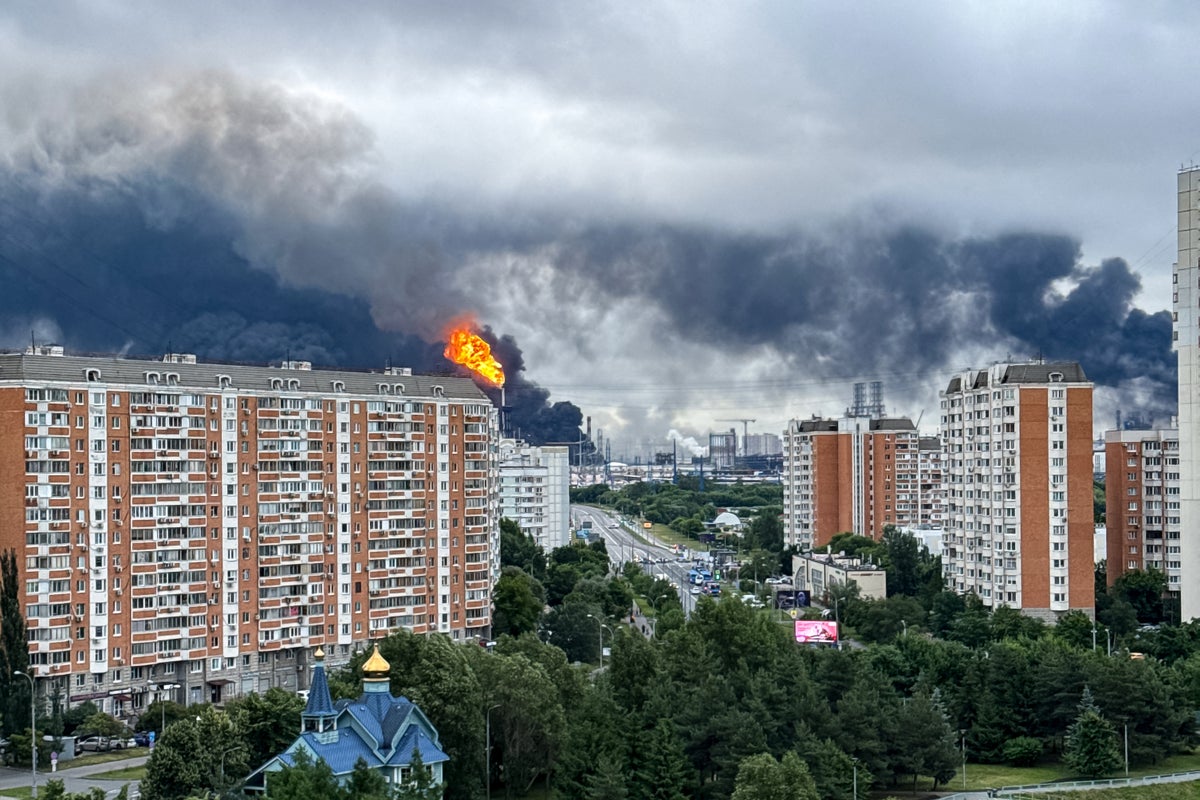
The Russian military is currently dealing with a highly effective Ukrainian long-range drone campaign. These strikes have systematically targeted oil refineries, fuel depots, and supply hubs deep inside Russian territory, creating localized fuel shortages and complicating military logistics in occupied zones.
Instead of admitting the severity of these disruptions, the Kremlin is framing the situation as a direct war against the entire NATO alliance. This narrative serves a vital domestic purpose. By telling the Russian public that they are fighting a defensive war against global Western aggression rather than an offensive campaign against Ukraine, Putin justifies the ongoing economic strain, massive military spending, and the slower-than-expected pace of territorial gains.
What Happens Next
The total failure of Europe's latest diplomatic push leaves the international community in a dangerous holding pattern. Since a negotiated settlement via European channels is completely off the table, the trajectory of the war will depend heavily on two specific factors.
First, keep a close eye on the volume of Western military aid. Europe will likely respond to the Kremlin's rejection by speeding up the delivery of air defense systems and ammunition to Kyiv. If the continent can't force peace through diplomacy, its only alternative is to out-produce the Russian war machine.
Second, watch the shift toward direct US-Russia communications. The Kremlin is waiting out European pressure because it expects a more direct, pragmatic negotiation process with Washington. Until those specific channels open up or the situation on the battlefield shifts dramatically, the cycle of heavy drone strikes, localized offensives, and empty political warnings will keep rolling forward.