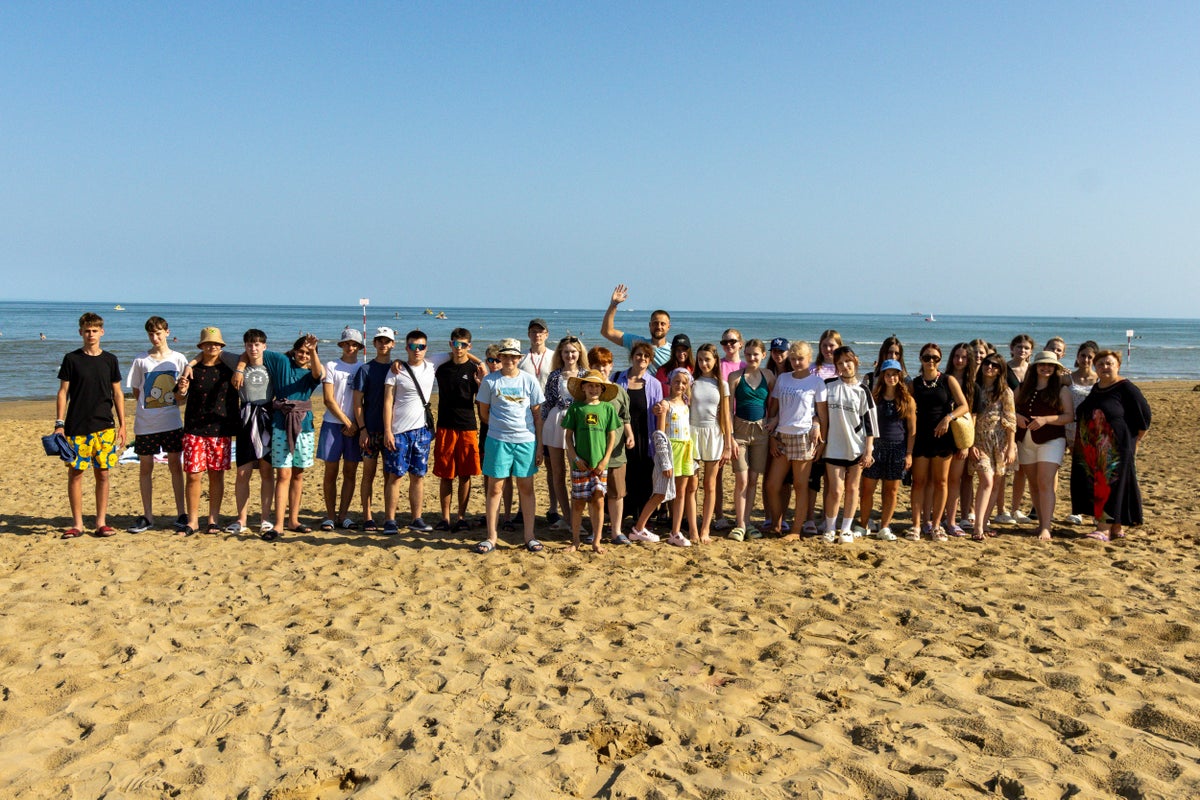
Air raid sirens don't just interrupt sleep. They rewire how a child views the world. When you grow up dodging missiles and spending your adolescence in bomb shelters, safety feels like a temporary illusion. That reality prompted organizers across Europe to establish specialized recovery havens, including therapeutic retreat programs in places like Italy, designed to give Ukraine's traumatized children a genuine break from war.
You can't easily undo years of chronic stress with a single weekend away. Yet, stepping outside an active combat zone allows kids to drop their shoulders, sleep through the night without explosions, and remember what childhood feels like before fear takes over completely.
The Reality Behind the Rehabilitation Camps
Most people assume relief efforts for young war victims focus entirely on physical safety or medical aid. They miss the psychological toll. Millions of Ukrainian children face severe anxiety, displacement grief, and lingering post-traumatic stress.
When these children arrive at therapeutic camps abroad—whether nestled in Italian resort towns or quiet European mountain regions—the immediate shift is visceral. They stop scanning the sky for incoming drones. They stop flinching at loud noises.
Mental health professionals working within these programs note a distinct behavioral pattern. Before arriving, kids display hyper-vigilance. They struggle to trust new environments. Within days of total quiet, however, something shifts. They start playing volleyball, swimming, and laughing without looking over their shoulders.
How These Programs Actually Work
Running a successful trauma-informed camp isn't just about throwing a pool party and hoping for the best. Organizers coordinate structured activities that rebuild confidence and social skills fractured by war.
- Physical Disconnect: Complete removal from immediate danger zones provides the brain a chance to lower cortisol levels.
- Creative Expression: Art therapy, drama, and team sports give kids a non-verbal outlet to process heavy emotions.
- Peer Connection: Being surrounded by other kids who share the exact same background stops them from feeling isolated in their trauma.
You realize quickly that these initiatives serve a dual purpose. They offer immediate psychological respite while equipping participants with coping mechanisms they can take back home when the session ends.
What Most Media Coverage Misses
Headlines often focus strictly on the geopolitical tragedy, painting young victims as passive symbols of suffering. That framing strips them of their agency.
At these camps, kids aren't treated like broken objects requiring pity. They are encouraged to lead camp games, organize talent shows, and make independent choices about their daily schedules. Giving them back small choices restores a sense of control that war stripped away.
Critics sometimes question whether a two-week vacation can fix deep-seated psychological wounds. It can't. But dismissing these programs ignores the clinical reality of nervous system regulation. Giving a child's brain a hard reset away from sirens prevents long-term developmental damage.
Moving Past Temporary Relief
Support systems cannot stop at seasonal getaways. Local authorities and international charities must scale year-round psychological infrastructure inside Ukraine and across host nations. If you want to support these recovery efforts effectively, look toward grassroots NGOs funding direct transport, specialized counselors, and long-term mentorship programs.
Trauma leaves a heavy footprint, but safe spaces prove that human resilience runs deep. The work continues long after the camp buses depart.