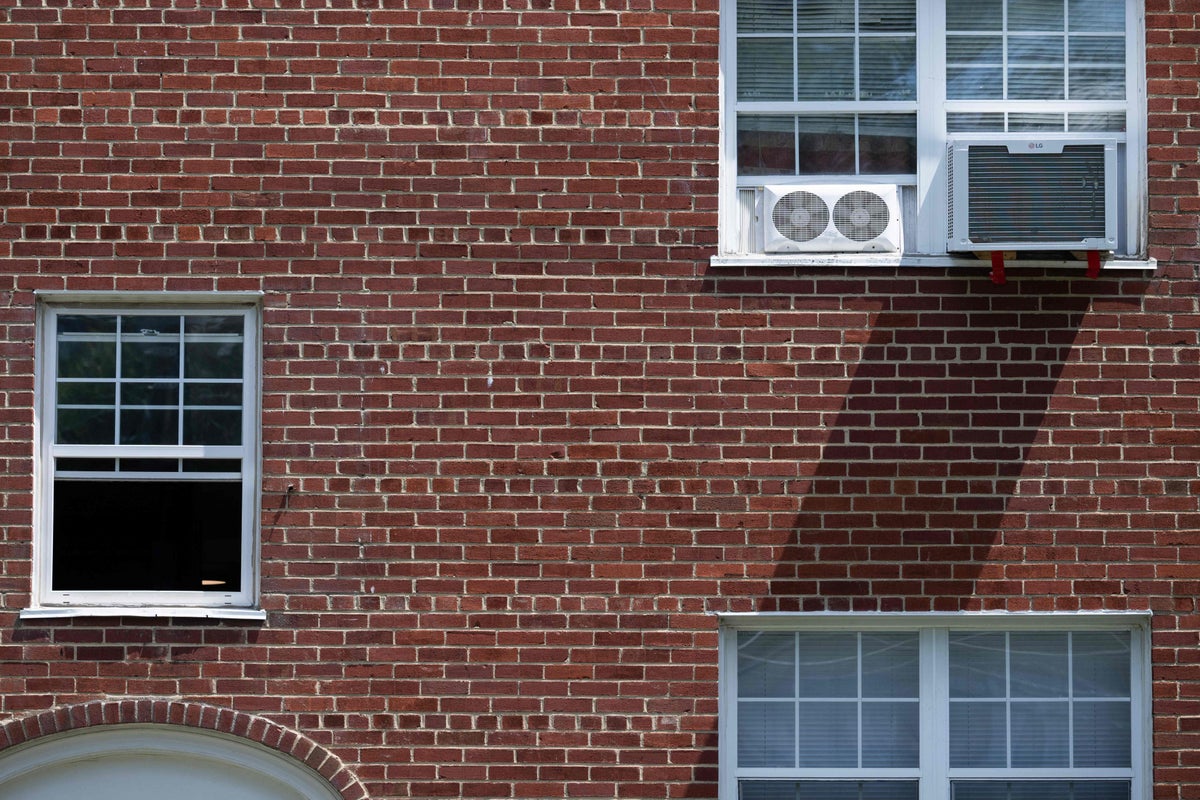
Europe is roasting, and its historical resistance to air conditioning is melting away under the pressure of 40-degree summers.
For decades, the continent clung to a collective belief that air conditioning was a wasteful American luxury, bad for your health, and entirely unnecessary for a few warm weeks a year. But a series of intense, unrelenting heatwaves across Spain, France, Germany, and Italy has shattered that stubborn cultural consensus.
This sudden shift in consumer behavior has created a gold rush for Asian home appliance giants like South Korea’s Samsung and LG, Japan’s Mitsubishi Electric, and China’s Midea. As regional supply chains buckle under the strain, some portable cooling systems are even commanding massive markups on the secondhand market.
This is not just a temporary seasonal spike. It is the beginning of a fundamental restructuring of European residential infrastructure.
The Death of the Mild European Summer
The numbers coming out of the European market paint a clear picture of a continent in crisis. Historically, fewer than 10% of European households owned air conditioning units—a stark contrast to the United States and parts of East Asia, where penetration rates hover around 90%.
But in May and June of 2026, those old habits collapsed under record-breaking temperatures.
- In Germany, e-commerce sales of cooling equipment rose by roughly 37% in May compared to the previous year.
- In Spain and France, shipments of air conditioning units surged by an astonishing 108% over the same period.
- Chinese manufacturer TCL reported a sales jump exceeding 300% in France alone as desperate buyers scrambled for relief.
These numbers represent a massive operational pivot for manufacturers. LG Electronics ran its production lines at full capacity as early as April to prepare for this global surge, while Samsung reported double-digit sales growth across Southern and Western Europe.
Why Traditional Systems Can't Save European Renters
To understand why specific Asian brands are winning this cooling race, you have to look at the unique physical and legal constraints of European housing.
If you live in a modern suburban home in Texas, installing a central air system or a standard split inverter is a straightforward process. If you live in a rented apartment in Munich, Madrid, or Paris, it is a legal and structural nightmare.
Strict historic preservation laws often forbid drilling holes through exterior brick or stone walls. Even where it is physically possible, tenant-protection laws require landlords to approve any permanent modifications to the property—approvals that are notoriously difficult to secure. Furthermore, the high cost of professional installation and a persistent shortage of certified HVAC technicians across Europe mean that even wealthy homeowners face weeks of waiting just to get a traditional split system installed.
This regulatory bottleneck explains why standard portable units—the ones with the thick, inefficient plastic hoses stuck out a cracked window—have historically been the default panic-buy. But those single-hose units are notoriously inefficient, loud, and let in almost as much hot air as they cool.
The Tech Innovation That Broke the Market
This structural challenge is exactly why China's Midea struck gold this summer with an innovative product category: the portable split system.
Their standout model, the PortaSplit, has become the most coveted consumer hardware item on the continent.
How the Portable Split Concept Works
Unlike traditional portable air conditioners, which house the compressor and the fan in a single, noisy indoor box, the PortaSplit mimics a permanent split-system AC.
It consists of two separate units connected by a thin, flat refrigerant line. The noisy, heat-generating compressor sits outside on a window sill or balcony, while the quiet cooling fan remains indoors.
Because the connecting ribbon is flat, the window can be closed almost completely, sealing out the hot summer air.
[ Indoor Unit: Fan & Controls ] <--- (Flat Ribbon Cable) ---> [ Outdoor Unit: Compressor ]
       (Quiet & Cool)               (Passes through window)          (Noisy & Hot)
The genius of this design is that it bypasses every single barrier to European AC adoption:
- No Drilling Required: It requires zero structural modifications to the building, making it 100% legal for renters.
- Ten-Minute Setup: Users can unpack and install it themselves without waiting for a rare and expensive technician.
- Split-System Efficiency: It cools far more effectively than a standard hose-in-the-window portable unit.
The market response has been wild. Priced retail between €700 and €900, the PortaSplit sold out rapidly across Germany, France, and Austria. Desperate buyers turned to secondary markets like eBay, where units have fetched up to €2,600—roughly a 300% markup.
The Financial Reality for Asian Appliance Giants
While the consumer rush is undeniable, the financial windfall for these manufacturers is nuanced.
Wall Street and Asian financial analysts are closely watching the margin impact of this European export surge. Citigroup analysts estimate that Midea’s European consumer air-conditioning sales could rise by more than 20% year-on-year in the second quarter of 2026, largely because the company aggressively stockpiled inventory ahead of the peak season.
However, market analysts also point out some headwinds:
- High Raw Material Costs: Rising global prices for copper and aluminum—the primary metals used in AC heat exchangers—are squeezing manufacturing margins.
- Domestic Headwinds: The strong export demand to Europe may not completely offset slower domestic appliance sales in China's cooling housing market.
- Logistics Bottlenecks: Shipping heavy consumer appliances from Asian manufacturing hubs to European ports remains vulnerable to maritime shipping delays and elevated freight rates.
Even with these caveats, the long-term strategic value is clear. With only about 20% of European households currently utilizing active cooling, the continent represents the last major untapped market for residential HVAC technology.
What to Do If You Are Sweating Out the Summer
If you are currently living in Europe and trying to navigate this new, hotter reality, do not panic-buy the first cheap, single-hose portable unit you find at a local hardware store.
Here is how you should approach cooling your space under tight European constraints:
- Calculate Your Cooling Needs First: Air conditioner capacity is measured in BTUs (British Thermal Units). For a standard European bedroom of 15 to 20 square meters, you need roughly 7,000 to 9,000 BTUs. Don't over-buy, or you'll short-cycle the compressor and end up with high humidity.
- Look for Flat-Ribbon Portable Splits: If you rent, prioritize portable split models. While Midea's PortaSplit is the most famous, other brands are rapidly introducing competitive models to capture this market. They are vastly more efficient than single-hose alternatives.
- Optimize Passive Cooling First: No air conditioner can fight a poorly insulated room with direct sun exposure. Combine your AC unit with external rolling shutters (Rollladen) or heavy thermal blackout curtains inside. Keep windows closed during the day and open them only at night when the ambient temperature drops below your indoor temperature.
- Watch the Power Grid: European residential electrical systems, especially in older apartments, are not always wired for high-amperage appliances. Ensure your selected unit's wattage won't trip your circuit breakers, especially if you are running a washing machine or oven at the same time.
The era of the air-con-free European home is drawing to a close. As global temperatures continue to climb, a cool apartment is transforming from a debatable luxury into a basic necessity for survival.