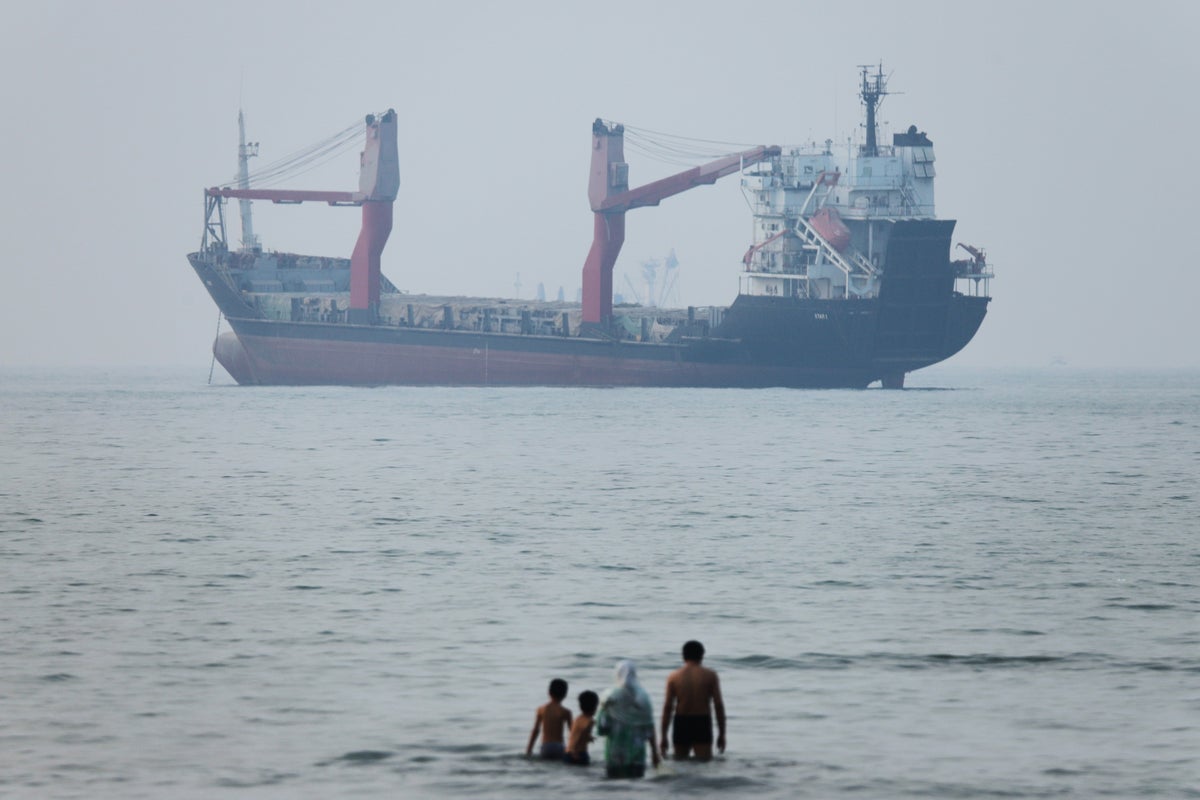
The Persian Gulf is burning again, and global supply chains are taking the heat.
Night after night, American forces launch retaliatory strikes across Iranian territory while air raid sirens blare across Bahrain. Brent crude oil has shot past $100 a barrel, hitting levels not seen since May. What started as a dispute over transit rights in the Strait of Hormuz has spiraled into a dangerous confrontation spanning multiple choke points across the Middle East. Read more on a connected issue: this related article.
If you think this is just another diplomatic spat in a distant region, think again. The conflict directly hits your wallet, your gas tank, and the global economy.
The Battle for Strategic Waterways
The Strait of Hormuz isn't just another stretch of water. In peacetime, roughly 20 percent of the world's petroleum and natural gas moves through this narrow passage. Tehran insists it holds the legal authority to control maritime traffic and collect transit fees. Washington disagrees, using military assets to enforce free navigation. More journalism by USA Today highlights related perspectives on this issue.
That standoff reached a breaking point during a recent wave of American bombardment. U.S. Central Command completed its 13th consecutive night of strikes, hitting Iranian naval facilities, air bases, and command infrastructure.
Strikes targeted strategic locations across Iran:
- Bandar Abbas: A major commercial port and crucial hub for military logistics.
- Qeshm Island: A base housing naval assets, including drone boats used to harass commercial shipping.
- Isfahan and Ahvaz: Regional military headquarters and airbases supporting Iranian operations.
Iranian state media reported casualties in Ahvaz and damage across several provinces. In response, Iranian forces and regional proxies launched counterstrikes, forcing residents in Bahrain to seek shelter as air defenses intercepted incoming fire.
The Red Sea Threat Multiplier
Things got worse when Yemen's Houthi rebels entered the fray. The group targeted two Saudi crude tankers in the Red Sea and threatened to shut down the Bab el-Mandeb Strait.
That threat creates a nightmare for global trade.
The Bab el-Mandeb connects the Red Sea to the Gulf of Aden, handling roughly 12 percent of total global trade and a quarter of all container traffic. When the Strait of Hormuz became unsafe, Saudi Arabia began rerouting millions of barrels of oil daily via an overland pipeline to its western port of Yanbu on the Red Sea.
Targeting Yanbu and the Red Sea cuts off that backup plan. Analysts at Lloyd's List Intelligence described the situation as a double blow to energy markets. Without that overland bypass, oil traders lose their last safe exit out of the region.
Rhetoric Escalates as Diplomacy Fails
Political leaders aren't backing down. President Donald Trump warned of severe military consequences for both Iran and the Houthis if attacks on commercial shipping continue. Trump also announced that frozen Iranian funds held by the United States will be used to pay for damages to commercial vessels.
On the diplomatic front, the tone remains harsh. Iranian Foreign Minister Abbas Araghchi declared an "eye for an eye" policy regarding strikes on national infrastructure. U.S. Secretary of State Marco Rubio countered during a trip to the Philippines, stating the administration's stance is "a head for an eye."
Meanwhile, regional mediators are struggling to find common ground. Iraqi Prime Minister Ali al-Zaidi visited Tehran to advocate for peace, pledging that Iraqi territory wouldn't be utilized for staging attacks. Domestic political pressure is also mounting in Washington, where lawmakers recently debated resolutions aiming to curb further military engagement.
What Happens Next for Global Markets
The immediate impact of this confrontation shows up at the gas pump and in global shipping rates. When transit routes close, insurance premiums for cargo vessels skyrocket. Shipping companies are forced to take longer, costlier detours around Africa's Cape of Good Hope, adding weeks to transit times and driving up consumer prices worldwide.
Keep a close eye on three key indicators over the coming days:
- Energy market fluctuations, specifically whether Brent crude remains above the $100 mark.
- Commercial shipping diversions around the Arabian Peninsula and Suez Canal.
- Official statements from international maritime bodies regarding insurance risk zones in the Persian Gulf.