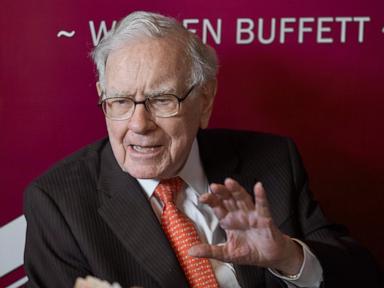
An era lasting more than half a century has officially ended in Omaha. Warren Buffett is stepping down as chairman of Berkshire Hathaway.
At 96 years old, the man known globally as the Oracle of Omaha is handing over the final formal title he held. He isn't walking away completely, taking on the title of chairman emeritus while remaining on the board of directors. But the shift marks a permanent psychological and structural dividing line for Wall Street. You might also find this connected coverage insightful: Why Thames Water Should Be Flushed Into Public Control Right Now.
If you've followed markets for any length of time, you knew this day had to arrive. Yet hearing it actually happen feels surreal. Berkshire Hathaway is no longer just a company; it's a monument built on folksy wisdom, hyper-rational long-term thinking, and an uncanny ability to buy wonderful businesses at fair prices. Now, the conglomerate is shifting entirely into its next phase.
The Succession Blueprint Unfolds
The transition didn't happen in a vacuum. Buffett previously stepped down as chief executive officer late last year, passing those heavy operational reins to Greg Abel. Abel has already begun steering the daily corporate machinery, keeping investments focused on exceptional enterprises while maintaining the massive cash cushions Berkshire is famous for. As highlighted in detailed articles by The Economist, the effects are widespread.
With Abel managing operations as CEO, who takes the chairman seat? The board elected Howard Buffett, Warren's son, who has served as a Berkshire director since 1993.
Wall Street loves to obsess over corporate governance, and family successions often trigger immediate anxiety among institutional shareholders. Yet Berkshire’s board chose a very specific path. Howard Buffett isn't stepping in to pick stocks or alter the investment playbook. Instead, current leadership views his primary mandate as guarding the distinctive culture and foundational values his father spent decades instilling.
Why This Timing Makes Complete Sense
People always ask why Buffett waited until 96 to let go of the chairman title entirely. The answer lies in how Berkshire operates. It runs on decentralized trust. Operating subsidiary managers—ranging from insurance executives to freight rail operators—rarely needed micromanagement because they answered to an owner who valued reputation above quarterly earnings reports.
By stepping down now, following Abel's promotion to CEO, Buffett ensures the tandem is tested while he is still in the room as an advisor and board member. He stays on the board to provide perspective, keeping his decades of institutional memory close at hand. It's a calculated, orderly handover designed to avoid the chaos that usually rattles multi-billion dollar conglomerates when a founder departs.
What Changes for Investors Now
Nothing changes overnight, and that's precisely the point. Berkshire Hathaway is built to endure generational shifts. Abel has a proven track record running the non-insurance operations, and the massive equity portfolio remains an anchor of stability.
You won't see a sudden pivot into speculative tech stocks or flashy high-growth startups just because the name at the top of the letterhead changed. The discipline remains hard-coded into the company's DNA. Howard Buffett protecting the culture means the decentralized operating model stays intact. Greg Abel allocating capital means disciplined balance sheet management continues.
Watch the capital allocation strategies closely over the next twelve months. Pay attention to how Abel handles cash deployment during market downturns. That will tell you everything you need to know about the post-Warren era.
Keep your focus on long-term fundamentals. Let the daily headlines churn. Berkshire Hathaway is moving forward, exactly as planned.