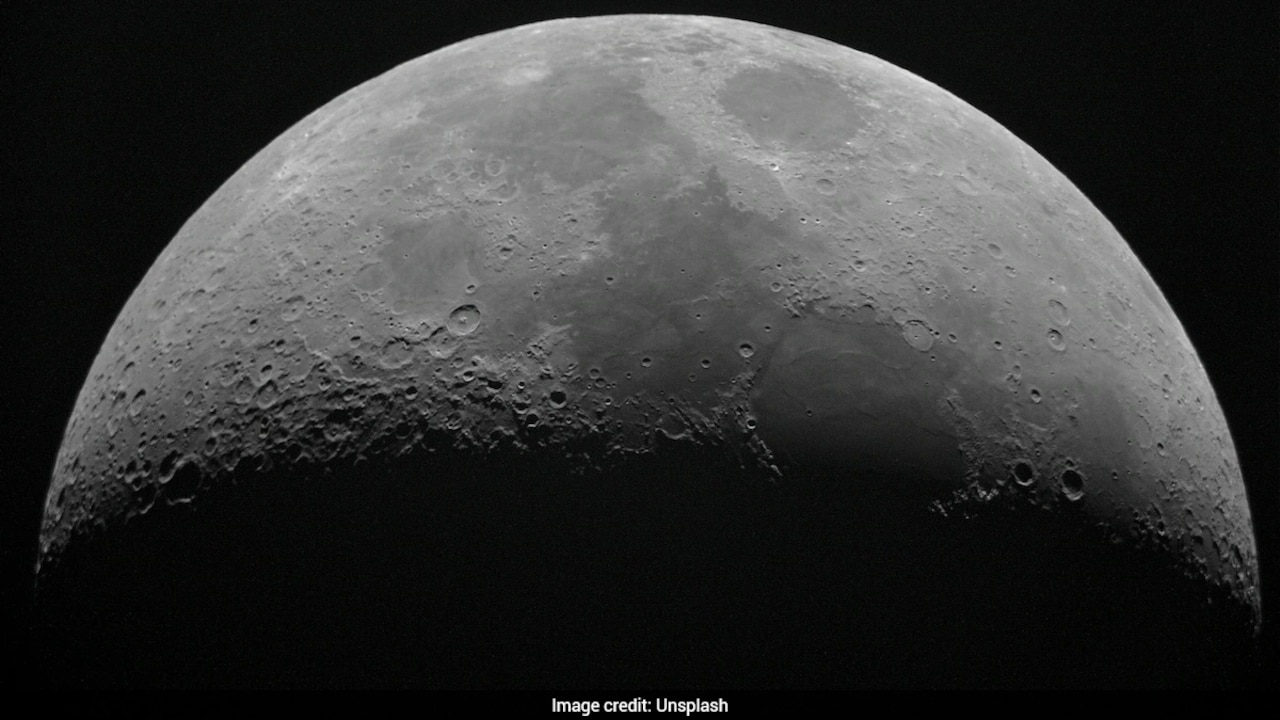
An abandoned piece of a SpaceX Falcon 9 rocket is currently hurtling through space on a direct collision course with the moon. Sometime soon, this 40-foot-long cylinder of metal will slam into the lunar surface at roughly 5,400 miles per hour.
If you think this sounds like the plot of a low-budget sci-fi movie, you are not alone. Space junk crashes happen more often than most people realize, but this particular event highlights a glaring hole in how humanity treats the space between Earth and our nearest celestial neighbor.
The Anatomy of a Rogue Rocket Stage
The object in question is an upper-stage booster from a Falcon 9 rocket that launched back in January 2025, carrying a pair of private lunar landers into deep space. Once the booster finished its primary job, it was left stranded in a chaotic, high-altitude orbit. Without enough fuel to push itself back toward Earth or into a safe heliocentric orbit, it became space debris.
Bill Gray, an astronomer and creator of the Project Pluto tracking software, has tracked the object's path closely. The calculations show the booster colliding near Einstein Crater on the moon's sunlit western limb.
When it hits, it will pack the kinetic equivalent of roughly three tons of TNT, carving out a crater roughly 90 feet across and 16 feet deep.
Can You Actually See It Happen from Earth?
Probably not with your naked eye, and honestly, even telescopes will have a tough time.
The impact is scheduled to happen on the near side of the moon, which sounds like an advantage for skywatchers. However, the collision point is on a sunlit portion of the lunar surface. That bright background glare will completely wash out the sub-second flash of the initial impact.
Astronomers hope to spot the secondary effects instead. The crash will kick up a massive plume of dust and debris stretching miles into the air. Because the moon lacks an atmosphere or wind, that ejected material takes time to settle. Observers with powerful amateur equipment or professional setups might catch a fleeting glimpse of the ejecta plume if they look closely near the lunar limb.
Meanwhile, orbital assets like NASA's Lunar Reconnaissance Orbiter and South Korea's Danuri spacecraft will scramble to capture before-and-after photographs of the fresh wound on the moon. Danuri is even scheduled to swoop within a couple of miles of the booster just minutes before impact.
Why We Keep Crashing Things Into the Moon
This is not the first time human debris has hit the moon, and it won't be the last. Back in 2022, a different discarded rocket booster—initially misidentified—slammed into the lunar far side. Space agencies have also intentionally crashed probes into the surface in the past to study subsurface composition, such as hunting for water ice.
The real issue isn't the damage to the moon. The moon gets pummeled by natural meteoroids all the time. A single hollow rocket tube leaves nothing more than a tiny dent on a massive rock.
The real problem is attitude.
As space agencies and private aerospace companies ramp up plans for permanent lunar bases, crewed Artemis missions, and commercial cargo runs, Earth's orbital backyard is getting uncomfortably crowded. Leaving multi-ton metal upper stages in unstable, high-energy orbits is lazy engineering.
Independent astrophysicists point out that these trajectories can be altered with a relatively minor fuel burn, sending dead boosters safely away into orbits around the sun. When multiple nations and private billionaires like Elon Musk and Jeff Bezos race to colonize the moon, leaving unpredictable debris flying through cislunar space is a ticking clock.
If you want to track the aftermath, keep an eye on upcoming data releases from NASA's lunar orbiters. They will show you the exact scar left behind by our collective refusal to clean up after ourselves.