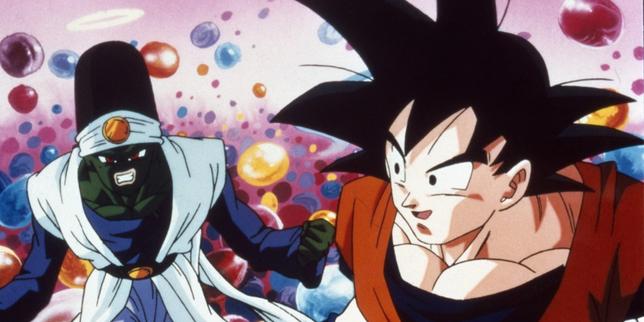
You didn't just watch Dragon Ball back in the day; you survived it. Long before streaming algorithms fed us endless content on demand, millions tuned in religiously to afternoon television blocks like the Club Dorothée in France to catch the latest chaotic adventures of Goku. What started as a quirky Japanese manga by Akira Toriyama transformed into an unstoppable cultural juggernaut. Today, its footprint stretches far beyond playground arguments over who would win in a fight. It dictates multi-million-dollar entertainment conglomerates, shapes global pop culture, and influences bilateral talks between world leaders.
Let's look at how a spiky-haired Saiyan conquered the planet.
From Niche Japanese Pages to Worldwide CRT Screens
Back in the late 1980s, importing Japanese animation into Western television markets felt like dropping an alien artifact into a living room. Parents and censors often scratched their heads, while kids became instantly obsessed. When Dragon Ball first hit French screens in March 1988, nobody anticipated the seismic shift.
The broadcasting model back then was brutal. Shows were sliced up, dubbed with varying degrees of accuracy, and crammed between commercial breaks. Yet, the raw energy of Toriyama's storytelling cut through the noise.
You had high-stakes martial arts mixed with ancient mythology, wrapped in characters who actually grew, trained, and failed. It wasn't flat, episodic cartoon filler. It was an epic saga unfolding in real-time across hundreds of episodes.
The Geopolitical Power of Anime
Fast forward to the present day, and pop culture is official soft power. Nations don't just trade steel and microchips anymore; they export cultural influence. Look at Saudi Arabia's recent multi-million-dollar entertainment investments, including plans for massive theme parks dedicated entirely to the franchise. When heads of state and sovereign wealth funds start carving out physical territory for fictional anime universes, you know the economic stakes have changed forever.
Anime is no longer a subculture ghetto. It's a cornerstone of international trade and tourism.
Governments actively court animation studios because characters like Goku generate billions in merchandise, tourism, and digital streaming revenue. When leaders sit down at negotiation tables, cultural exports form the bedrock of modern diplomatic charm offensives. Japan's "Cool Japan" strategy didn't happen by accident. It was built on the backs of manga creators and animators who turned pen and ink into global currency.
Why the Formula Still Works
If you try rewatching early episodes today, the pacing feels frantic and the animation occasionally shows its budget constraints. But the emotional core remains bulletproof.
- Relatable struggle: Goku starts as an underdog goofball who constantly meets stronger opponents and has to train harder to surpass his limits.
- High-stakes camaraderie: The bonds forged between bitter rivals like Vegeta and Goku create compelling character arcs that resonate across generations.
- Escapism with stakes: Death in the universe has rules, but failure carries real emotional weight for the reader and viewer.
Most modern reboots try too hard to be slick, missing the raw, hand-drawn soul that made the original work. Toriyama's genius lay in keeping things simple yet scaling the universe to cosmic proportions.
Stop treating pop culture phenomena as fleeting kid trends. They shape modern diplomacy, drive global economies, and define how entire generations view friendship and perseverance. Pick up an original volume, look past the nostalgia, and study how true global empires are actually built.


