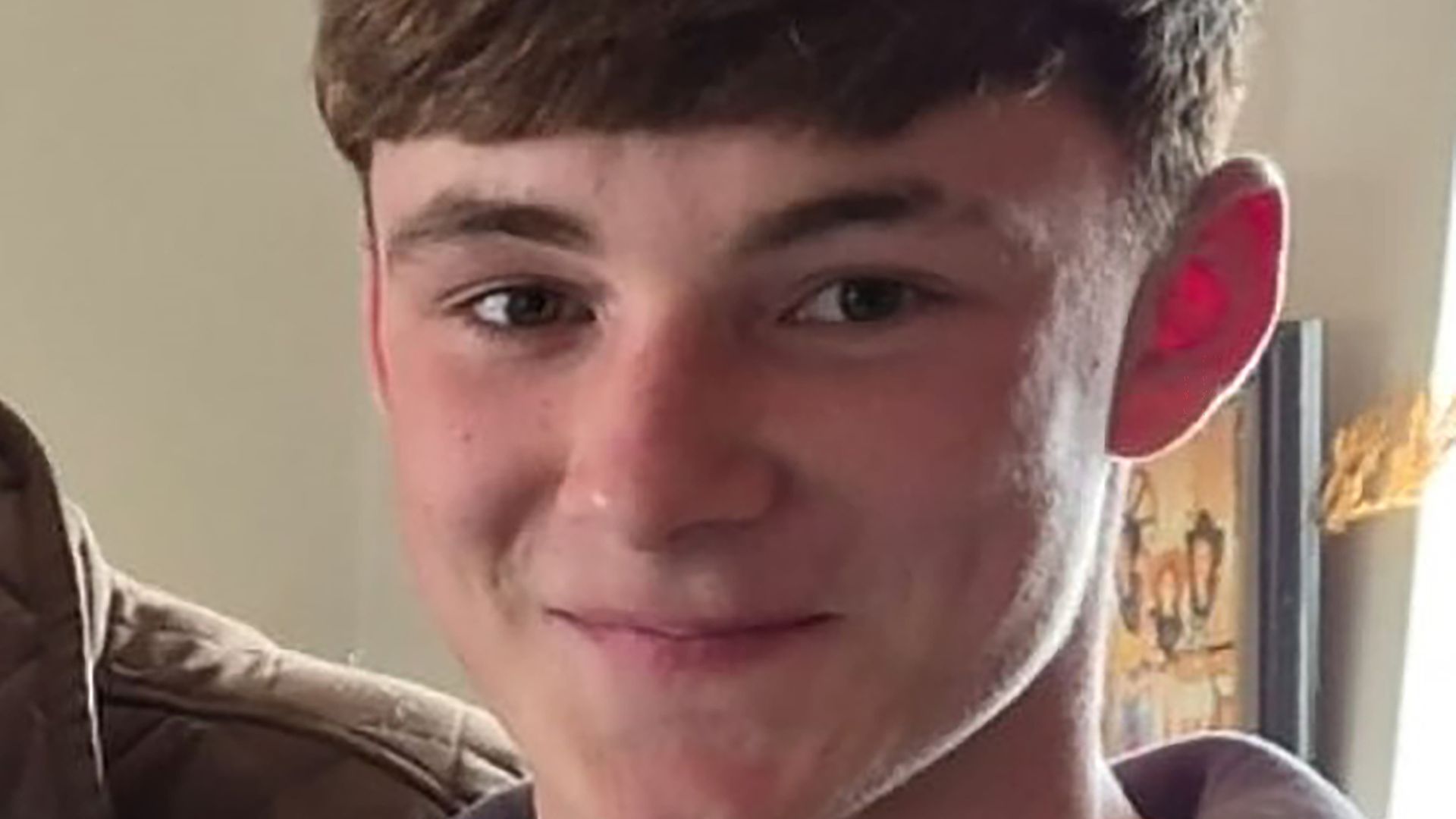
Irish motorsport faces a reckoning that nobody wanted but everyone knew was possible. The tragic death of 15-year-old Tadhg Callaghan Carter during the Donegal International Rally has shattered a community and stopped the country’s biggest rally event dead in its tracks. It's a stark reminder that the boundary between an exhilarating sport and an absolute nightmare is razor-thin.
When a participating car left the tarmac on Saturday afternoon, the consequences were instant and devastating. We aren't just talking about a sporting event cancellation here. We're talking about a family losing a teenage son who went out to enjoy a weekend hobby and never came home. The broader conversation around how spectators are managed at high-speed tarmac rallies cannot be swept under the carpet anymore. Meanwhile, you can explore similar stories here: Why Washington And Brussels Keep Buying Into Transatlantic Betrayal Myths.
A Devastating Loss at Stage 12
The incident occurred during Special Stage 12, known as the Gartan stage, near Trentagh and Kilmacrennan. It was just before 5:00 PM on Saturday when Callum Devine and his co-driver Noel O’Sullivan went off the road in their Škoda Fabia. While the rally crew escaped without physical injuries, their car struck onlookers who were positioned near a left-hand bend.
Emergency services rushed to the scene immediately, but the outcome was grim. Tadhg Callaghan Carter was taken by ambulance to Letterkenny University Hospital, where doctors later pronounced him dead. Two other spectators were treated for non-life-threatening injuries. To see the full picture, we recommend the recent report by The Washington Post.
Tadhg had just finished his Junior Cert examinations at Saint Eunan's College in Letterkenny. He was a popular kid, looking forward to starting his fifth year of school in September. Instead of preparing for the next chapter of his education, his school community is opening its doors on Monday to offer counseling and host a prayer service for grieving classmates. It's a horrific situation that highlights the human cost behind the headlines.
The Reality of Rally Spectating in Ireland
The Donegal International Rally is huge. It draws over 70,000 fans to the roadsides every single summer and brings millions of euros into the local economy. It’s famous for being one of the most grueling, fast, and exciting tarmac events in Europe. Top-tier drivers like five-time World Rally winner Kris Meeke were competing at the front of the field this year.
But rallying is completely unique compared to traditional sports. There are no stadium walls. There are no massive concrete barriers separating the action from the crowd along every single inch of a twenty-kilometer stage. Fans stand on grass banks, behind hedges, and in fields right next to cars flying past at over a hundred miles per hour.
Organizers employ hundreds of volunteer marshals to manage crowd placement, but the sheer scale of the event makes total control nearly impossible. If fans choose to stand on the outside of a high-speed bend or past the designated safety tape, marshals face an uphill battle trying to move them. Experienced rallygoers understand the basic physics of a crash, but casual onlookers often don't realize how quickly a car can plow through a hedge when things go wrong.
What Happened on the Gartan Stage
During any rally, the road conditions change constantly. Dirt and gravel get pulled onto the tarmac by earlier cars, making the surface slick and unpredictable. When a driver enters a corner slightly too hot or clips a patch of loose debris, the car becomes a projectile.
The investigation by An Garda Síochána and Motorsport Ireland will look into the exact specifics of the crash site. They need to determine whether the spectators were standing in a designated "no-go" area or if the car traveled much further off the road than anyone anticipated.
A lot of discussion online among the rally community points to the ongoing challenge of spectator positioning. Many seasoned fans have noted that crowd placement at various stages throughout the weekend looked incredibly sketchy, with groups sitting right in the direct firing line of potential crashes. It's an issue that marshals talk about every year, but it takes a fatal accident to force a serious look at the rules.
The Fight Over Social Media Footage
Within minutes of the crash, graphic video footage and images began making the rounds on WhatsApp groups, TikTok, and X. It’s the dark side of modern sports coverage. Everyone has a smartphone, and the rush to post shocking content often overrides basic human decency.
Both the Gardaí and Motorsport Ireland issued urgent appeals asking people to stop sharing or reposting the footage. It's a matter of basic respect for the Carter family, who are dealing with unthinkable grief. The school, local politicians, and rally officials have all echoed this stance.
The viral nature of these clips also distorts the investigation. Snippets of video don't give the full context of what happened leading up to the accident, and they cause massive distress to the drivers involved, the volunteers on site, and the emergency workers who fought to save lives at the scene.
Immediate Safety Actions for Future Events
Motorsport Ireland cancelled the remainder of the event immediately on Saturday night as a mark of respect. It was the only correct decision. But looking ahead, the sport cannot simply resume business as usual without making drastic changes to how events are run.
If tarmac rallying wants to survive in Ireland, safety protocols must evolve quickly. Organizers need to adopt stricter measures that put safety ahead of spectator entertainment.
- Zero-tolerance zones: If spectators refuse to move from a dangerous location, the stage must be stopped immediately. No exceptions.
- Increased use of tracking tech: Use tracking drones and safety cars equipped with high-definition cameras to scan corners before the competitive field is released.
- More aggressive marshalling training: Give marshals clear authority and backing to shut down spectator areas that don't comply with safety regulations.
- Public education campaigns: Focus heavily on educating younger fans about the dangers of standing on the outside of corners or behind weak barriers like hedges and fences.
The loss of Tadhg Callaghan Carter is an absolute tragedy that will hang over Donegal for a very long time. The local community is in deep mourning, and the sport of rallying has a massive mountain to climb to ensure that a tragedy like this never happens again. Stay off the social media threads sharing the video, respect the family's privacy, and let the investigators do their work.