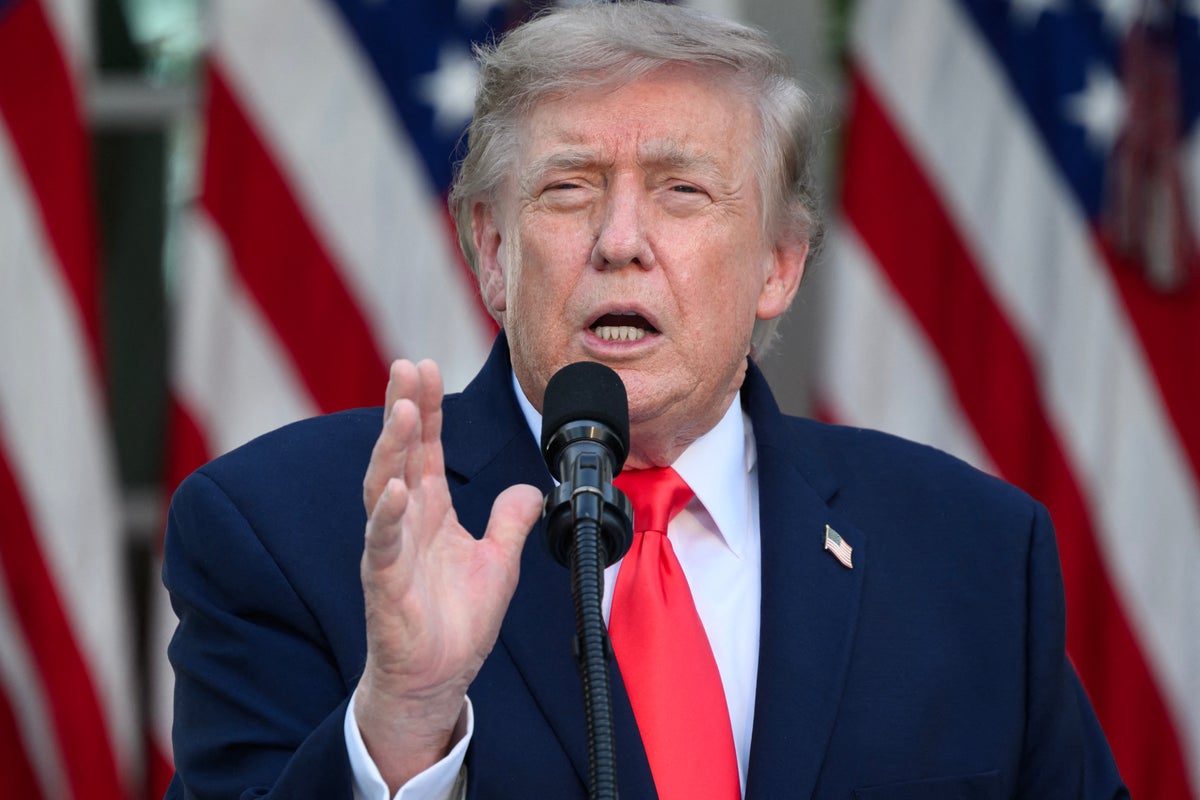
Donald Trump loves big numbers. He loves them even more when they're about him. Recently, the former president turned second-term commander-in-chief started bragging about a massive 65 percent approval rating. It sounds impressive, right? It would be a historic high for him.
There's just one problem. It isn't true. No reputable pollster in the country has his numbers anywhere near that high.
Honestly, it's not even close. When you look at the actual data, his real numbers tell a completely different story. Let's look at what the polls say and why this matters for the country.
The Reality Behind the 65 Percent Claim
If you check the actual tracking polls, you'll find a reality check. In May and June of 2026, major non-partisan tracking polls showed a very different picture. The Quinnipiac University National Poll pinned his overall job approval at 34 percent, with 58 percent of voters actively disapproving.
The numbers are dropping elsewhere too. The PRRI national data shows his favorability hovering between 34 percent and 36 percent. Even his second-term average tracked by Gallup rests right around 41 percent.
So where does 65 percent come from?
It's a classic case of cherry-picking. Trump isn't looking at all voters. He's looking at his core base. If you isolate specific subgroups—like strong Republicans or specific religious demographics—you can find a 65 percent or higher approval mark. For instance, the Quinnipiac data shows that 65 percent of Republicans approve "strongly" of his job performance.
But saying 65 percent of your own party strongly backs you is not the same as saying 65 percent of the entire country approves of you. Mixing up those two metrics is a massive misdirection.
What the Data Actually Tells Us
When you analyze the public opinion data, the real story isn't about massive popularity. It's about a widening divide and significant struggles with moderate voters.
Independent voters are walking away in large numbers. The PRRI data shows that independent favorability has dropped to 25 percent. That's a brutal number for any politician. If you can't hold independents, you can't build a national majority.
Younger voters are completely tuned out. The Spring 2026 Yale Youth Poll revealed that a staggering 72 percent of voters aged 23 to 29 disapprove of Trump's performance. Among the youngest cohort, those aged 18 to 22, disapproval sits at 68 percent.
Economic anxiety is driving the slide. The U.S. is facing high oil prices and international friction, including the deeply unpopular conflict involving Iran. Because of this, only 33 percent of voters approve of Trump's handling of the economy. A whopping 64 percent disapprove. That's an all-time low for his presidency.
Why Public Figures Fabricate Support
Politicians distort polling data for a very specific reason. It creates an illusion of momentum.
In politics, perception often becomes reality. If a leader convinces you that everyone else supports them, you might hesitate to speak out against them. Psychologists call this the bandwagon effect. It's a tool designed to keep restless party members in line and intimidate political opponents.
When a president faces dropping numbers on major issues like inflation or foreign policy, shouting out a fake 65 percent approval rating acts as a shield. It's a way to deflect from tough headlines and shift the conversation back to a narrative of strength.
How to Spot Fake Polling Claims
You don't need a degree in statistics to spot a fake or misleading political claim. You just need to know what questions to ask when a politician throws a massive number at you.
Check the source immediately. Is the number coming from an independent university poll like Quinnipiac, Marquette, or Monmouth? Or is it coming from an internal campaign memo designed to look like public research? Internal polls are notorious for using leading questions to get the exact result the candidate wants.
Look for the sample size and demographic. Always ask who was surveyed. If a poll only questions people who attended a specific rally or registered with one political party, the results won't represent the entire nation. A real national poll must include a balanced mix of Democrats, Republicans, and Independents.
Look at the average. Never trust a single outlier poll. Look at tracking aggregators like FiveThirtyEight or RealClearPolitics. If one poll says 65 percent and ten others say 38 percent, the single high poll is almost certainly wrong or misinterpreted.
Instead of taking a politician's word at face value, go look at the raw data tables yourself. Real pollsters always publish their exact question wording and demographic breakdowns online for anyone to see. Turn off the cable news commentary, find the original source document, and read the actual percentages yourself. Real power comes from knowing the real facts.