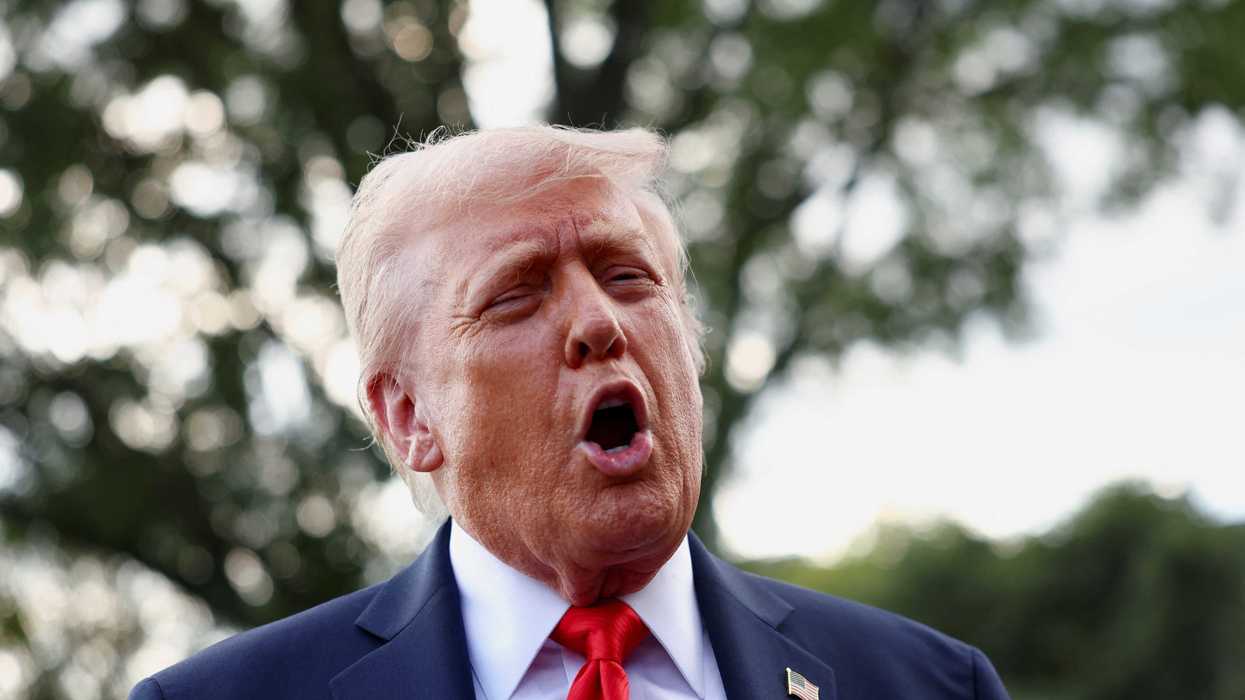
Donald Trump wants a win, and he is willing to hit Iran until it breaks.
If you have been watching the headlines lately, you know the regional conflict is spinning out of control again. Trump recently signaled that Washington is weighing heavy new military strikes against Iranian targets. The core issue isn't just a vague geopolitical disagreement. It is about a vital economic choke point: the Strait of Hormuz. You might also find this similar story insightful: Stop Pretending The Ceuta Border Crisis Is Just About Migration.
The White House is furious that a memorandum of understanding signed last month collapsed almost immediately. Tehran broke the truce, attacked commercial vessels, and American service members lost their lives. Trump made his stance clear during a cabinet meeting at Camp David. He stated that the United States will keep hitting Iran hard until they are forced to negotiate on American terms.
The Battle for the Strait of Hormuz
You cannot talk about this conflict without looking at the map. The Strait of Hormuz is the literal jugular vein of global energy shipments. When traffic stops there, global oil markets panic. As reported in detailed reports by NPR, the effects are notable.
Right now, traffic through the strait is barely moving. Iran's Revolutionary Guard has targeted multiple oil tankers, forcing other commercial vessels to turn around or risk getting hit. In response, the U.S. strategy has shifted past naval blockades into heavy infrastructure attacks. Washington has targeted bridges, communication lines, and transit routes around strategic ports like Bandar Abbas to choke off the regime's military logistics.
The administration calls it economic pressure. Critics and legal scholars call it a dangerous escalation that tests the boundaries of international humanitarian law by targeting dual-use infrastructure. But the White House is not backing down. Press Secretary Karoline Leavitt put it bluntly: Trump will not tolerate attacks on American personnel or international shipping lanes.
Spillover Across the Region
The war is no longer contained to a single border. It is bleeding into neighboring countries at an alarming rate.
Kuwait recently intercepted multiple drone attacks targeting vital facilities, including government structures in the northern part of the country. Meanwhile, joint U.S. and Saudi airstrikes in Iraq have targeted Iran-backed militia groups following persistent drone assaults on Gulf state positions. Jordan has also reported intercepting stray missiles, and shipping incidents have popped up as far away as the coast of Oman.
Iran’s leadership is feeling the squeeze. President Masoud Pezeshkian has admitted that the national economy is the primary battlefield in this war. Essential goods, fuel, and medical supplies are becoming harder to move as infrastructure crumbles under nightly airstrikes. Yet, instead of forcing Tehran to capitulate immediately, the intense economic pain risks plunging millions deeper into poverty without delivering a quick diplomatic breakthrough.
Shifting Dynamics in Gaza
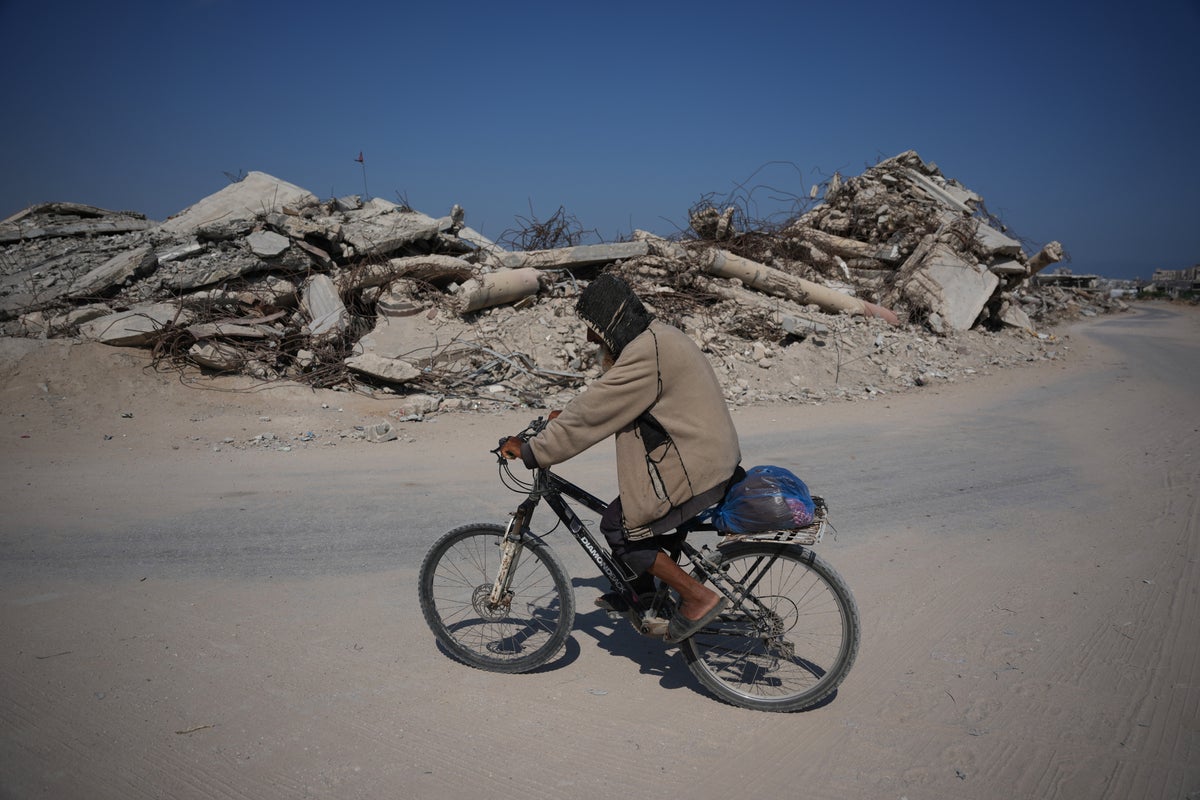
While the conflict with Iran escalates, the separate war in Gaza is seeing strange, fragile twists.
Hamas recently announced it would agree to disarm as part of a potential breakthrough tied to the broader U.S.-brokered ceasefire plan introduced late last year. This move is supposed to pave the way for an independent Palestinian administration and an eventual Israeli withdrawal.
Unsurprisingly, Israeli politics are deeply fractured over the proposal. Prime Minister Benjamin Netanyahu’s government faces fierce pushback from hardliners inside the coalition. Far-right figures like lawmaker Itamar Ben-Gvir have publicly denounced the arrangement, demanding that military operations continue until total victory is achieved. Heavy Israeli airstrikes across central and northern Gaza have continued despite the diplomatic maneuvering, leaving local health officials scrambling to treat mounting casualties.
What Comes Next
Domestic pressure in the United States is also mounting. Public polls show that a solid majority of Americans view the current trajectory of the Iran conflict as a mistake. Legislative efforts in Washington to curb presidential war powers continue to fail by razor-thin margins, keeping unchecked authority firmly in the hands of the executive branch.
If Tehran refuses to reopen the Strait of Hormuz unconditionally, expect the White House to make good on its threats to expand the bombing campaign to core power generation and electrical grids. The window for diplomacy is closing fast. Keep a close eye on shipping insurance rates and oil futures on Monday morning, because those markets will tell you whether a wider war is about to begin.