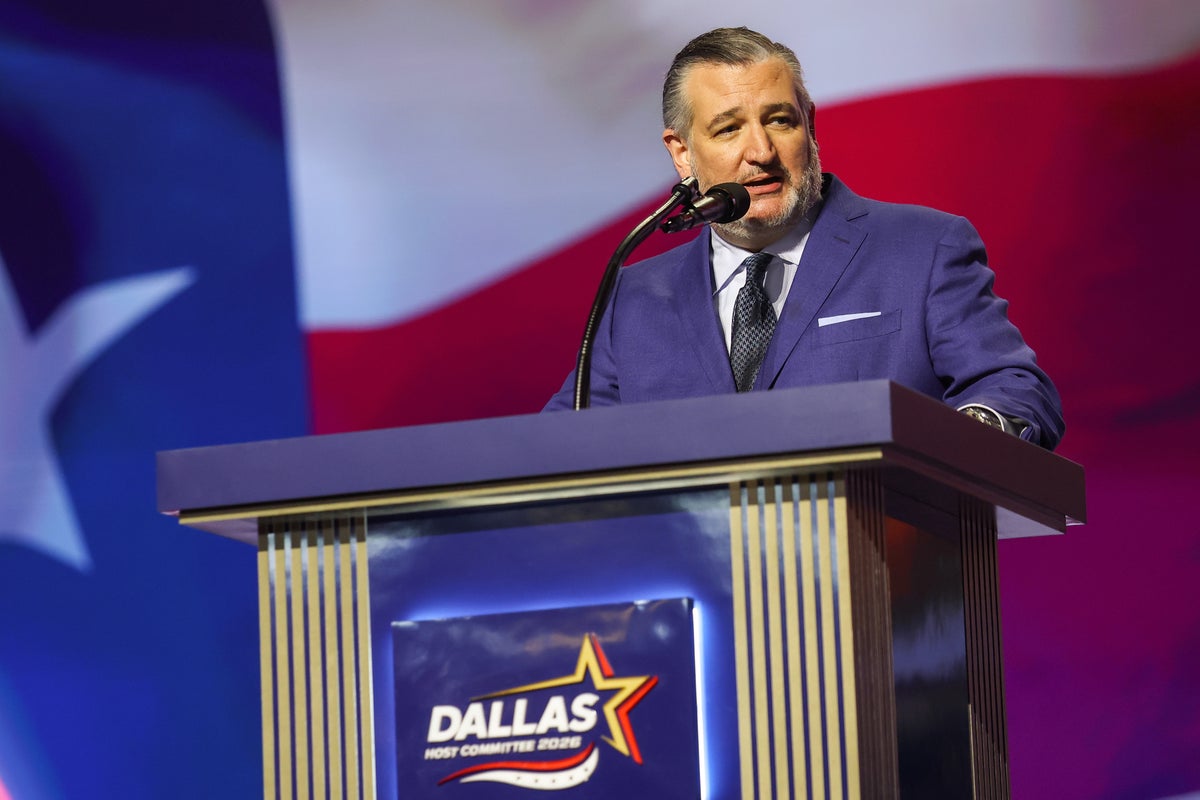
When politicians talk about tax policy, numbers usually bend. Donald Trump took that political tradition to a new level at the Republican midterm convention in Dallas, telling a roaring crowd that his administration delivered the single largest tax cut in American history.
It sounds great on a campaign stage. But when nonpartisan financial analysts check the math against the actual size of the U.S. economy, the claim simply doesn't hold up.
Let's look at what the data actually says about recent tax legislation, how it stacks up historically, and why these grand claims matter right now as voters head toward the midterm elections.
The Reality Behind the Tax Claims
During his marathon speech at the American Airlines Center, Trump pointed to the major legislative package signed into law—frequently dubbed the One Big Beautiful Bill Act—as the anchor of his economic success. He framed it as a historic win for working families, pointing to popular provisions like tax breaks for tip earners and overtime workers.
Yet, the label of "largest tax cut in American history" belongs to a different category entirely when economists run the calculations. According to independent reviews by organizations like the Tax Foundation, when you measure tax cuts as a share of the gross domestic product to account for inflation and economic growth over the decades, the 2025 legislative package ranks closer to sixth place since 1940.
The 1981 Reagan tax cuts and even the landmark 2017 Tax Cuts and Jobs Act carried much larger revenue impacts relative to the overall size of the economy at the time.
Why do politicians keep inflating these figures? Simple optics. Midterm elections are coming fast, and both parties are fighting tooth and nail over cost-of-living concerns. When everyday Americans feel squeezed by inflation, telling them you handed out the biggest tax relief ever recorded packs an undeniable punch.
The Political Stakes of the 2026 Midterm Convention
The Dallas gathering wasn't a standard political convention. It was an unprecedented midterm experiment designed to put Trump front and center even though his name isn't on the ballot. With Republicans staring down tough headwinds and fighting to hold their narrow majority in the House of Representatives, party leadership needed a high-energy distraction from low approval ratings and ongoing debates over foreign policy.
To juice turnout, Trump went a step further than tax cuts. He dropped a massive policy proposal that caught even friendly lawmakers off guard: a promised $5,000 "dividend" check for every adult American citizen, funded entirely by global tariffs, provided that Republicans retain control of both the House and the Senate in November.
Economists immediately pointed out the massive logistical and fiscal hurdles of that pledge. A payout to every adult citizen would cost well over $1 trillion. Current tariff revenues, while higher due to aggressive trade policies, fall wildly short of generating enough surplus cash to cover a trillion-dollar price tag without blowing a massive hole in the federal deficit.
Yet, feasibility rarely stops a good campaign pitch. The goal wasn't a balanced budget; the goal was shifting the narrative away from inflation and onto direct cash.
How Voters Experience the Economic Battleground
If you live in a battleground district right now, you're caught in the crossfire of two entirely different economic stories.
On one side, Republicans argue that their tax measures protect workers from overreach, pointing to popular ideas like eliminating taxes on tips and expanding child investment accounts. They warn that a Democratic victory means higher corporate levies, heavier burdens on middle-class families, and the rollback of hard-won relief.
On the other side, Democrats counter that these tax packages heavily favor corporations and high-earning households while driving up everyday costs through broad import tariffs. They argue that trickle-down promises leave everyday consumers paying more at the grocery store and the gas pump, regardless of what happens to their income tax withholding.
The truth on the ground is messy. Families care less about whether a tax cut is historically the biggest or the sixth-biggest, and more about whether their paycheck actually stretches through the end of the month.
Look past the rhetoric coming out of Dallas this week. Pay attention to how policy changes affect your actual take-home pay versus your routine expenses. Don't wait for politicians to deliver a trillion-dollar windfall. Focus on managing your personal budget with the reality of today's economy squarely in view.