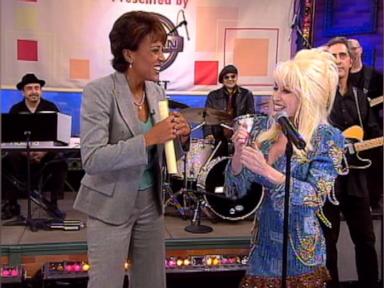
Most people forget that Dolly Parton's iconic anthem "9 to 5" started as a literal percussion instrument made of acrylic fingernails. When Jane Fonda recruited her for the 1980 workplace comedy, Parton agreed on one strict condition. She demanded to write the movie's theme song. She didn't just deliver a catchy tune. She created an enduring working-class rallying cry that still rings painfully true today.
The Nail-Clacking Rhythm That Built a Hit
Writing a song about corporate drudgery while sitting on a Hollywood movie set requires some imagination. Parton didn't have a guitar handy during downtime between takes with co-stars Jane Fonda and Lily Tomlin. Instead, she used what she had. She clicked her long acrylic nails together to mimic the mechanical clack of a typewriter.
That rhythm became the unmistakable backbone of the track. When recording time came around, she actually played her own nails as part of the studio percussion. The official credit on the record even reads "Nails by Dolly".
You won't find many pop tracks built on fingernail percussion. It's a brilliant detail that shows her raw, practical approach to songwriting. She didn't wait for a fancy studio setup. She found a beat right on her own hands and turned it into gold.
More Than Just a Catchy Movie Theme
The song became a massive crossover smash, hitting number one on the Billboard Hot 100 in February 1981. But reducing it to a chart-topping novelty misses the point entirely. The lyrics hit hard because they reflected real economic frustration. Lines about getting security guards instead of respect and giving your mind away without getting credit captured the bleak reality of office life.
The film and the song drew inspiration from an actual women's activist organization called 9to5, founded in 1973 to fight against rampant gender discrimination and unequal pay. Parton took those heavy grievances and wrapped them in an upbeat, infectious melody. That choice was strategic. By making the medicine go down with a spoonful of sugar, she managed to smuggle a radical labor message straight into mainstream living rooms.
Why the Message Refuses to Die
Decades later, people still blast the track when they feel exploited at work. The corporate ladder hasn't gotten any easier to climb. Stagnant wages, long hours, and office politics make the opening line about pouring a cup of ambition deeply relatable.
Artists love to cover it, politicians reference it, and modern workers keep streaming it by the millions. Parton proved that commercial appeal and sharp social commentary can live in the exact same song. She took corporate exploitation and turned it into karaoke gold.
Put the track on next time your boss emails you after hours. You will understand exactly why those acrylic nails made history.