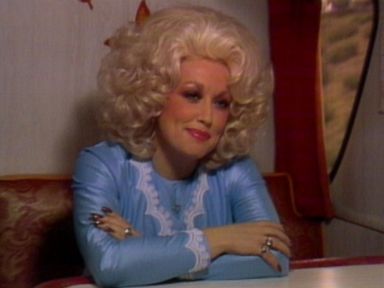
Most people look at 1977 as just another year in music history. They miss the sheer chaos and brilliance of what Dolly Parton was pulling off behind the scenes.
If you trace her steps back to that specific year, you find an artist actively breaking her own mold. She wasn't just riding a wave. She was creating the current. Meanwhile, you can find related stories here: Why Dolly Parton Was So Much More Than Country Music Royalty.
The Crossroads of Pop and Country
By 1977, Dolly had already outgrown the traditional Nashville machine. She split from Porter Wagoner a few years prior, a notoriously messy professional divorce that required immense grit to survive. People forget how risky that move was. She walked away from a guaranteed television audience every single week to bet entirely on her own solo career.
And boy, did she hustle. To understand the full picture, we recommend the detailed article by The New York Times.
In 1977, she dropped New Harvest... First Gathering. It was her first self-produced album. Critics didn't quite know what to do with it because it leaned hard into pop and R&B elements. She wanted crossover success on her own terms. She didn't want to dilute her Appalachian roots; she wanted to expand them.
- The business mindset: Dolly understood ownership and branding long before corporate consultants made those buzzwords annoying.
- The touring grind: She spent months living out of suitcases, buses, and backstage dressing rooms, meeting fans eye-to-eye.
What Interviewers Got Wrong Back Then
Archival footage from that era, including famous television sit-downs like her broadcast chats with Barbara Walters, often fixated on her appearance. Journalists constantly poked at her wigs, makeup, and outgoing personality. They treated her like a cartoon character.
Dolly let them do it. That was part of her armor.
While interviewers chuckled at her self-deprecating jokes about looking like the town local beauty shop, she was quietly securing publishing rights and writing timeless anthems. She admitted in late 1977 interviews that staying home for more than two weeks straight drove her entirely restless and bored. She craved the road because the road was where she connected with the working-class audience that built her.
Lessons From the 1977 Playbook
You can learn a lot from how Dolly handled her career pivot during this timeline. She didn't ask for permission. She didn't wait for industry gatekeepers to validate her pop ambitions.
If you are trying to build something of your own today, take notes from her 1977 blueprint:
- Own your image: Let people underestimate you while you handle the business details.
- Never stay comfortable: If a partnership or a creative lane stops serving your growth, walk away. Even if it scares you.
- Target real people: Ignore the critics in high-rise offices and focus entirely on the people actually buying your work.
Dolly's 1977 wasn't a fluke. It was a masterclass in reinvention. Stop waiting for the right moment and start building your own transition right now.
On the road with Dolly Parton in 1977
This archival feature captures rare insights into Dolly Parton's relentless touring lifestyle and mindset during her pivotal 1977 career shift.