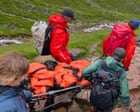
You take your dog to the mountains to escape the garbage of city life. You expect clean air, tough climbs, and pristine trails. What you don't expect is a medical emergency triggered by human trash left behind in the wilderness.
That is exactly what happened to Christina Bluhme, a professional dog trainer from Surrey, while hiking up Ben Nevis. Halfway up the 4,413-foot peak, her usually fit and active 25kg black Labrador, Tokyo, suddenly collapsed. The dog lost the use of her legs and began drifting in and out of consciousness.
The culprit? Discarded cannabis left on the trail.
This incident ended well because 14 volunteer rescuers from the Lochaber Mountain Rescue Team carried Tokyo down the mountain on a stretcher to Crown Vets in Fort William, where she made a full recovery. But it highlights a growing danger that most pet owners ignore until it's too late.
The Canine Chemistry Problem
Many people assume cannabis is harmless to pets because humans use it safely. That's a massive mistake.
Dogs have a significantly higher concentration of cannabinoid receptors in their brains than humans do. This makes them incredibly sensitive to THC (tetrahydrocannabinol), the psychoactive compound in cannabis. What gives a human a mild buzz can completely overwhelm a dog’s neurological system.
When a dog eats cannabis, the clinical signs usually show up within 30 to 90 minutes. You'll notice a distinct set of symptoms that look like a severe neurological breakdown:
- Loss of balance and ataxia: The dog staggers around like they're drunk or completely loses the ability to stand.
- Urinary incontinence: Dribbling urine uncontrollably is a classic, highly specific sign of THC toxicity in canines.
- Lethargy and bradycardia: Glassy eyes, dilated pupils, a dangerously slow heart rate, and slipping into semi-consciousness.
Why Trails are Becoming Toxic
You might wonder how a dog ends up eating cannabis in the middle of a national park. Edibles, discarded joints, and even human waste containing metabolized THC are common culprits on popular hiking routes.
As foot traffic increases on peaks like Ben Nevis, Scafell Pike, and Snowdon, so does the amount of litter. Labradors and other food-motivated working breeds are natural scavengers. They will snap up anything that smells interesting long before you notice it on the ground.
In remote locations, this creates a logistics nightmare. If your dog collapses hours away from the nearest road, you can't simply pick up a 25kg or 35kg animal and run down a steep, rocky scree slope. You are entirely dependent on volunteer mountain rescue teams who are already stretched thin managing human injuries.
Immediate Steps to Take if Your Dog Eats Something on a Trail
If you suspect your dog has ingested a toxic substance while hiking, you need to act immediately. Do not wait for symptoms to worsen.
1. Check the mouth and secure evidence
If you catch them in the act, safely remove any remaining material from their mouth. Take a photo of the substance or wrap it in a tissue if possible. This helps vets identify the toxin instantly without waiting for blood tests.
2. Monitor vital signs
Keep a close eye on their breathing rate and responsiveness. Keep them warm. THC toxicity can cause hypothermia in dogs, and sitting on a cold mountain trail will accelerate their temperature drop.
3. Contact help early
If your dog cannot walk, calculate your position using an app like What3Words. Call emergency services before you lose mobile signal. If you're in the UK mountains, ask for the police, who will then coordinate with local Mountain Rescue teams.
4. Head to the nearest emergency vet
Do not head home. Find the closest veterinary clinic to the base of the trail. In the case of Ben Nevis hikes, local clinics like Crown Vets are equipped to handle these exact emergencies with fluid therapy and supportive care.
Protect Your Pet on Future Hikes
You shouldn't stop taking your dog to the mountains, but you do need to change how you manage them on popular routes.
First, master the "leave it" command. A rock-solid refusal cue can save your dog's life when they spot discarded food or trash. If your dog is an obsessive scavenger, use a lightweight basket muzzle during the busier lower sections of the trail where litter accumulates.
Second, always pack an emergency canine rescue sling or a harness designed for carrying large dogs. Relying on mountain rescue volunteers should be your absolute last resort. Being self-sufficient ensures that both you and your dog get off the peak safely.